Why Some Tumors Become Resistant to Treatment
Cancer treatment has advanced significantly over the past few decades. Modern therapies such as chemotherapy, radiation therapy, targeted drugs, and immunotherapy have helped millions of patients fight cancer and improve survival rates. However, one of the most challenging problems in oncology is treatment resistance. In many cases, tumors that initially respond well to therapy later stop responding, allowing the disease to progress again. Understanding why some tumors become resistant to treatment is an important step toward improving cancer care and developing more effective therapies.
Tumor resistance occurs when cancer cells adapt in ways that allow them to survive despite the presence of treatment designed to destroy them. Cancer is not a single uniform disease but a complex collection of abnormal cells that evolve over time. As tumors grow and divide, they accumulate genetic mutations that may change how the cells behave. Some of these mutations may help the cancer cells avoid the effects of therapy, making treatment less effective.
One of the key reasons tumors develop resistance is genetic diversity within the tumor itself. A tumor often contains millions or billions of cells, and not all of them are identical. Some cells may carry mutations that make them naturally more resistant to certain drugs. When treatment begins, the sensitive cancer cells are destroyed first, while the resistant ones survive. These surviving cells then continue to grow and eventually dominate the tumor population.
Another important factor is the ability of cancer cells to repair damage caused by treatment. Many cancer therapies work by damaging the DNA of cancer cells, which prevents them from dividing and eventually causes them to die. However, some cancer cells develop stronger DNA repair mechanisms. These cells can quickly fix the damage caused by therapy, allowing them to survive and continue multiplying.
Tumors can also become resistant by changing the way drugs enter or exit the cells.
Certain cancer cells develop proteins that act like pumps, actively pushing chemotherapy drugs out of the cell before they can cause damage. This mechanism reduces the concentration of the drug inside the cell, making the treatment less effective.
In addition, cancer cells may alter the molecular targets that drugs are designed to attack. Many modern cancer treatments are designed to target specific proteins or signaling pathways that help cancer cells grow. If the cancer cells mutate or modify these targets, the drug may no longer recognize them effectively. As a result, the therapy loses its ability to stop tumor growth.
Several biological and environmental mechanisms contribute to the development of treatment resistance in tumors:
Genetic mutations that allow cancer cells to survive therapy.
Natural diversity among tumor cells, leading to survival of resistant cells.
Enhanced DNA repair mechanisms that fix treatment-induced damage.
Drug efflux pumps that remove chemotherapy drugs from cancer cells.
Changes in molecular targets that reduce the effectiveness of targeted therapies.
Protective tumor microenvironments that shield cancer cells from drugs.
The tumor microenvironment also plays a significant role in treatment resistance. Cancer cells do not exist alone; they interact with surrounding tissues, blood vessels, immune cells, and structural components of the body. This environment can sometimes protect cancer cells from treatment. For example, certain surrounding cells may release chemical signals that help tumors survive stressful conditions, including exposure to drugs or radiation.
Poor blood supply within parts of a tumor can also contribute to resistance. Some tumors develop regions with limited oxygen and reduced blood flow. These conditions may prevent drugs from reaching all areas of the tumor. As a result, some cancer cells receive lower doses of treatment, allowing them to survive and continue growing.
Another important mechanism behind treatment resistance is the presence of cancer stem cells. These are a small population of cells within the tumor that have the ability to self-renew and generate new cancer cells. Cancer stem cells are often more resistant to treatments than ordinary tumor cells. Even if most of the tumor is destroyed, these cells can survive and regenerate the cancer later.
Treatment resistance may also develop over time due to continuous exposure to therapy. Similar to how bacteria can develop resistance to antibiotics, cancer cells may gradually adapt to drugs that were initially effective. This process can occur through multiple genetic changes that help the cells avoid or tolerate the treatment.
Researchers have also discovered that cancer cells can sometimes enter a temporary dormant state during treatment. In this state, the cells stop dividing and become less active. Because many cancer treatments target rapidly dividing cells, dormant cells may escape the effects of therapy. Later, when treatment ends or conditions change, these cells can become active again and cause the tumor to regrow.
Despite the challenges of treatment resistance, scientists are developing new strategies to overcome this problem. One approach is combination therapy, which involves using multiple drugs at the same time. By attacking cancer cells through different mechanisms, combination treatments reduce the chances that cancer cells will survive and develop resistance.
Another strategy is personalized medicine. Advances in genetic testing allow doctors to analyze the specific mutations present in a patient’s tumor. This information helps select treatments that are most likely to be effective against that particular cancer type. By targeting the tumor’s unique genetic profile, doctors can sometimes prevent or delay the development of resistance.
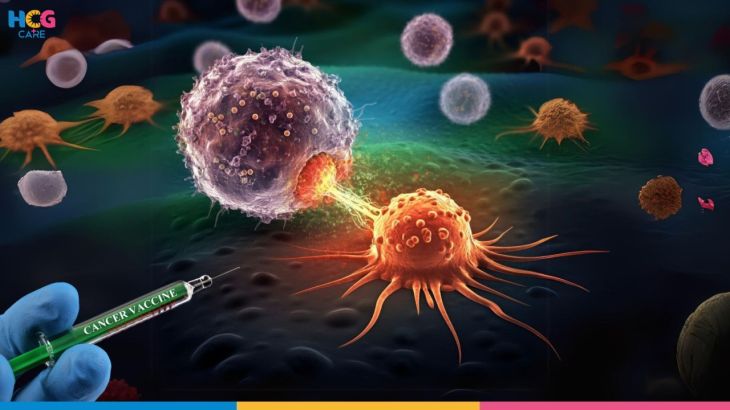
Immunotherapy is also showing promise in overcoming resistance. Instead of directly attacking cancer cells, immunotherapy strengthens the body’s immune system so it can recognize and destroy tumor cells. Because the immune system can adapt and respond to changes in cancer cells, it may be better equipped to deal with evolving tumors.
Continuous monitoring of tumors during treatment is another important approach. Modern diagnostic techniques can track genetic changes in cancer cells over time. By identifying resistance mutations early, doctors can modify treatment plans before the disease progresses further.
In conclusion, tumor resistance to treatment is a major challenge in cancer therapy. It occurs because cancer cells are highly adaptable and capable of evolving through genetic mutations and environmental influences. Factors such as tumor diversity, enhanced DNA repair, drug resistance mechanisms, and protective microenvironments all contribute to the survival of cancer cells despite treatment. Understanding these processes helps researchers design better therapies and improve treatment strategies. As scientific knowledge continues to grow, new approaches are being developed to overcome resistance and improve the long-term success of cancer treatment.