Why Some People get Cancer at a very Early Stage
Cancer is often associated with aging. As the body grows older, cells accumulate genetic damage over time, which increases the likelihood of abnormal growth. However, cancer does not exclusively affect older adults. In some cases, children, teenagers, and young adults are diagnosed with cancer at surprisingly early ages. This reality raises important questions: Why does cancer sometimes develop so early in life? What biological and environmental factors contribute to early-onset cancer?
At its core, cancer begins with mutations in DNA—the genetic instructions that control how cells grow, divide, and repair themselves. While aging increases the number of mutations a person accumulates, certain conditions can accelerate this process or create vulnerability much earlier.
One major reason for early-onset cancer is inherited genetic mutations. Some individuals are born with changes in genes that normally protect against cancer. These genes may be responsible for repairing DNA damage, regulating cell division, or triggering cell death when abnormalities occur. If a child inherits a faulty copy of such a gene, their cells may have less protection from birth. As a result, fewer additional mutations are needed for cancer to develop, leading to diagnosis at a younger age.
Family history often provides clues. When multiple close relatives develop similar types of cancer, especially at young ages, doctors may suspect hereditary cancer syndromes. Genetic testing can help identify individuals at higher risk and guide early screening or preventive measures.
Another important factor is rare genetic conditions present from childhood. Certain inherited disorders affect DNA repair systems or immune function, making it easier for abnormal cells to survive and multiply. In these cases, cancer may appear in infancy or early childhood, even without environmental triggers.
Beyond inherited risk, random genetic errors during rapid cell growth in childhood can also contribute. Children’s bodies grow quickly, meaning their cells divide frequently. Each time a cell divides, its DNA must be copied. Although the body has repair mechanisms, mistakes sometimes occur. In rare instances, these errors affect critical genes controlling growth, leading to cancers such as leukemia or certain brain tumors.
Environmental exposures, though often associated with adult cancers, can also influence early-onset cases. Exposure to radiation, harmful chemicals, or certain infections may damage DNA at a young age. For example, children exposed to high levels of radiation, whether from medical treatments or environmental disasters, have an increased risk of developing cancer later.
Several key factors that may contribute to cancer at a very early age include:
Inherited gene mutations that reduce natural cancer protection.
Family history of early-onset cancers, suggesting hereditary syndromes.
Genetic disorders affecting DNA repair or immune function.
Rapid cell division during growth, increasing the chance of random errors.
Environmental exposures such as radiation or harmful chemicals.
Certain viral infections that may trigger abnormal cell growth.
Immune system function also plays a crucial role. The immune system constantly monitors the body for abnormal cells and eliminates them. In young individuals with weakened immune systems—due to genetic conditions or medical treatments—the body may struggle to destroy emerging cancer cells. This reduced surveillance can allow tumors to develop earlier.
Lifestyle factors, although more commonly linked to adult cancers, are increasingly being studied in relation to young adults. Rising rates of obesity, sedentary habits, and poor dietary patterns have been associated with certain early-onset cancers, such as colorectal cancer. Chronic inflammation related to unhealthy lifestyles may create a biological environment that promotes abnormal cell growth even before middle age.
Hormonal influences may also contribute. Some cancers that appear in adolescence or young adulthood are influenced by hormonal changes during puberty. Rapid shifts in hormone levels can stimulate cell growth in certain tissues, and if genetic vulnerabilities exist, abnormal growth may occur.
Importantly, early-onset cancer is not always preventable. In many childhood cancers, no clear environmental or lifestyle cause is identified. These cancers are often believed to result from spontaneous genetic mutations that occur by chance. This unpredictability can be emotionally difficult for families seeking answers.
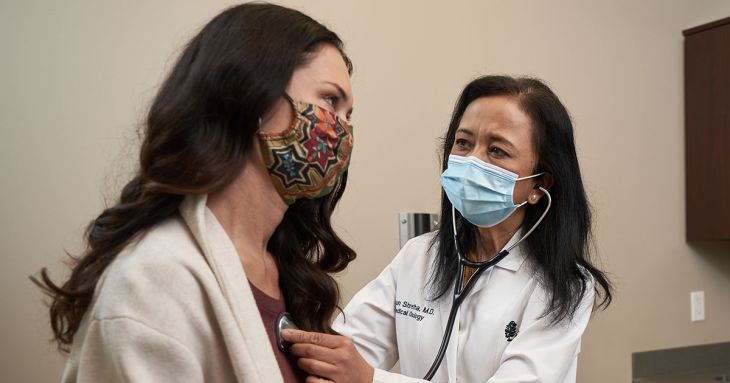
Diagnosis at a young age presents unique challenges. Symptoms in children may be subtle or mistaken for common illnesses, leading to delays in detection. Parents and healthcare providers must remain attentive to persistent warning signs such as unexplained fatigue, prolonged fever, unusual lumps, persistent pain, or unexplained weight loss.
While early-age cancer can be devastating, survival rates for many childhood cancers have improved significantly due to advances in treatment. Pediatric oncology has developed specialized therapies tailored to the biology of childhood tumors. Early diagnosis and prompt treatment play critical roles in improving outcomes.
The emotional and psychological impact of early-onset cancer is profound. Young patients may struggle with disruptions to education, social development, and normal childhood experiences. Families often face emotional stress, financial strain, and uncertainty about the future. Comprehensive care therefore includes not only medical treatment but also psychological and social support.
Research into early-onset cancers continues to evolve. Scientists are studying genetic patterns, environmental triggers, and molecular pathways to better understand why certain individuals develop cancer so young. Advances in genomic testing now allow doctors to analyze tumors more precisely, guiding personalized treatment plans and identifying inherited risks.
In conclusion, while cancer is more common in older adults, it can develop at a very early age due to a combination of inherited genetic mutations, rare disorders, rapid cell division, environmental exposures, immune system factors, and sometimes random cellular errors. In many cases, it is not the result of anything the individual or family did wrong. Greater awareness, genetic counseling, early screening in high-risk families, and continued medical research are essential for addressing early-onset cancer. Understanding these factors not only supports affected families but also advances efforts toward prevention, early detection, and more effective treatments for young patients.