Comparison of Nutritional Roles of Turmeric and Vitamin B12
Nutrition includes a wide range of foods, herbs, and micronutrients that support human health in different ways. Some nourish the body through vitamins and minerals, while others offer protective compounds that help reduce stress and inflammation. Two widely discussed examples are turmeric and Vitamin B12. Although they are often mentioned in health conversations, they are very different in nature, function, and nutritional value. Turmeric is a spice obtained from the root of a plant, while Vitamin B12 is an essential vitamin required for several life-sustaining processes. Comparing their nutritional roles helps us understand how each contributes to wellness and why they should not be seen as substitutes for one another.
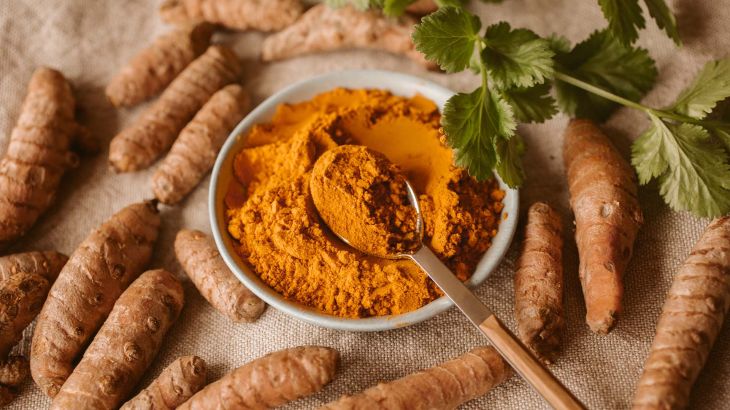
Turmeric has been used for centuries in cooking and traditional healing systems, especially in South Asia. It is known for its bright yellow color and earthy flavor. Its most studied natural compound is curcumin, which gives turmeric many of its beneficial properties. Vitamin B12, on the other hand, is a water-soluble vitamin naturally found in animal-based foods and fortified products. It is needed in small amounts, but its impact on the body is enormous. While turmeric is valued mainly for its protective and supportive effects, Vitamin B12 is directly involved in essential metabolic and cellular functions.
Basic Nutritional Nature
The first difference between turmeric and Vitamin B12 lies in what they are. Turmeric is a plant-based spice containing bioactive compounds, fiber, and small amounts of minerals. It is usually consumed as part of meals or beverages. Vitamin B12 is a specific micronutrient that the body cannot produce on its own, meaning it must come from food or supplements.
Turmeric can add nutritional value to a diet, but it is not classified as an essential vitamin. A person can survive without turmeric if other healthy foods are consumed. In contrast, long-term absence of Vitamin B12 can lead to serious health problems, making it nutritionally essential.
Main Role of Turmeric in Health
Turmeric is best known for its antioxidant and anti-inflammatory properties. Modern lifestyles often expose the body to oxidative stress caused by pollution, poor diet, stress, and illness. Antioxidants help neutralize harmful free radicals, and turmeric contributes in this area through curcumin and related compounds.
Its key nutritional and wellness roles include:
-
Supporting the body’s natural defense system
-
Helping manage inflammation
-
Providing antioxidant protection
-
Supporting digestion in traditional diets
-
Enhancing flavor without adding sugar or unhealthy fats
-
Contributing plant compounds linked with wellness
Turmeric is often included in balanced diets because it can support overall health rather than correct a specific nutrient deficiency.
Main Role of Vitamin B12 in Health
Vitamin B12 performs direct biological functions that are necessary for survival. It helps the body make red blood cells, maintain nerve function, support energy metabolism, and assist in DNA synthesis. Without enough Vitamin B12, the body cannot efficiently produce healthy cells or maintain proper nervous system activity.
Its major nutritional functions include:
-
Formation of healthy red blood cells
-
Support for DNA production
-
Maintenance of nerve health
-
Assistance in energy release from food
-
Support for brain and memory function
-
Healthy cell division and tissue renewal
Unlike turmeric, Vitamin B12 is not optional. Even though the daily requirement is small, regular intake is necessary.
Impact on Energy Levels
Many people associate both turmeric and Vitamin B12 with improved energy, but they work in different ways. Vitamin B12 directly supports the processes that convert food into usable energy and prevents anemia, a common cause of tiredness. If someone is deficient in Vitamin B12, correcting the deficiency may greatly improve energy and stamina.
Turmeric does not directly produce energy. However, by helping reduce inflammation and supporting general wellness, some individuals may feel more active when it is part of a healthy lifestyle. Its effect is more indirect and supportive rather than essential.
Role in Brain and Nervous System
Vitamin B12 plays a major role in maintaining the nervous system. It helps preserve the protective covering around nerves and supports communication between brain and body. Deficiency can lead to numbness, memory issues, mood changes, and difficulty concentrating.
Turmeric has also been studied for potential brain-supportive properties because of its antioxidant compounds. Some research suggests curcumin may support cognitive health, but it does not replace the direct neurological role of Vitamin B12. In simple terms, turmeric may support brain wellness, while Vitamin B12 is required for normal nerve function.
Sources and Availability
Turmeric is widely available as a kitchen spice, powder, fresh root, tea ingredient, or supplement. It can be added to curries, soups, rice dishes, milk drinks, and smoothies. Since it is plant-based, it is suitable for most dietary patterns.
Vitamin B12 is naturally found in:
-
Meat
-
Fish
-
Eggs
-
Dairy products
-
Fortified cereals
-
Fortified plant-based beverages
-
Supplements
People following vegan or vegetarian diets often need fortified foods or supplements to meet their needs.
Deficiency vs Optional Use
Another important comparison is the consequence of not consuming them. A person who does not eat turmeric may still remain healthy if the overall diet is balanced. Turmeric is beneficial, but it is not required in the same way as vitamins.
Vitamin B12 deficiency, however, can cause serious problems such as:
-
Megaloblastic anemia
-
Fatigue and weakness
-
Nerve damage
-
Poor memory
-
Tingling in hands and feet
-
Mood disturbances
-
Reduced concentration
This shows that Vitamin B12 has a more critical nutritional status in the human body.
Can They Be Used Together?
Yes, turmeric and Vitamin B12 can both be part of a healthy diet because they serve different purposes. Turmeric adds protective plant compounds and flavor, while Vitamin B12 ensures essential internal processes continue normally. For example, a meal containing yogurt, eggs, or fortified foods can provide Vitamin B12, while turmeric can be used as a spice in the same meal.
Rather than choosing one over the other, it is better to understand their separate strengths. They complement health in different ways.
Conclusion
Turmeric and Vitamin B12 are both valuable, but their nutritional roles are not the same. Turmeric is a functional spice known for antioxidant and anti-inflammatory benefits that support general wellness. Vitamin B12 is an essential nutrient required for red blood cell production, nerve health, DNA synthesis, and energy metabolism. Turmeric can enhance a healthy diet, but Vitamin B12 is necessary for life and must be obtained regularly. A balanced eating pattern can include both, allowing individuals to benefit from the protective qualities of turmeric and the vital biological functions of Vitamin B12.