Turmeric in Traditional Medicine Systems like Ayurveda
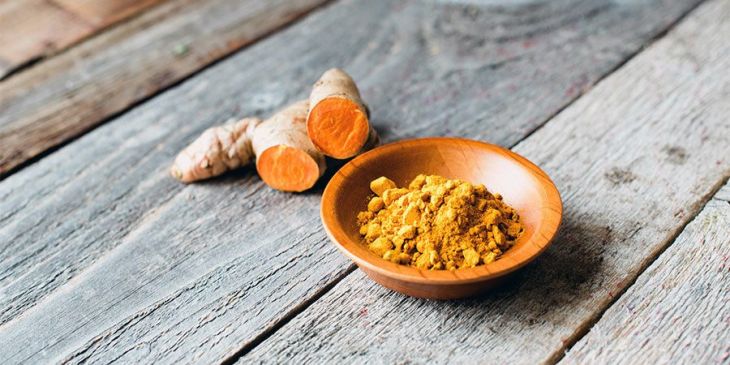
Turmeric, commonly known as haldi, is one of the most respected medicinal plants used in traditional healing systems. Obtained from the rhizome of the plant Curcuma longa, turmeric has been used for thousands of years in various cultures, particularly in South Asia. Its bright yellow color, distinctive aroma, and wide range of health benefits have made it an essential part of traditional medicine. Among the ancient healing traditions, Ayurveda, the traditional medical system of India, has long recognized turmeric as a powerful natural remedy for promoting health and preventing disease.
Ayurveda, which translates to “the science of life,” is a holistic system of medicine that focuses on balancing the body, mind, and spirit. According to Ayurvedic principles, health depends on the balance of three fundamental energies known as doshas: Vata, Pitta, and Kapha. When these energies are balanced, the body functions properly. However, when they become imbalanced, illness and discomfort may occur. Turmeric has traditionally been used in Ayurveda to restore balance among these doshas and support overall well-being.
In Ayurvedic texts, turmeric is described as a healing herb with multiple therapeutic properties. It is believed to purify the blood, improve digestion, enhance skin health, and strengthen the immune system. Ayurvedic practitioners have used turmeric in different forms such as powders, pastes, herbal mixtures, and medicinal preparations to treat various health conditions.
One of the most important uses of turmeric in Ayurveda is its ability to support the digestive system. According to traditional beliefs, proper digestion is essential for maintaining good health. Turmeric helps stimulate the production of digestive enzymes and bile, which assist in breaking down food and absorbing nutrients. It is often used in Ayurvedic remedies to relieve digestive problems such as bloating, indigestion, and loss of appetite.
Turmeric is also considered a powerful blood purifier in traditional medicine. Ayurvedic practitioners believe that impurities in the blood can contribute to skin disorders and other health problems. Turmeric helps cleanse the bloodstream by supporting liver function and improving circulation. Because of these properties, it has been widely used to treat skin conditions such as acne, rashes, and minor infections.
Another significant role of turmeric in Ayurveda is its anti-inflammatory and healing ability. Inflammation is associated with many health problems, including joint pain, swelling, and tissue damage. Turmeric has traditionally been used to reduce inflammation and promote healing of wounds, cuts, and bruises. The active compound curcumin is believed to contribute to these beneficial effects.
The versatility of turmeric in Ayurvedic medicine can be understood through its various therapeutic applications. Some of the key uses include:
-
Supporting digestive health by improving metabolism and nutrient absorption.
Purifying the blood, helping remove toxins from the body. -
Promoting skin health, reducing acne, infections, and irritation.
Reducing inflammation, particularly in joints and muscles. -
Enhancing immune function, helping the body fight infections.
Supporting respiratory health, relieving cough and throat irritation.
In traditional Ayurvedic practices, turmeric is often combined with other herbs and natural ingredients to enhance its healing effects. One of the most common preparations is turmeric milk, also known as “golden milk.” This remedy is made by mixing turmeric powder with warm milk and sometimes adding black pepper, ginger, or honey. It is traditionally consumed to relieve cold symptoms, strengthen immunity, and promote restful sleep.
Another traditional use of turmeric is in topical applications for skin and wound care. Turmeric paste is commonly prepared by mixing turmeric powder with water, oil, or milk and applying it to the skin. This paste has been used for treating minor cuts, burns, and insect bites because of its antiseptic and healing properties. It is also used in cosmetic treatments to improve skin tone and reduce blemishes.
Turmeric also plays a role in respiratory health in Ayurvedic medicine. Herbal preparations containing turmeric are used to relieve cough, congestion, and throat infections. Turmeric is believed to help clear mucus from the respiratory tract and soothe irritated tissues. These remedies are especially common during seasonal changes when respiratory illnesses are more frequent.
In addition to physical health, Ayurveda recognizes the importance of maintaining balance within the body’s internal systems. Turmeric is believed to help regulate metabolic processes and support detoxification. Ayurvedic practitioners often recommend turmeric as part of cleansing therapies that aim to remove accumulated toxins from the body.
Turmeric also holds cultural and spiritual significance in traditional Indian practices. It is often used in religious ceremonies, rituals, and cultural events because it symbolizes purity, prosperity, and health. In some traditions, turmeric is applied to the skin before weddings or important ceremonies as part of a ritual believed to promote well-being and positive energy.
Modern scientific research has begun to explore many of the traditional claims associated with turmeric. Studies have shown that curcumin, the main bioactive compound in turmeric, possesses antioxidant, anti-inflammatory, and antimicrobial properties. These findings provide scientific support for several traditional uses of turmeric in Ayurvedic medicine.
However, modern science has also identified certain limitations related to turmeric. One of the challenges is the low bioavailability of curcumin, meaning that the body absorbs only a small amount when turmeric is consumed alone. Interestingly, traditional Ayurvedic practices often combine turmeric with black pepper, which contains a compound called piperine. Piperine significantly improves the absorption of curcumin, demonstrating the wisdom behind traditional herbal combinations.
Today, turmeric continues to be widely used not only in traditional medicine but also in modern health supplements, herbal products, and natural therapies. Researchers are investigating its potential role in preventing or managing various chronic diseases, including inflammatory disorders and metabolic conditions.
In conclusion, turmeric has played a vital role in traditional medicine systems such as Ayurveda for thousands of years. Its wide range of therapeutic properties, including digestive support, blood purification, anti-inflammatory effects, and immune enhancement, have made it one of the most valued medicinal herbs in Ayurvedic practice. By promoting balance within the body and supporting natural healing processes, turmeric remains an important symbol of holistic health and traditional wisdom. As modern research continues to explore its biological effects, turmeric continues to bridge the gap between ancient healing traditions and contemporary medical science.