Chemical Composition of Haldi (Turmeric): Curcumin and Other Active Compounds
Haldi, commonly known as turmeric, is one of the most widely used spices in traditional cooking and medicine, especially in South Asian cultures. Derived from the root of the plant Curcuma longa, turmeric belongs to the ginger family and has been valued for centuries for its vibrant yellow color, earthy flavor, and remarkable medicinal properties. Beyond its culinary uses, turmeric has attracted significant scientific interest because of its complex chemical composition and the wide range of bioactive compounds it contains.
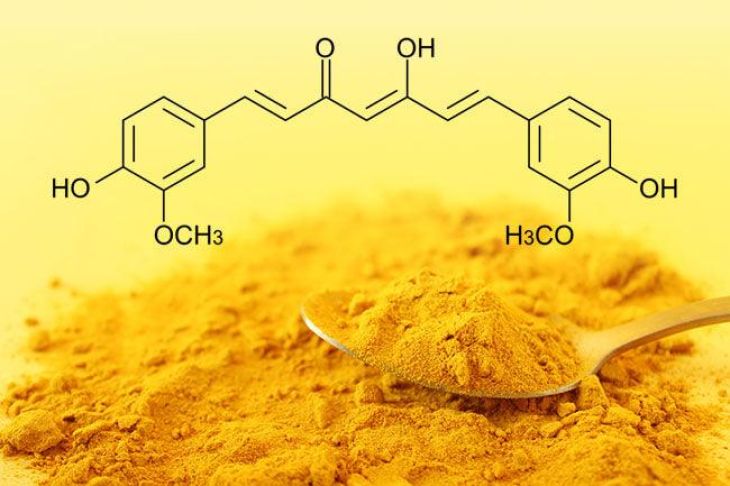
The characteristic golden-yellow color of turmeric mainly comes from a group of natural compounds called curcuminoids. Among these, curcumin is the most well-known and extensively studied compound. Curcumin is responsible for many of turmeric’s therapeutic properties, including its antioxidant, anti-inflammatory, and potential anticancer effects. However, curcumin is only one component of turmeric’s rich chemical profile. The spice also contains several other compounds that contribute to its health benefits and biological activity.
Turmeric root is made up of a mixture of carbohydrates, proteins, essential oils, minerals, and numerous phytochemicals. These natural plant chemicals interact in complex ways to produce the medicinal effects associated with turmeric. Scientists continue to study these components to better understand how they function in the human body and how they may contribute to disease prevention and treatment.
One of the most important groups of compounds found in turmeric is the curcuminoids. Curcuminoids are polyphenolic compounds that possess strong antioxidant activity. Curcumin, the primary curcuminoid, typically makes up about 2–5 percent of turmeric by weight. Although this percentage may appear small, curcumin has powerful biological properties that have made it the focus of extensive research.
Curcumin works in the body by interacting with various molecular targets, including enzymes, proteins, and cell signaling pathways. It can neutralize harmful free radicals, reduce inflammation, and influence gene expression related to immune responses. Because chronic inflammation and oxidative stress are linked to many diseases, curcumin’s ability to counter these processes has attracted attention from scientists worldwide.
Besides curcumin, turmeric contains two other important curcuminoids known as demethoxycurcumin and bisdemethoxycurcumin. These compounds share similar chemical structures with curcumin and contribute to turmeric’s overall biological activity. Although present in smaller quantities, they support the antioxidant and anti-inflammatory effects of the spice.
Another significant component of turmeric is its essential oil content. Essential oils are aromatic compounds that give turmeric its distinctive fragrance and flavor. These oils contain several biologically active molecules that may contribute to turmeric’s therapeutic properties. The presence of these oils also enhances the absorption of certain compounds within the body.
Turmeric’s chemical composition includes a wide variety of natural compounds that work together to produce its medicinal effects. Some of the most important components include:
Curcumin: The main active compound responsible for turmeric’s yellow color and many of its health benefits.
- Demethoxycurcumin: A curcuminoid that contributes to antioxidant and anti-inflammatory activity.
- Bisdemethoxycurcumin: Another curcuminoid that supports the overall therapeutic properties of turmeric.
- Turmerone: A major component of turmeric essential oil that may support brain and immune health.
- Zingiberene: An aromatic compound also found in ginger that contributes to turmeric’s fragrance.
- Polysaccharides: Complex carbohydrates that may support immune function.
- Vitamins and minerals: Turmeric contains small amounts of vitamin C, vitamin B6, potassium, and iron.
The essential oil fraction of turmeric contains compounds such as ar-turmerone, alpha-turmerone, and beta-turmerone. These compounds play important roles in the biological effects of turmeric. Research suggests that turmerones may support neurological health and may even assist in stimulating certain types of brain cells involved in repair processes. Although studies are still ongoing, these findings highlight the potential importance of turmeric’s essential oils alongside curcumin.
Another interesting component of turmeric is its natural antioxidants. Antioxidants help protect cells from damage caused by unstable molecules called free radicals. Free radicals are produced naturally during metabolism but can increase due to pollution, radiation, or unhealthy lifestyles. Excessive free radicals may damage DNA, proteins, and cell membranes, contributing to aging and disease. The antioxidants in turmeric help neutralize these molecules and protect the body’s cells from oxidative stress.
Despite its many benefits, curcumin has one important limitation: it is not easily absorbed by the human body when consumed alone. Scientists refer to this as low bioavailability. Much of the curcumin consumed through food may pass through the digestive system without entering the bloodstream in significant amounts. To address this challenge, researchers have studied methods to improve curcumin absorption.
One commonly used approach involves combining curcumin with black pepper. Black pepper contains a compound called piperine, which significantly enhances the absorption of curcumin in the digestive tract. This combination is often used in dietary supplements and traditional cooking to increase the effectiveness of turmeric’s active compounds.
The traditional use of turmeric in cooking may also contribute to its effectiveness. When turmeric is prepared with healthy fats such as oils or milk, curcumin becomes more soluble and easier for the body to absorb. This may explain why turmeric has been used for centuries in dishes such as curries and herbal drinks.
Scientific research on turmeric continues to grow as researchers explore its potential applications in modern medicine. Studies have examined curcumin’s possible roles in reducing inflammation, supporting immune function, and protecting against chronic diseases. While more clinical research is needed to confirm many of these effects, the existing evidence highlights turmeric’s importance as a natural source of bioactive compounds.
In addition to its medicinal potential, turmeric also has cultural and historical significance. In many cultures, it has been used not only as a spice but also as a natural dye, a cosmetic ingredient, and a component of traditional healing practices. Its bright color and symbolic meaning have made it an important part of ceremonies and rituals in several societies.
In conclusion, turmeric is far more than just a culinary spice. Its complex chemical composition includes curcumin, other curcuminoids, essential oils, antioxidants, and various nutrients that contribute to its biological activity. Curcumin remains the most studied compound, but the combined action of multiple active components gives turmeric its unique therapeutic potential. As scientific understanding continues to expand, turmeric remains an important subject of research, offering valuable insights into how natural plant compounds can support human health and well-being.