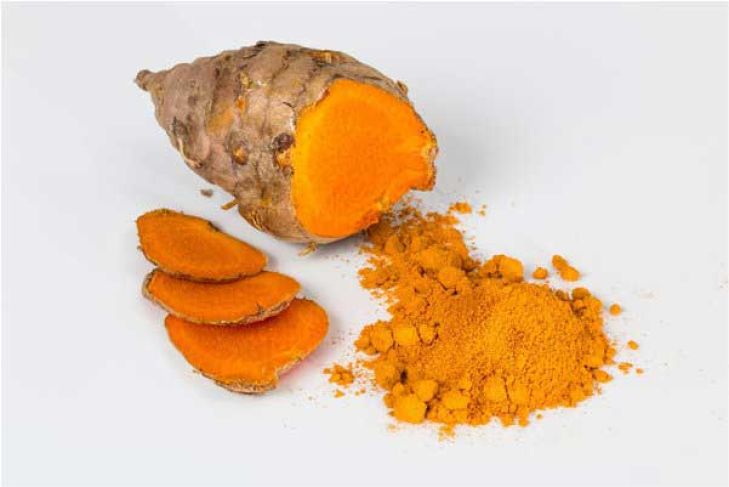
How Turmeric Helps in Wound Healing
Turmeric, commonly known as haldi, is a bright yellow spice obtained from the rhizome of the plant Curcuma longa. For centuries, it has been widely used in traditional medicine, especially in Ayurvedic and herbal healing systems. Apart from its role as a culinary ingredient, turmeric is well known for its therapeutic properties. One of the most important traditional uses of turmeric is its ability to support wound healing. Modern scientific studies have also begun to confirm many of the healing properties that have been recognized in traditional practices for generations.
A wound occurs when the skin or underlying tissues are damaged due to injury, cuts, burns, or surgical procedures. When the body experiences a wound, it immediately begins a complex healing process that involves several stages. These stages include controlling bleeding, preventing infection, repairing damaged tissue, and regenerating new skin. During this process, the immune system plays a critical role in protecting the injured area from harmful microorganisms.
Turmeric helps in wound healing mainly because of its active compound known as curcumin. Curcumin is responsible for many of turmeric’s biological properties, including anti-inflammatory, antioxidant, and antimicrobial effects. These characteristics make turmeric highly beneficial in protecting wounds from infection and promoting faster tissue repair.
One of the most important aspects of wound healing is preventing bacterial infection. When a wound is open, bacteria can easily enter the body and cause inflammation or infection. Curcumin has strong antibacterial and antimicrobial properties that help inhibit the growth of harmful microorganisms. By reducing bacterial activity around the wound, turmeric helps create a cleaner environment that supports the natural healing process.
Another key benefit of turmeric is its anti-inflammatory effect. When the body is injured, inflammation occurs as part of the natural immune response. While some inflammation is necessary for healing, excessive inflammation can delay recovery and cause pain or swelling. Curcumin helps regulate inflammatory responses by blocking certain molecules that trigger inflammation. This allows the wound area to heal more comfortably and efficiently.
Turmeric also acts as a powerful antioxidant. During the healing process, the body produces free radicals, which are unstable molecules that can damage healthy cells. If these molecules accumulate in large amounts, they may slow down tissue repair. Curcumin neutralizes free radicals and protects cells from oxidative stress. This antioxidant action helps maintain healthy tissues and promotes faster regeneration of damaged skin.
Another important role of turmeric in wound healing is its ability to stimulate collagen production. Collagen is a structural protein that plays a crucial role in maintaining the strength and elasticity of skin and connective tissues. During wound healing, the body produces new collagen fibers to repair the damaged area. Curcumin supports this process by encouraging the activity of cells responsible for collagen formation, helping wounds close more effectively.
The healing properties of turmeric can be understood through several important mechanisms:
-
Antibacterial activity that prevents harmful microbes from infecting wounds.
Anti-inflammatory action that reduces swelling, redness, and discomfort. -
Antioxidant protection that neutralizes free radicals and protects healthy cells.
Stimulation of collagen production, which helps rebuild damaged tissues. -
Improved blood circulation in the wound area, promoting oxygen and nutrient supply.
Support for immune function, helping the body fight infection naturally.
In traditional medicine, turmeric is often applied directly to wounds in the form of a turmeric paste. This paste is usually prepared by mixing turmeric powder with water, oil, or sometimes milk. When applied to the injured area, the paste forms a protective layer that helps keep the wound clean and reduces the risk of infection. The natural compounds in turmeric begin working immediately to control microbes and support tissue repair.
Turmeric has also been used traditionally for treating burns, minor cuts, insect bites, and skin irritations. Its soothing and antimicrobial effects help reduce pain and prevent the growth of harmful bacteria on the skin. In many cultures, turmeric paste is considered a simple and natural remedy for minor injuries.
Modern scientific research has further explored turmeric’s role in wound healing. Studies have shown that curcumin can accelerate the healing process by enhancing the activity of fibroblasts, which are specialized cells responsible for tissue repair. These cells produce collagen and other structural components needed to rebuild damaged skin. Curcumin also promotes the formation of new blood vessels, a process known as angiogenesis, which improves blood supply to the healing tissue.
Improved blood circulation is essential for wound healing because it delivers oxygen and nutrients that support cell growth and tissue regeneration. By stimulating angiogenesis, curcumin ensures that the wound receives the necessary resources for effective recovery.
Another advantage of turmeric in wound healing is its potential to reduce scarring. When wounds heal, excessive collagen deposition can sometimes lead to thick scars. Curcumin may help regulate the balance of collagen production, allowing the skin to heal smoothly and reducing the appearance of scars over time.
Today, turmeric is also being incorporated into modern medical and cosmetic products such as creams, gels, and ointments designed for skin care and wound treatment. Researchers are exploring advanced formulations that include curcumin nanoparticles and bioactive dressings to improve the delivery of turmeric compounds to damaged tissues.
Despite its many benefits, turmeric should be used carefully in certain situations. While it is generally safe for minor wounds, deep or severe injuries require professional medical treatment. Applying raw turmeric powder directly to large open wounds without proper sterilization may not always be recommended. Therefore, medical guidance is important for serious injuries.
Another limitation of curcumin is its low bioavailability, meaning that when consumed orally, only a small portion is absorbed into the bloodstream. However, combining turmeric with black pepper, which contains the compound piperine, significantly improves curcumin absorption and effectiveness.
In conclusion, turmeric is a powerful natural remedy that supports wound healing through multiple biological mechanisms. Its active compound curcumin provides antibacterial, anti-inflammatory, and antioxidant effects that protect wounds from infection and promote faster tissue repair. By stimulating collagen production, improving blood circulation, and supporting immune function, turmeric helps the body recover more efficiently from injuries. As scientific research continues to explore its therapeutic potential, turmeric remains a valuable natural resource in both traditional and modern approaches to wound care and skin healing