Role of Curcumin in Cancer Prevention
Cancer is one of the most serious health challenges affecting people around the world. It develops when normal cells in the body begin to grow uncontrollably and form abnormal masses known as tumors. Many factors can contribute to the development of cancer, including genetic mutations, environmental influences, unhealthy lifestyle habits, and chronic inflammation. As researchers continue to explore ways to prevent cancer, increasing attention has been given to natural compounds that may help protect the body from the early stages of tumor development. One such compound that has received significant scientific interest is curcumin, the main active component found in turmeric.
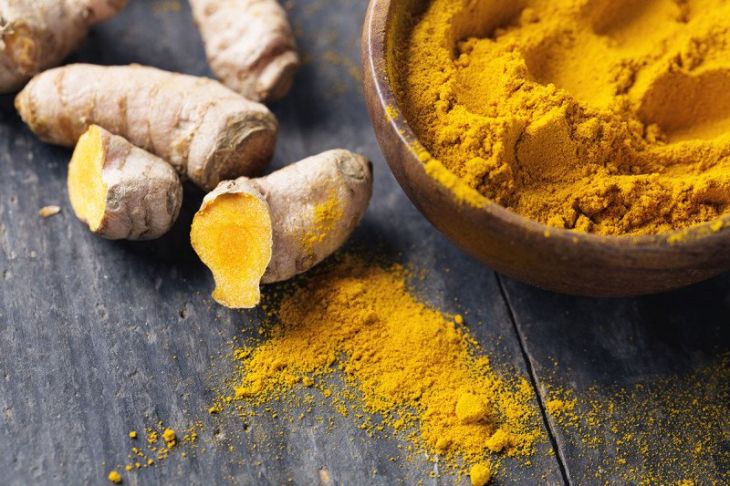
Curcumin is a natural polyphenolic compound responsible for the bright yellow color of turmeric, a spice derived from the rhizome of the plant Curcuma longa. For centuries, turmeric has been used in traditional medicine systems for its healing properties. Modern research has shown that curcumin possesses several biological activities, including antioxidant, anti-inflammatory, antimicrobial, and potential anticancer effects. These properties make curcumin a promising natural compound in the field of cancer prevention.
Cancer often develops over many years through a series of cellular changes. The process typically begins with genetic damage to cells, followed by abnormal cell growth and eventually the formation of tumors. Curcumin may help interrupt this process at multiple stages by interacting with different molecular pathways in the body.
One of the most important ways curcumin contributes to cancer prevention is through its antioxidant activity. The human body constantly produces unstable molecules called free radicals during normal metabolic processes. External factors such as pollution, radiation, smoking, and unhealthy diets can increase the production of these molecules. When free radicals accumulate, they can damage DNA, proteins, and cellular structures. This damage may lead to mutations that increase the risk of cancer. Curcumin acts as a powerful antioxidant by neutralizing free radicals and protecting cells from oxidative stress.
Another important mechanism is curcumin’s anti-inflammatory effect. Chronic inflammation is closely linked to the development of several types of cancer. Long-term inflammation can create an environment in which abnormal cells grow and survive more easily. Curcumin helps regulate inflammatory responses by inhibiting molecules that trigger inflammation. By reducing chronic inflammation, curcumin may help lower the risk of cancer development.
Curcumin also influences cell signaling pathways, which control how cells grow, divide, and die. In healthy tissues, these processes are tightly regulated to maintain normal function. However, in cancer cells, these regulatory systems become disrupted. Curcumin can interfere with certain signaling pathways that promote tumor growth, helping prevent abnormal cells from multiplying.
In addition to controlling cell growth, curcumin may also stimulate a process known as apoptosis, or programmed cell death. Apoptosis is a natural mechanism that allows the body to eliminate damaged or abnormal cells before they become harmful. Cancer cells often avoid this process, allowing them to survive and multiply uncontrollably. Curcumin has been shown to activate pathways that encourage apoptosis in abnormal cells, potentially preventing them from developing into tumors.
The protective effects of curcumin against cancer can be summarized through several key biological actions:
-
Neutralizing free radicals and reducing oxidative stress that damages DNA.
Suppressing chronic inflammation, which is linked to tumor development. -
Regulating cell growth and division, preventing uncontrolled cell proliferation.
Promoting apoptosis, the natural elimination of damaged or abnormal cells. -
Inhibiting angiogenesis, the formation of new blood vessels that tumors need to grow.
Blocking certain molecular pathways involved in cancer progression.
Another important role of curcumin in cancer prevention is its ability to inhibit angiogenesis, the process through which tumors create new blood vessels. Cancer cells require a constant supply of oxygen and nutrients to grow. To meet this demand, tumors stimulate the formation of new blood vessels that supply them with essential resources. Curcumin can interfere with signals that promote angiogenesis, thereby limiting the ability of tumors to grow and spread.
Curcumin may also help prevent metastasis, which is the spread of cancer cells from the original tumor to other parts of the body. Metastasis is one of the main reasons cancer becomes life-threatening. Research suggests that curcumin can influence molecules involved in cell migration and invasion, making it more difficult for cancer cells to spread to distant tissues.
Another advantage of curcumin is its ability to interact with multiple biological targets simultaneously. Unlike some drugs that focus on a single pathway, curcumin can influence several molecular processes at once. This multi-target approach may make it particularly useful in preventing the complex biological changes that lead to cancer.
Curcumin has been studied in relation to several types of cancer, including breast, colon, prostate, lung, and skin cancers. Laboratory studies and animal experiments have shown promising results in reducing tumor growth and preventing cancer development. However, more clinical research involving human participants is needed to fully understand its effectiveness in cancer prevention.
Despite its potential benefits, curcumin faces a challenge related to bioavailability. When consumed orally, only a small amount of curcumin is absorbed into the bloodstream. Most of it is quickly metabolized and eliminated from the body. To address this issue, researchers have developed various strategies to improve curcumin absorption. These include combining curcumin with black pepper, which contains a compound called piperine that significantly increases curcumin absorption. Other methods involve using nanoparticles, liposomal formulations, and curcumin complexes.
In addition to supplements, turmeric is widely consumed as part of a balanced diet. Including turmeric in daily meals may provide small but consistent amounts of curcumin that contribute to long-term health benefits. Traditional cooking methods often combine turmeric with oils and spices, which can help improve its absorption in the body.
While curcumin shows promise as a preventive compound, it is important to understand that it is not a cure for cancer. Cancer prevention involves a combination of healthy lifestyle choices, including a balanced diet, regular exercise, avoiding tobacco, and minimizing exposure to harmful environmental factors. Curcumin may serve as a supportive natural compound that contributes to overall health and disease prevention.
In conclusion, curcumin plays an important role in cancer prevention through its antioxidant, anti-inflammatory, and cell-regulating properties. By protecting DNA from damage, controlling inflammation, promoting the death of abnormal cells, and interfering with tumor growth mechanisms, curcumin may help reduce the risk of cancer development. Although more clinical studies are needed to confirm its full potential, current research highlights curcumin as a promising natural compound in the ongoing effort to prevent cancer and support human health.