Stability of Curcumin Under Heat, Light, and Oxygen
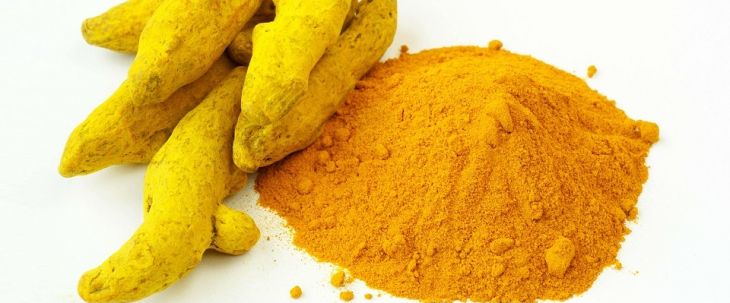
Curcumin, the primary bioactive compound found in turmeric, has gained widespread attention for its vibrant color and remarkable health benefits. Known for its anti-inflammatory and antioxidant properties, curcumin is used in food, pharmaceuticals, and cosmetic products. However, despite its many advantages, curcumin is chemically sensitive and prone to degradation under certain environmental conditions. Factors such as heat, light, and oxygen play a critical role in determining its stability, influencing both its effectiveness and shelf life. Understanding how curcumin behaves under these conditions is essential for its proper use and preservation.
Curcumin’s chemical structure includes phenolic groups and a conjugated system of double bonds, which contribute to its biological activity but also make it vulnerable to environmental stress. These structural features allow curcumin to interact easily with external factors, leading to chemical changes that can reduce its potency and alter its color. As a result, maintaining the stability of curcumin is a key challenge in its application across various industries.
Heat is one of the most common factors affecting curcumin stability. During cooking or processing, turmeric is often exposed to high temperatures, which can lead to the breakdown of curcumin molecules. While moderate heat may not completely destroy curcumin, prolonged exposure to high temperatures can significantly reduce its concentration. This degradation occurs because heat accelerates chemical reactions that break down the compound into smaller, less active molecules. However, it is important to note that short-term heating, such as in everyday cooking, may still retain a portion of curcumin’s beneficial properties.
Interestingly, the presence of certain ingredients can influence how curcumin responds to heat. For example, cooking turmeric with fats such as oil or ghee may help stabilize the compound to some extent, as curcumin is fat-soluble. This traditional practice not only enhances flavor but also improves the retention and absorption of curcumin in the body.
Light exposure is another factor that significantly impacts curcumin stability. Curcumin is highly sensitive to ultraviolet (UV) and visible light, which can trigger photodegradation. When exposed to light, especially direct sunlight, curcumin undergoes chemical reactions that break its molecular structure. This results in a loss of color intensity and a decrease in its biological activity. Over time, products containing curcumin may fade or become less effective if not stored properly.
To prevent light-induced degradation, curcumin-containing products are often packaged in opaque or dark-colored containers. This helps block harmful light and preserve the compound’s integrity. Proper storage conditions, such as keeping turmeric powder or supplements in a cool, dark place, can significantly extend their shelf life.
Oxygen, present in the air, also plays a major role in the degradation of curcumin. Oxidation occurs when curcumin reacts with oxygen molecules, leading to the formation of new compounds that may not retain the original properties of curcumin. This process is particularly rapid when curcumin is exposed to both oxygen and light simultaneously. Oxidative degradation not only reduces the effectiveness of curcumin but can also alter its color and taste.
Key factors affecting the stability of curcumin include:
-
Heat exposure: High temperatures can break down curcumin and reduce its potency
-
Light sensitivity: UV and visible light cause photodegradation and color fading
-
Oxygen interaction: Leads to oxidation and formation of less active compounds
-
pH conditions: Alkaline environments can accelerate degradation
-
Storage methods: Proper packaging and storage can enhance stability
-
Presence of fats: May help improve stability and absorption during cooking
The combined effect of heat, light, and oxygen can be particularly damaging. For instance, leaving turmeric powder exposed to air and sunlight in a warm environment can lead to rapid degradation. This highlights the importance of controlling environmental conditions during storage and processing.
In the pharmaceutical and food industries, maintaining curcumin stability is a major focus. Researchers and manufacturers are constantly exploring ways to protect curcumin from degradation. One common approach is encapsulation, where curcumin is enclosed within a protective coating or carrier system. Techniques such as nanoencapsulation, liposomal delivery, and polymer-based coatings help shield curcumin from external factors, improving its stability and bioavailability.
Another strategy involves the use of antioxidants and stabilizing agents that can prevent or slow down oxidative reactions. By combining curcumin with other protective compounds, it is possible to enhance its resistance to environmental stress and extend its shelf life.
In addition to industrial applications, understanding curcumin stability is also important for everyday use. Simple practices, such as storing turmeric in airtight containers, keeping it away from direct sunlight, and avoiding prolonged exposure to high heat, can help preserve its quality. These measures ensure that the beneficial properties of curcumin are retained for as long as possible.
The stability of curcumin also has implications for its therapeutic effectiveness. If curcumin degrades before it is consumed or absorbed, its health benefits may be significantly reduced. This is particularly important in medical and nutritional applications, where precise dosages and consistent potency are required. Ensuring stability is therefore essential for maximizing the potential of curcumin in health-related uses.
Despite its sensitivity, curcumin remains a valuable compound with a wide range of applications. Advances in technology and research continue to address its stability challenges, making it more practical for use in modern products. By understanding the factors that affect curcumin stability, scientists and consumers alike can make better decisions about how to use and preserve this important natural compound.
In conclusion, curcumin’s stability is influenced by environmental factors such as heat, light, and oxygen, all of which can lead to its degradation. While these challenges may limit its effectiveness, proper handling, storage, and advanced formulation techniques can help overcome them. As research progresses, new methods are being developed to enhance curcumin’s stability and ensure its continued use in food, medicine, and cosmetics. By taking these factors into account, it is possible to fully harness the benefits of curcumin while maintaining its quality and effectiveness.