Scientific Studies on Turmeric and Cancer Treatment
Turmeric, widely known as haldi, is a golden-yellow spice obtained from the rhizome of the plant Curcuma longa. It has been used for thousands of years in traditional medicine systems such as Ayurveda and traditional Chinese medicine. Historically, turmeric has been valued for its healing properties, including its ability to reduce inflammation, fight infections, and promote overall health. In recent decades, scientific interest in turmeric has grown significantly, especially in the field of cancer research. Scientists around the world have been studying the potential role of turmeric and its active compounds in cancer prevention and treatment.
The primary compound responsible for turmeric’s medicinal properties is curcumin, a natural polyphenol that gives turmeric its bright yellow color. Curcumin belongs to a group of compounds known as curcuminoids and is considered the most biologically active component of turmeric. Research has shown that curcumin possesses antioxidant, anti-inflammatory, antimicrobial, and anticancer properties. Because cancer development involves complex biological processes, researchers are investigating how curcumin interacts with cancer cells and the pathways that regulate their growth.
Scientific studies on turmeric and cancer treatment generally fall into three main categories: laboratory studies (in vitro), animal studies, and clinical trials involving humans. Each type of study contributes valuable information about how turmeric compounds may influence cancer cells and whether they could be used in medical treatments.
Laboratory studies are often the first step in cancer research. In these studies, scientists examine the effects of curcumin on cancer cells grown in controlled environments such as petri dishes or test tubes. These experiments allow researchers to observe how curcumin interacts with cellular components and how it affects the growth and survival of cancer cells. Many laboratory studies have shown that curcumin can inhibit the growth of cancer cells by interfering with molecular pathways that control cell division.
Animal studies are another important stage in scientific research. In these experiments, researchers study the effects of curcumin in living organisms, usually laboratory animals such as mice or rats. These studies help scientists understand how curcumin behaves inside the body, including how it is absorbed, distributed, and metabolized. Animal studies have shown that curcumin may reduce tumor growth in certain experimental cancer models and may also help prevent the spread of cancer cells to other organs.
Human clinical trials are the most important type of research for determining whether a substance is safe and effective for medical use. In these studies, curcumin is tested in human participants to evaluate its potential benefits in cancer treatment or prevention. While many clinical trials are still ongoing, early results suggest that curcumin may support conventional cancer therapies and improve certain biological markers associated with cancer progression.
Scientific investigations have identified several ways in which turmeric compounds may influence cancer cells and tumor development. These biological effects include:
Inhibition of uncontrolled cell growth, slowing the proliferation of cancer cells.
Induction of apoptosis, encouraging abnormal cells to undergo programmed cell death.
Reduction of inflammation, which is often linked to cancer development.
Antioxidant protection, preventing damage to DNA caused by free radicals.
Suppression of angiogenesis, limiting the formation of new blood vessels that feed tumors.
Inhibition of metastasis, reducing the spread of cancer cells to other tissues.
One of the most promising aspects of curcumin research is its ability to interact with multiple cell signaling pathways. Cancer cells rely on specific signals that promote survival, growth, and resistance to therapy. Curcumin has been shown to influence several of these signaling pathways, including those related to inflammation, cell division, and immune responses. By targeting multiple pathways simultaneously, curcumin may disrupt the complex network that allows cancer cells to survive and multiply.
Another important area of study is the use of curcumin as a supportive agent alongside conventional cancer treatments. Some researchers believe that curcumin may enhance the effectiveness of chemotherapy and radiation therapy by making cancer cells more sensitive to these treatments. At the same time, curcumin’s anti-inflammatory and antioxidant properties may help reduce some of the side effects associated with conventional cancer therapies.
Several studies have also explored the potential role of curcumin in specific types of cancer. Research has examined its effects on cancers such as breast cancer, colorectal cancer, prostate cancer, pancreatic cancer, and lung cancer. In laboratory and animal studies, curcumin has shown the ability to slow tumor growth, inhibit cancer cell migration, and reduce inflammation associated with tumor development.
Despite these promising findings, researchers have also identified certain challenges related to the medical use of curcumin. One of the main limitations is its low bioavailability. When curcumin is consumed orally, only a small amount is absorbed into the bloodstream. Most of it is quickly metabolized and eliminated from the body. As a result, the concentration of curcumin reaching tissues may not always be high enough to produce strong therapeutic effects.
To address this issue, scientists are developing new formulations designed to improve curcumin absorption. For example, combining curcumin with piperine, a compound found in black pepper, has been shown to significantly increase its bioavailability. Other research focuses on advanced delivery systems such as nanoparticles, liposomes, and curcumin-based capsules that enhance stability and absorption.
Another important consideration is that while turmeric and curcumin show promising potential, they are not a replacement for conventional cancer treatments. Medical treatments such as surgery, chemotherapy, radiation therapy, and targeted therapies remain the primary methods for treating cancer. Curcumin may serve as a complementary compound that supports overall health and enhances the body’s ability to respond to treatment.
Researchers also emphasize the importance of conducting more large-scale clinical trials to confirm the safety, effectiveness, and optimal dosage of curcumin for cancer patients. While laboratory and animal studies provide valuable insights, human clinical studies are necessary to fully understand how turmeric compounds function in real medical settings.
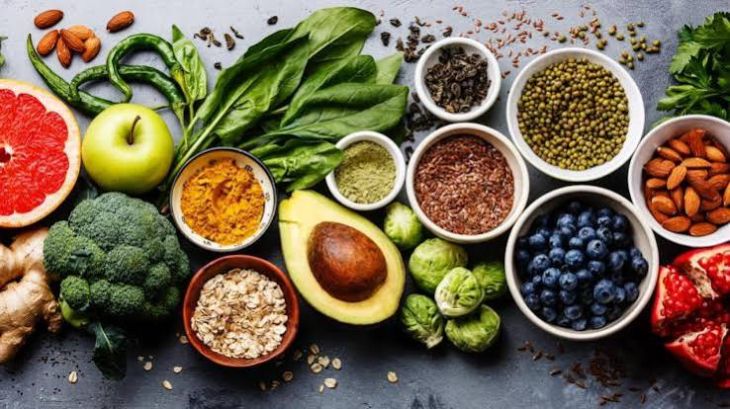
In addition to medical research, turmeric continues to be widely used as part of a healthy diet. Traditional cuisines often include turmeric in daily meals, providing small but consistent amounts of curcumin. These dietary habits may contribute to long-term health benefits, including reduced inflammation and improved immune function.
In conclusion, scientific studies on turmeric and cancer treatment have revealed significant potential for this natural compound. Curcumin, the primary active component of turmeric, has demonstrated the ability to influence cancer cells through multiple biological mechanisms, including reducing inflammation, inhibiting tumor growth, and promoting the death of abnormal cells. Although further research is required to fully confirm its role in clinical medicine, current evidence suggests that turmeric and its bioactive compounds may become valuable supportive agents in the ongoing fight against cancer.