Future Research and Potential Medical Applications of Turmeric
Turmeric, a bright yellow spice derived from the root of the Curcuma longa plant, has been used for centuries in traditional medicine systems for its healing properties. In recent decades, scientific research has begun to validate many of these traditional claims, focusing particularly on curcumin—the primary bioactive compound in turmeric. While current studies have already revealed a wide range of health benefits, the future of turmeric research holds even greater promise. As technology advances and interest in natural therapies grows, turmeric is poised to play a significant role in the development of new medical applications.
One of the most important areas of future research is improving the bioavailability of curcumin. Despite its powerful therapeutic properties, curcumin is not easily absorbed by the body when consumed in its natural form. This limitation has prompted researchers to explore innovative delivery systems such as nanoparticles, liposomes, and micelles. These advanced technologies aim to enhance absorption, increase stability, and ensure that curcumin reaches targeted areas in the body more effectively. Breakthroughs in this field could significantly expand the clinical use of turmeric-based treatments.
Another promising direction for turmeric research lies in cancer therapy. Preliminary studies have shown that curcumin may influence cancer cell growth, apoptosis (programmed cell death), and metastasis. In the future, researchers are likely to explore how curcumin can be integrated into combination therapies alongside conventional treatments such as chemotherapy and radiation. The goal is not to replace existing treatments but to enhance their effectiveness while reducing side effects. Personalized medicine, which tailors treatment based on individual genetic profiles, may also benefit from turmeric-based compounds.
Neurological health is another area where turmeric shows great potential. Curcumin has been found to cross the blood-brain barrier, a feature that makes it particularly valuable in studying brain-related conditions. Future research may focus on its role in preventing or managing neurodegenerative diseases such as Alzheimer’s and Parkinson’s disease. Scientists are also investigating its potential to improve cognitive function, reduce inflammation in the brain, and support mental health conditions such as depression and anxiety.
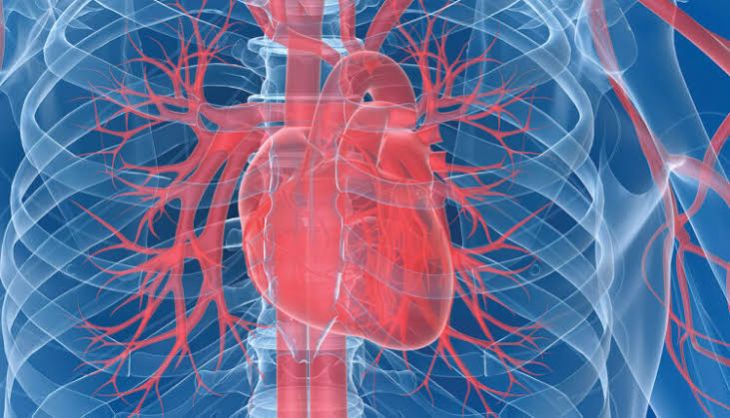
In addition to these areas, turmeric is being studied for its potential role in managing metabolic disorders. Conditions such as diabetes, obesity, and cardiovascular diseases are major global health concerns. Curcumin’s anti-inflammatory and antioxidant properties may help regulate blood sugar levels, improve lipid profiles, and reduce the risk of heart disease. Future clinical trials are expected to provide more concrete evidence on how turmeric can be used as part of preventive and therapeutic strategies for these conditions.
Key areas of future research and medical applications of turmeric include:
-
Enhanced drug delivery systems: Development of nanoparticles and liposomes to improve curcumin absorption
-
Cancer treatment support: Integration with chemotherapy and targeted therapies
-
Neuroprotection: Potential use in Alzheimer’s, Parkinson’s, and cognitive disorders
-
Metabolic health: Management of diabetes, obesity, and cardiovascular diseases
-
Immune system modulation: Strengthening immune responses and reducing chronic inflammation
-
Antimicrobial research: Development of natural alternatives to antibiotics
-
Regenerative medicine: Exploration of turmeric in tissue repair and healing
Another exciting area of exploration is turmeric’s role in antimicrobial resistance. With the growing concern over antibiotic-resistant bacteria, there is an urgent need for alternative solutions. Curcumin has demonstrated antimicrobial activity against a range of pathogens, including bacteria, viruses, and fungi. Future research may focus on developing turmeric-based antimicrobial agents that can complement or even replace conventional antibiotics in certain cases.
Turmeric is also gaining attention in the field of regenerative medicine. Its ability to reduce inflammation and promote healing makes it a candidate for applications in tissue repair and wound healing. Researchers are exploring how curcumin can be incorporated into biomaterials, such as hydrogels and scaffolds, to support the regeneration of damaged tissues. This could have significant implications for treating injuries, burns, and even degenerative conditions.
The integration of turmeric into modern pharmaceutical formulations is another area with strong potential. Scientists are working on creating standardized, high-quality turmeric extracts that can be used in clinical settings. This involves ensuring consistent potency, purity, and safety through advanced manufacturing processes. As regulatory frameworks evolve, turmeric-based medicines may become more widely accepted in mainstream healthcare.
Despite its promise, there are still challenges that need to be addressed. One of the primary concerns is the variability in research results, which can be influenced by differences in study design, dosage, and formulation. Large-scale, well-controlled clinical trials are necessary to establish clear guidelines for the medical use of turmeric. Additionally, understanding potential interactions with other medications is crucial to ensure patient safety.
Collaboration between traditional knowledge systems and modern scientific research will play a key role in unlocking turmeric’s full potential. Many of the uses of turmeric in traditional medicine provide valuable insights that can guide future studies. By combining this knowledge with advanced research techniques, scientists can develop more effective and evidence-based applications.
The global shift toward natural and plant-based therapies is also driving interest in turmeric research. Consumers are increasingly seeking alternatives to synthetic drugs, particularly for long-term health management. This trend is encouraging investment in research and development, leading to new discoveries and innovations.
In conclusion, the future of turmeric research is both promising and expansive. From improving bioavailability and supporting cancer therapy to advancing neurological health and combating antimicrobial resistance, turmeric offers a wide range of potential medical applications. While challenges remain, ongoing research and technological advancements are paving the way for its integration into modern medicine. As science continues to explore the full capabilities of this ancient spice, turmeric may emerge as a key player in the development of safer, more effective, and holistic healthcare solutions.