Inherited Risk vs Acquired Mutation of Cancer
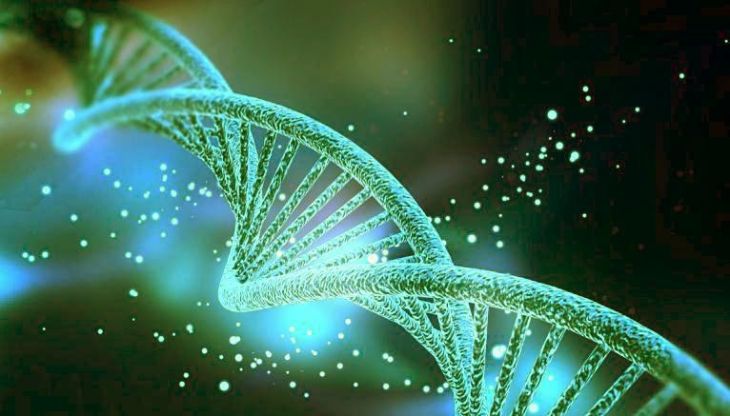
Cancer develops because of changes in DNA, the genetic blueprint that directs how cells grow, divide, and function. These changes, known as mutations, disrupt normal cellular control systems and allow abnormal growth. However, not all mutations arise in the same way. Some are inherited from parents, while others are acquired over a lifetime due to environmental exposures or natural cellular errors. Understanding the difference between inherited risk and acquired mutations helps clarify why cancer develops in certain individuals and how prevention and screening strategies can be personalized.
Every person is born with a unique genetic makeup. Genes are passed down from both parents and determine traits such as eye color, height, and certain disease risks. In some cases, individuals inherit mutations in genes that normally protect against cancer. These inherited mutations are present in every cell of the body from birth and can significantly increase the likelihood of developing certain cancers. However, inheriting a mutation does not guarantee that cancer will occur—it only raises the probability.
Inherited cancer risk is often linked to mutations in tumor suppressor genes. Tumor suppressor genes act as protective mechanisms by repairing DNA damage or stopping abnormal cells from dividing. When one copy of such a gene is already defective at birth, the body has less protection against future cellular damage. If the second copy becomes damaged later in life, cancer may develop more easily.
A well-known example involves inherited mutations in genes responsible for repairing DNA. Individuals carrying these mutations may have a higher lifetime risk of developing breast, ovarian, colorectal, or other types of cancer. These hereditary cancers often appear at younger ages compared to cancers caused by acquired mutations. They may also occur in multiple family members across generations.
On the other hand, most cancers are caused by acquired mutations. These mutations are not inherited and are not present at birth. Instead, they develop over time in specific cells. Acquired mutations result from various factors, including exposure to tobacco smoke, ultraviolet radiation, harmful chemicals, chronic inflammation, infections, or simply random errors during cell division. Every time a cell divides, its DNA must be copied. Occasionally, small mistakes occur. While the body has repair systems to fix these errors, some changes escape correction.
There are several important differences between inherited and acquired mutations:
Origin: Inherited mutations are passed from parents; acquired mutations develop during a person’s lifetime.
Location in the body: Inherited mutations exist in all cells; acquired mutations occur only in specific affected cells.
Family pattern: Inherited cancers often show a strong family history; acquired cancers usually do not.
Age of onset: Hereditary cancers may appear earlier; acquired cancers are more common with aging.
Prevalence: Most cancers are due to acquired mutations rather than inherited ones.
Age plays a significant role in acquired mutations. As individuals grow older, their cells undergo countless divisions. Over time, DNA damage accumulates. This explains why cancer risk increases with age. Environmental exposures compound this risk. For example, long-term smoking introduces carcinogens that directly damage lung cell DNA. Prolonged sun exposure can cause mutations in skin cells. Diet, physical inactivity, and alcohol consumption can also influence mutation rates and cancer risk.
It is important to recognize that inherited risk and acquired mutations are not entirely separate processes. A person who inherits a cancer-related mutation may still need additional acquired mutations for cancer to develop. In other words, inherited mutations often create vulnerability, while environmental and lifestyle factors may trigger the disease.
Genetic testing has become an important tool in identifying inherited cancer risk. Individuals with strong family histories of certain cancers may choose to undergo testing to determine whether they carry specific gene mutations. If a mutation is identified, preventive measures can be taken. These may include increased screening, lifestyle changes, medications, or in some cases, preventive surgery.
Early detection significantly improves outcomes for those at higher genetic risk.
For individuals without inherited mutations, reducing acquired mutation risk is key.
Avoiding tobacco, protecting skin from excessive sunlight, maintaining a healthy weight, staying physically active, limiting alcohol intake, and receiving recommended vaccinations all lower the chances of DNA damage. Regular screening tests also help detect abnormal changes before they progress into advanced cancer.
Another distinction between inherited and acquired mutations lies in their predictability. Inherited risk can often be traced through family medical history. If multiple close relatives have developed similar cancers, especially at younger ages, a hereditary component may be suspected. Acquired mutations, however, are often unpredictable. They may occur even in individuals with no family history and no obvious risk factors.
Psychologically, understanding inherited risk can create both anxiety and empowerment. Some individuals may feel fear knowing they carry a genetic mutation. At the same time, knowledge provides the opportunity for proactive health decisions. Counseling and support play an important role in helping individuals cope with genetic information.
Scientific research continues to explore the complex interaction between genes and environment. Advances in precision medicine now allow doctors to analyze the genetic profile of tumors, whether inherited or acquired. This enables more targeted treatment strategies that focus on specific molecular changes driving cancer growth.
In conclusion, cancer arises from mutations in DNA, but these mutations can be either inherited or acquired. Inherited mutations are present from birth and increase susceptibility, while acquired mutations develop over time due to environmental exposures and natural cellular processes. Although hereditary cancers represent a smaller percentage of cases, they require special attention through genetic counseling and preventive care. Most cancers, however, are linked to acquired mutations, highlighting the importance of healthy lifestyle choices and regular screenings. Understanding the distinction between inherited risk and acquired mutation empowers individuals to take informed steps toward prevention, early detection, and personalized treatment.