Why Some Cancers Are Painless in Early Stages
Cancer is often associated with severe pain and physical discomfort. Many people believe that if a serious disease like cancer develops, it will immediately cause noticeable symptoms. However, in reality, many cancers remain painless during their early stages. This is one of the main reasons why cancer can go undetected for long periods and may only be diagnosed when it has already advanced. Understanding why early-stage cancers are often painless helps explain the importance of regular medical screenings and early detection.
Pain in the human body usually occurs when nerves detect injury, inflammation, or pressure in tissues. Specialized nerve endings called pain receptors send signals to the brain, alerting us to potential damage. These signals help the body respond quickly to injuries such as cuts, burns, or infections. However, cancer develops differently from sudden injuries. In its early stages, the abnormal cells may grow slowly and quietly without disturbing surrounding tissues or activating pain receptors.
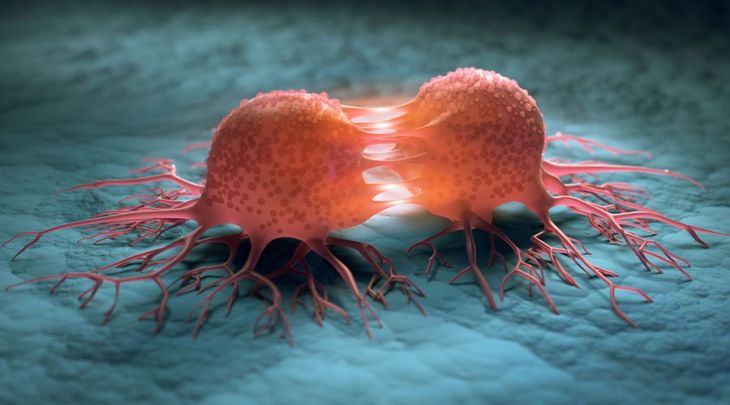
One of the main reasons early cancers are painless is their small size. When a tumor first begins to form, it is typically very tiny. At this stage, it may consist of only a small cluster of abnormal cells that do not yet affect nearby organs or nerves. Because there is little or no pressure on surrounding structures, the body does not receive pain signals. As a result, the person may feel completely healthy even though the disease has already started developing at the cellular level.
Another factor is the location of the tumor. Some organs in the body contain fewer pain-sensitive nerves than others. For example, tissues inside organs like the liver, kidneys, or lungs may not immediately produce pain when small tumors develop.
The lack of strong nerve connections means that abnormal growth can continue without triggering noticeable discomfort. Pain usually appears later, when the tumor becomes large enough to affect nearby nerves or surrounding tissues.
Cancer also tends to grow gradually rather than suddenly. The body can sometimes adapt to slow changes, making it harder to detect early warning signs. Unlike acute injuries that trigger immediate pain and inflammation, cancer may develop over months or years. During this time, the tumor slowly expands without causing obvious symptoms.
Several biological and structural factors explain why early-stage cancers often remain painless:
Small tumor size that does not press against nerves or organs.
Slow growth that allows the body to adapt gradually.
Location in tissues with fewer pain-sensitive nerve endings.
Limited inflammation in the early stages of tumor development.
Lack of pressure on surrounding blood vessels or tissues.
Minimal disruption to normal body functions initially.
Inflammation is another key element related to pain. When tissues become inflamed due to infection or injury, the immune system releases chemicals that stimulate pain receptors. In many early cancers, inflammation may be minimal or absent. Without a strong inflammatory response, pain signals are not triggered. As the tumor grows larger or spreads, inflammation may increase, leading to discomfort or pain.
In some cases, early cancers may produce symptoms that are subtle rather than painful. These symptoms can include fatigue, unexplained weight loss, changes in appetite, or minor changes in body function. Because these signs are often mild and nonspecific, people may not recognize them as potential indicators of a serious condition. As a result, medical attention may be delayed.
Pain typically develops in later stages of cancer when the tumor becomes larger or begins affecting surrounding structures. For example, a growing tumor may press against nerves, bones, or organs. This pressure can irritate nerve endings and trigger pain signals. Additionally, tumors may block blood vessels or ducts, causing swelling and tissue damage that contribute to discomfort.
Another cause of pain in advanced cancer is metastasis, the spread of cancer cells to other parts of the body. When cancer spreads to bones, for instance, it can cause significant pain because bones contain many sensitive nerve endings. Similarly, tumors that invade muscles, connective tissues, or nerves may produce intense pain due to direct tissue damage.
The fact that many cancers are painless in their early stages highlights the importance of preventive healthcare. Routine screenings and medical check-ups can detect abnormalities before symptoms appear. Screening tests such as imaging scans, blood tests, and other diagnostic procedures are designed to identify early signs of disease when treatment is most effective.
Public awareness also plays an important role. Many people wait until they experience pain before seeking medical attention, assuming that the absence of discomfort means they are healthy. However, early-stage cancer often develops silently. Recognizing subtle warning signs and maintaining regular health evaluations can significantly improve the chances of early diagnosis.
Medical research continues to focus on developing better methods for early detection. Advances in imaging technology, molecular testing, and genetic screening are helping doctors identify cancer at earlier stages than ever before. Early detection greatly improves treatment outcomes because tumors are smaller, more localized, and easier to treat before they spread.
In conclusion, many cancers remain painless during their early stages because tumors are small, grow slowly, and often develop in areas with limited pain-sensitive nerves. Without significant pressure, inflammation, or tissue damage, the body may not send pain signals to the brain. Unfortunately, this silent development can delay diagnosis and allow the disease to progress unnoticed. Understanding why early cancers are often painless emphasizes the critical importance of regular screenings, medical awareness, and early detection strategies in improving survival and treatment success.