Role of Curcuminoids in the Biological Activity of Turmeric.
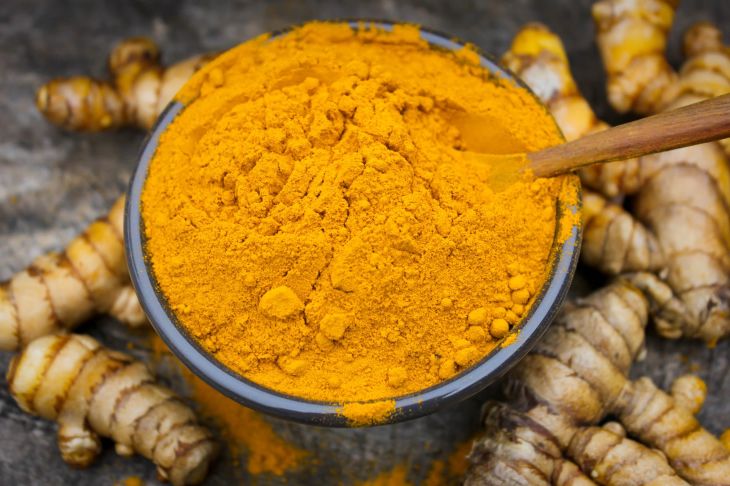
Turmeric, commonly known as haldi, is one of the most widely used medicinal spices in the world. Derived from the rhizome of the plant Curcuma longa, turmeric has been an important part of traditional medicine for thousands of years, especially in Ayurvedic and Asian healing systems. While turmeric is commonly used as a culinary ingredient for its color and flavor, its health benefits have attracted significant scientific attention. The therapeutic properties of turmeric are mainly attributed to a group of natural compounds known as curcuminoids.
Curcuminoids are bioactive polyphenolic compounds found in turmeric that are responsible for its bright yellow color and many of its medicinal effects. These compounds possess strong antioxidant, anti-inflammatory, antimicrobial, and potential anticancer properties. Although turmeric contains many chemical constituents, curcuminoids are considered the most important contributors to its biological activity.
The curcuminoid group mainly consists of three closely related compounds: curcumin, demethoxycurcumin, and bisdemethoxycurcumin. Among these, curcumin is the most abundant and the most extensively studied. It typically accounts for about 70–80 percent of the total curcuminoid content in turmeric. The remaining percentage consists of the other two curcuminoids, which also contribute to turmeric’s overall health benefits.
Curcuminoids function by interacting with various biological systems in the body. They influence cellular signaling pathways, regulate enzyme activity, and help control inflammatory responses. Because of these interactions, curcuminoids are capable of affecting many physiological processes that are linked to health and disease.
One of the most important biological activities of curcuminoids is their antioxidant capability. The human body constantly produces unstable molecules known as free radicals during normal metabolic processes. These molecules can damage cells, proteins, and DNA if they accumulate in large amounts. This condition is known as oxidative stress and is associated with aging and many chronic diseases. Curcuminoids neutralize free radicals by donating electrons, thereby protecting cells from oxidative damage.
Another significant property of curcuminoids is their anti-inflammatory activity. Inflammation is a natural response of the immune system to injury or infection. However, chronic inflammation can contribute to diseases such as arthritis, cardiovascular disorders, and certain types of cancer. Curcuminoids help regulate inflammatory pathways by suppressing molecules that trigger inflammation. This ability makes turmeric a valuable natural compound in managing inflammatory conditions.
Curcuminoids also exhibit strong antimicrobial properties. Research has shown that these compounds can inhibit the growth of various bacteria, viruses, and fungi. By interfering with microbial cell structures and metabolic processes, curcuminoids reduce the ability of pathogens to multiply and spread. This antimicrobial activity explains why turmeric has been traditionally used as a natural antiseptic for wounds and infections.
The biological activity of curcuminoids can be better understood by examining their key functional roles in the body. Some of the most important roles include:
-
Antioxidant protection: Curcuminoids neutralize free radicals and reduce oxidative stress.
-
Anti-inflammatory action: They suppress inflammatory molecules and signaling pathways.
-
Antimicrobial effects: Curcuminoids inhibit the growth of bacteria, viruses, and fungi.
Immune system support: They help regulate immune responses and enhance the body’s defense mechanisms. -
Cell signaling regulation: Curcuminoids influence molecular pathways involved in cell growth and survival.
-
Potential anticancer activity: Research suggests they may interfere with processes that support tumor development.
Another remarkable aspect of curcuminoids is their ability to influence gene expression. Genes control many biological functions, including cell division, metabolism, and immune responses. Curcuminoids can interact with transcription factors, which are proteins that regulate gene activity. Through this interaction, curcuminoids may alter the expression of genes associated with inflammation, stress responses, and cell survival.
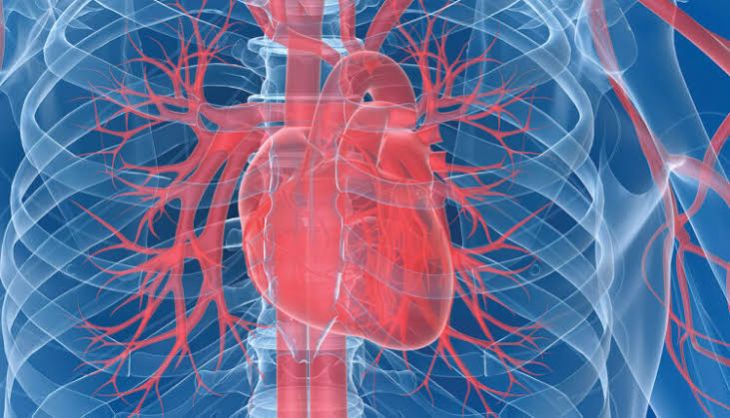
Curcuminoids have also been studied for their potential role in preventing or slowing the progression of certain chronic diseases. For example, research indicates that curcumin may help protect the cardiovascular system by improving blood vessel function and reducing oxidative damage to heart tissues. In metabolic disorders, curcuminoids may assist in regulating blood sugar levels and reducing inflammation linked to insulin resistance.
Another area of growing interest is the role of curcuminoids in neurological health. Oxidative stress and inflammation are known to contribute to several neurological disorders. Curcuminoids may help protect brain cells from damage by reducing these harmful processes. Some studies suggest that curcumin could support memory, cognitive function, and overall brain health.
Despite their powerful biological activities, curcuminoids face a challenge related to bioavailability. Bioavailability refers to the amount of a substance that enters the bloodstream and becomes available for use by the body. Curcumin, the primary curcuminoid, is not easily absorbed when consumed alone. It is rapidly metabolized and eliminated from the body, which limits its effectiveness.
To overcome this limitation, scientists have explored methods to improve curcuminoid absorption. One of the most common approaches is combining curcumin with piperine, a compound found in black pepper. Piperine significantly increases the absorption of curcumin in the digestive system. Other methods include the use of nanoparticles, liposomal formulations, and curcumin complexes that enhance its stability and bioavailability.
In addition to scientific research, the traditional use of turmeric in cooking may also improve curcuminoid absorption. Curcumin is fat-soluble, meaning it dissolves better in fats than in water. When turmeric is cooked with oils or dairy products, curcuminoids become more easily absorbed by the body. This may explain why turmeric has been an effective dietary component in traditional cuisines for centuries.
Modern medicine and pharmaceutical research continue to investigate the therapeutic potential of curcuminoids. Their ability to interact with multiple biological targets makes them promising candidates for drug development and disease prevention strategies. While more clinical studies are needed to fully confirm their benefits, the existing evidence strongly supports the health-promoting properties of curcuminoids.
In conclusion, curcuminoids play a central role in the biological activity of turmeric. These natural compounds are responsible for many of the spice’s therapeutic effects, including antioxidant, anti-inflammatory, antimicrobial, and immune-supporting functions. Curcumin, demethoxycurcumin, and bisdemethoxycurcumin work together to influence various molecular pathways in the body, contributing to turmeric’s wide range of health benefits. As research continues to explore their mechanisms and applications, curcuminoids remain an important focus in the study of natural medicinal compounds and their potential contributions to modern healthcare.