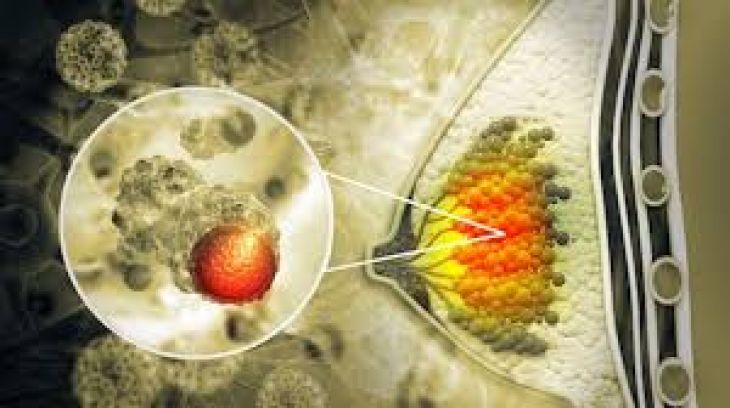
Microbiome and Cancer: How Gut Bacteria Influence Tumor Growth
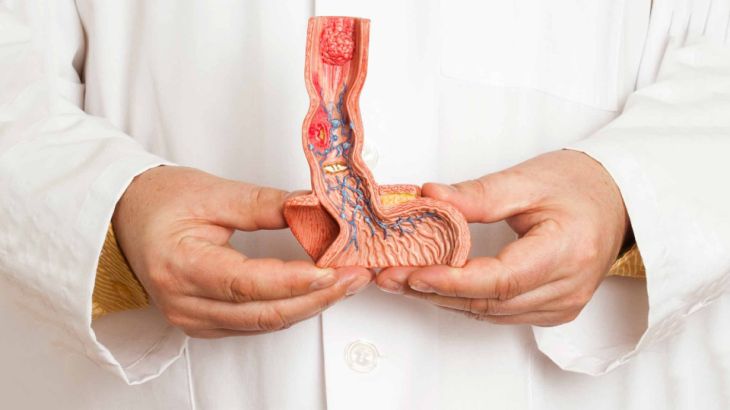
The human body is home to trillions of microorganisms, including bacteria, viruses, fungi, and other microscopic life forms. Collectively, these organisms form what scientists call the microbiome. One of the most important microbiomes in the body is found in the digestive system, particularly in the intestines. This community of gut bacteria plays a vital role in digestion, immune function, and overall health. In recent years, researchers have discovered that the gut microbiome may also influence the development and progression of cancer.
For many years, cancer research focused mainly on genetic mutations and environmental factors such as smoking, radiation, or chemical exposure. While these elements remain important, scientists now recognize that the microorganisms living inside the body can also affect how cancer develops and responds to treatment. The gut microbiome interacts with the immune system, regulates inflammation, and produces substances that may either protect against cancer or promote tumor growth.
The gut contains thousands of different bacterial species that exist in a delicate balance. When this balance is healthy, the microbiome supports digestion, produces essential nutrients, and strengthens immune defenses. However, when the microbial balance becomes disrupted—a condition known as dysbiosis—it can lead to various health problems, including chronic inflammation and metabolic disorders. Increasing evidence suggests that dysbiosis may also contribute to cancer risk.
One way gut bacteria influence cancer is through their role in inflammation. Certain harmful bacteria can produce toxins or stimulate immune responses that cause long-term inflammation in the intestinal lining. Chronic inflammation may damage cells and increase the likelihood of genetic mutations. Over time, this environment may allow abnormal cells to grow and eventually form tumors.
Another mechanism involves the production of metabolic compounds. Some gut bacteria break down dietary components into chemicals that affect the body’s biological processes. While many of these substances are beneficial, others may be harmful. For example, certain bacteria can convert components of food into carcinogenic compounds that may damage DNA or disrupt normal cell functions.
On the other hand, many beneficial bacteria produce substances that protect against cancer. These microbes help maintain the integrity of the intestinal barrier, reduce inflammation, and support immune responses that identify and destroy abnormal cells. This demonstrates that the microbiome can play both protective and harmful roles depending on its composition.
Researchers have identified several important ways in which gut bacteria influence cancer development and tumor growth:
- Regulating immune system responses that detect and eliminate abnormal cells.
- Producing inflammatory or anti-inflammatory substances.
- Breaking down dietary components into chemicals that affect cell behavior.
- Maintaining the integrity of the intestinal barrier to prevent harmful substances from entering the bloodstream.
- Influencing hormone metabolism and cellular signaling pathways.
- Modifying how the body responds to cancer treatments such as chemotherapy or immunotherapy.
One of the most exciting discoveries in this field is the connection between the microbiome and cancer treatment effectiveness. Studies have shown that certain gut bacteria can improve the body’s response to immunotherapy, a treatment that stimulates the immune system to attack cancer cells. Patients with diverse and balanced gut microbiomes often respond better to these therapies than those with disrupted microbial communities.
This relationship occurs because gut bacteria communicate with immune cells. Beneficial microbes can stimulate immune pathways that enhance the body’s ability to recognize and attack cancer cells. Conversely, an unhealthy microbiome may weaken immune responses and reduce the effectiveness of treatment.
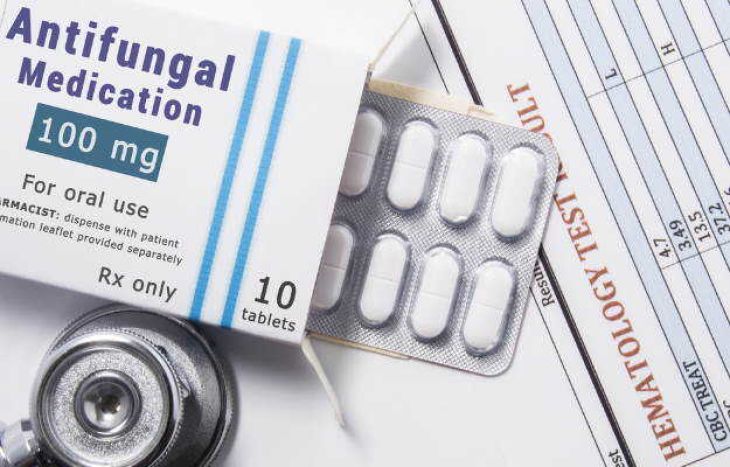
The microbiome may also influence how the body processes cancer drugs. Some bacteria can break down medications or alter their chemical structure before they are absorbed into the bloodstream. This means that the types of bacteria present in the gut can affect how well certain treatments work. Scientists are now exploring ways to modify the microbiome to improve drug effectiveness and reduce side effects.
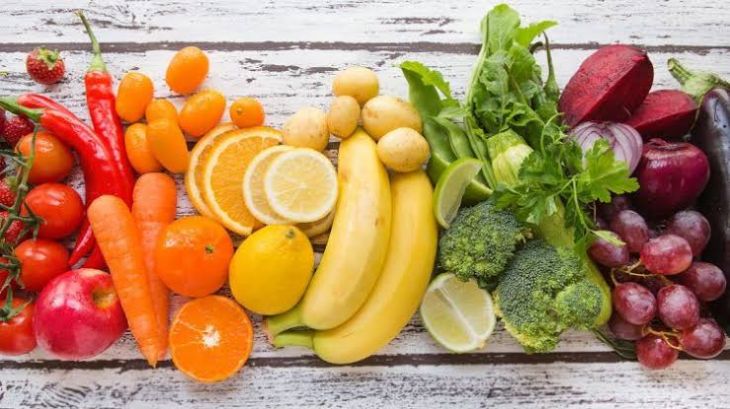
Diet plays a major role in shaping the composition of the gut microbiome. Foods rich in fiber, fruits, vegetables, and whole grains tend to support the growth of beneficial bacteria. These bacteria produce short-chain fatty acids, which help reduce inflammation and maintain healthy intestinal cells. In contrast, diets high in processed foods, sugar, and unhealthy fats may promote the growth of harmful bacteria that contribute to inflammation and metabolic imbalance.
Antibiotic use can also influence the microbiome. While antibiotics are essential for treating bacterial infections, they may disrupt the balance of gut bacteria by eliminating both harmful and beneficial species. Repeated or unnecessary use of antibiotics may reduce microbial diversity, potentially affecting immune function and increasing susceptibility to disease.
Another promising area of research involves microbiome-based therapies. Scientists are studying whether probiotics, prebiotics, or dietary interventions can help restore healthy microbial balance and reduce cancer risk. Probiotics contain beneficial bacteria, while prebiotics provide nutrients that support their growth. These strategies aim to create an environment within the gut that supports protective microbial activity.
In addition, researchers are investigating fecal microbiota transplantation (FMT), a procedure in which healthy bacteria from a donor are transferred into the digestive system of a patient. This approach has already been successful in treating certain intestinal infections and may eventually play a role in improving cancer treatment outcomes.
Despite these exciting discoveries, the relationship between the microbiome and cancer is complex. Not all bacterial species have been fully studied, and the interactions between microbes, human cells, and the immune system are extremely intricate. More research is needed to understand exactly how different bacterial communities influence cancer development and progression.
Nevertheless, the growing body of evidence highlights the importance of maintaining a healthy gut environment. Lifestyle choices such as balanced nutrition, regular physical activity, and responsible use of medications can help support a diverse and stable microbiome. These factors may contribute not only to digestive health but also to long-term disease prevention.
In conclusion, the gut microbiome plays a significant role in influencing cancer risk and tumor growth through its interactions with the immune system, inflammation, metabolism, and cellular signaling. A balanced community of beneficial bacteria can support protective mechanisms within the body, while microbial imbalance may contribute to conditions that promote cancer development. As scientific understanding of the microbiome continues to expand, it may open new possibilities for cancer prevention, early detection, and innovative treatment strategies that harness the power of beneficial microorganisms.