Importance of Vitamin B12 in DNA Synthesis and Cell Division
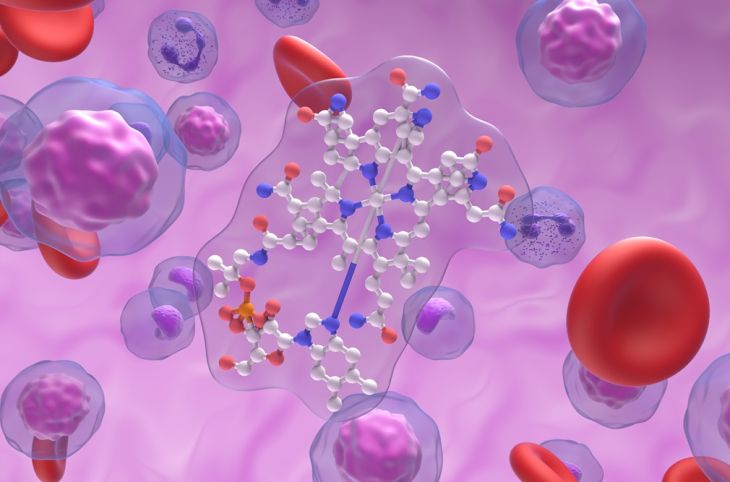
Vitamin B12 is one of the most essential nutrients required by the human body, yet it is often overlooked until a deficiency appears. Also known as cobalamin, Vitamin B12 plays a major role in maintaining nerve health, producing red blood cells, supporting brain function, and most importantly, helping with DNA synthesis and cell division. These two biological processes are at the center of growth, repair, and survival. Without proper DNA formation and healthy cell division, the body cannot function efficiently. Every second, millions of cells are created, replaced, or repaired, and Vitamin B12 acts as a key nutrient behind this continuous process.
DNA, or deoxyribonucleic acid, is the genetic material found in every cell. It carries the instructions that control growth, development, and reproduction. Whenever the body creates new cells, it must first copy DNA accurately so the new cells receive the correct genetic information. This is where Vitamin B12 becomes highly important. It supports the chemical reactions needed to produce DNA and ensures that cells divide properly.
Vitamin B12 works closely with folate, another B-vitamin, in a process known as one-carbon metabolism. In simple terms, this process helps create the building blocks needed for DNA. If Vitamin B12 levels are low, folate may become trapped in a form the body cannot use effectively. As a result, DNA production slows down, and new cells may become abnormal or fail to develop correctly.
This connection between Vitamin B12 and DNA synthesis is especially important in tissues where cells divide rapidly. Certain parts of the body constantly need fresh cells, such as the bone marrow, digestive lining, skin, and reproductive tissues. These areas are highly sensitive to Vitamin B12 deficiency because they depend on quick and accurate cell production.
How Vitamin B12 Supports Cell Division
Cell division is the process by which one cell splits into two new cells. This happens for growth, healing, and replacing old or damaged cells. Before division can occur, the cell must duplicate its DNA. If the DNA is incomplete or faulty, cell division becomes disrupted.
Vitamin B12 contributes to this process in several ways:
-
Helps convert nutrients into usable forms needed for DNA building
-
Supports normal folate function during DNA replication
-
Ensures healthy maturation of new cells
-
Reduces the risk of defective cell formation
-
Assists in producing red blood cells in bone marrow
-
Supports tissue repair and regeneration
When these functions are carried out properly, the body can maintain healthy organs, balanced blood production, and normal development.
Role in Red Blood Cell Formation
One of the clearest examples of Vitamin B12’s role in cell division can be seen in red blood cell production. Red blood cells are made in the bone marrow through rapid cell division. If Vitamin B12 is lacking, these cells cannot divide normally. Instead of forming healthy, mature cells, the bone marrow produces unusually large and immature red blood cells.
This condition is known as megaloblastic anemia. People with this disorder may experience tiredness, weakness, shortness of breath, pale skin, and reduced concentration. These symptoms occur because the abnormal blood cells cannot carry oxygen efficiently. In many cases, restoring Vitamin B12 levels improves blood cell production and energy levels.
Importance During Growth and Pregnancy
Vitamin B12 becomes even more important during periods of rapid growth, such as infancy, childhood, adolescence, and pregnancy. During these stages, the body needs intense cell division to form new tissues and organs. In pregnancy, the developing baby depends on proper DNA synthesis for healthy brain, spinal cord, and organ formation.
A deficiency during pregnancy may increase the risk of developmental problems, poor growth, or complications for both mother and baby. This is why adequate intake of Vitamin B12 is strongly recommended, especially for women planning pregnancy or expecting a child.
Children also require enough Vitamin B12 for healthy development. Since growth involves continuous cell multiplication, a shortage can affect energy, learning ability, appetite, and physical progress over time.
Effects of Vitamin B12 Deficiency
When the body does not receive enough Vitamin B12, the impact may develop slowly. Because the liver stores some Vitamin B12, symptoms may take months or even years to appear. However, once stores are depleted, DNA synthesis and cell division begin to suffer.
Common effects of deficiency include:
-
Fatigue and weakness
-
Megaloblastic anemia
-
Slow healing and poor tissue repair
-
Memory issues or poor concentration
-
Tingling or numbness in hands and feet
-
Mood changes
-
Pale skin
-
Digestive discomfort
The nervous system can also be affected because Vitamin B12 helps maintain protective nerve coverings. In severe cases, nerve damage may become long-lasting if not treated in time.
Sources of Vitamin B12
Vitamin B12 is naturally found mainly in animal-based foods. Good dietary sources include meat, fish, eggs, milk, cheese, and yogurt. Some breakfast cereals, plant milks, and nutritional yeast products are fortified with Vitamin B12, making them useful for vegetarians and vegans.
Certain groups are more likely to develop deficiency, including:
-
Older adults
-
Strict vegetarians or vegans without supplementation
-
People with digestive disorders
-
Individuals who have had stomach or intestinal surgery
-
Those with poor nutrient absorption
For such individuals, doctors may recommend supplements or Vitamin B12 injections depending on the cause of deficiency.
Conclusion
Vitamin B12 is far more than just another nutrient. It is a vital component in the body’s ability to create DNA and carry out healthy cell division. These processes are essential for producing blood cells, repairing tissues, supporting growth, and maintaining overall health. Without enough Vitamin B12, the body struggles to generate normal cells, leading to fatigue, anemia, and other serious health concerns. By eating a balanced diet or using supplements when needed, people can protect their Vitamin B12 levels and support the fundamental biological functions that keep the body strong and active.