Can Cancer Develop Due to Environmental Change
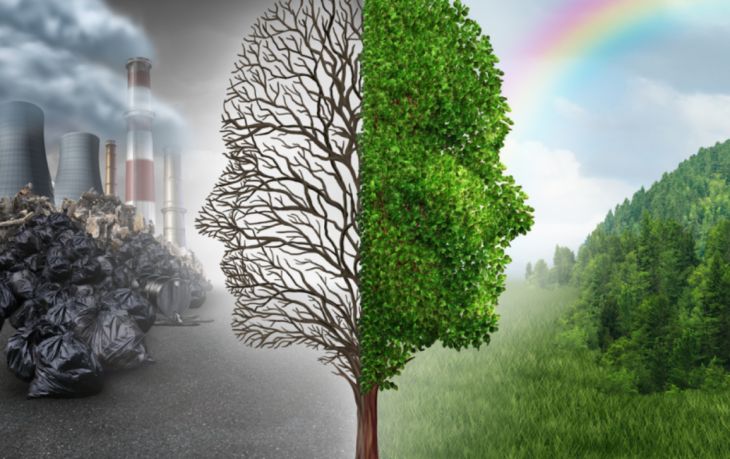
Cancer is often described as a disease of genes, but genes do not function in isolation. They interact constantly with the environment around us. Environmental change—whether gradual or sudden—can influence the risk of developing cancer by altering the conditions in which our cells live and function. From air pollution and climate change to industrial chemicals and radiation exposure, shifts in our surroundings can play a significant role in shaping cancer risk over time.
At the cellular level, cancer begins when DNA inside a cell becomes damaged and the body fails to repair it properly. This damage can disrupt the normal controls that regulate cell growth, division, and death. While some DNA mutations occur naturally during aging, environmental factors can increase the frequency and severity of such mutations. When environmental exposures persist over years, they may create biological stress that promotes abnormal cell growth.
One of the most studied environmental contributors to cancer is air pollution. Industrial emissions, vehicle exhaust, and burning fossil fuels release harmful particles and chemicals into the atmosphere. When inhaled, these pollutants can penetrate deep into lung tissue and even enter the bloodstream. Certain airborne substances, such as fine particulate matter and toxic compounds, are known to cause inflammation and DNA damage. Chronic inflammation, in turn, creates an environment where cells are more likely to mutate and grow uncontrollably.
Water contamination is another environmental concern. Industrial waste, agricultural runoff, and improper disposal of chemicals can introduce carcinogenic substances into drinking water sources. Long-term exposure to contaminated water may increase the risk of cancers affecting the digestive system, bladder, or liver. In many regions, environmental regulation plays a critical role in minimizing such risks, but rapid urbanization and climate-driven changes in water systems can complicate these efforts.
Climate change is increasingly being examined as an indirect contributor to cancer risk. Rising global temperatures can intensify air pollution, increase the frequency of wildfires, and alter patterns of infectious diseases. Extreme heat can also worsen ozone formation at ground level, contributing to respiratory stress. Additionally, climate-related disruptions may affect food safety, leading to increased exposure to natural toxins produced by fungi or bacteria under warmer conditions.
Radiation exposure is another environmental factor with a clear connection to cancer development. While natural background radiation is unavoidable, higher levels—whether from medical imaging, occupational exposure, or nuclear accidents—can damage DNA directly. Ionizing radiation has enough energy to break chemical bonds in DNA strands, potentially triggering mutations that initiate cancer.
Environmental changes can also alter patterns of exposure to infectious agents linked to cancer. For example, shifts in climate may influence the spread of viruses or parasites that are known to increase cancer risk. Changes in land use and population density can further affect transmission dynamics, increasing exposure in certain communities.
Key environmental factors that may contribute to cancer development include:
Air pollution from industrial and vehicle emissions.
Contaminated drinking water containing harmful chemicals.
Increased exposure to radiation from natural or artificial sources.
Climate change effects such as extreme heat and wildfire smoke.
Occupational exposure to hazardous substances.
Environmental toxins in soil, food, or consumer products.
Occupational environments deserve special attention. Workers in industries such as mining, construction, manufacturing, and agriculture may encounter chemicals or materials that elevate cancer risk. As industries expand or regulations change, exposure patterns may shift, influencing cancer rates in specific populations. Protective measures, monitoring systems, and policy enforcement are essential to reduce these risks.
Urbanization is another dimension of environmental change. Rapidly growing cities often experience higher levels of pollution, increased traffic congestion, and limited green spaces. Dense urban environments can also concentrate exposure to industrial waste and secondhand smoke. While cities provide access to healthcare and education, unmanaged growth can increase environmental stressors linked to disease.
Food systems are also influenced by environmental shifts. Changes in agricultural practices, pesticide use, and food processing methods may affect exposure to chemical residues. Although safety standards exist, improper regulation or overuse of certain substances may pose long-term risks. Furthermore, environmental degradation can influence nutritional quality, indirectly affecting the body’s ability to repair DNA and maintain immune defenses.
It is important to recognize that environmental factors rarely act alone. Cancer development usually results from a combination of genetic susceptibility and environmental exposure. Two individuals exposed to the same pollutant may experience different outcomes depending on their inherited genetic makeup, lifestyle habits, immune strength, and overall health.
Public health initiatives aim to reduce environmental cancer risks through regulations, monitoring programs, and awareness campaigns. Clean air policies, safe water standards, waste management systems, and occupational safety laws are examples of preventive strategies. Scientific research continues to identify new environmental carcinogens and evaluate their impact on human health.
While not all environmental changes directly cause cancer, many can influence conditions that increase risk over time. The effects are often gradual and cumulative rather than immediate. Because cancer typically develops over years or decades, identifying precise environmental causes can be complex. Nevertheless, strong evidence links certain exposures to increased cancer incidence.
Individuals can take practical steps to reduce personal risk. Avoiding tobacco smoke, using protective equipment in hazardous workplaces, choosing safe drinking water sources, maintaining indoor air quality, and supporting environmental conservation efforts all contribute to lowering exposure. Community-level advocacy for clean energy and pollution control also plays an important role.
In conclusion, cancer can indeed develop in response to environmental change, particularly when those changes increase exposure to harmful substances or biological stressors. Environmental factors such as pollution, radiation, contaminated resources, and climate-driven disruptions can damage DNA or promote chronic inflammation, setting the stage for abnormal cell growth. While genetics influence individual vulnerability, environmental conditions shape the context in which those genes operate. Understanding and addressing environmental risks is essential not only for cancer prevention but also for promoting healthier ecosystems and communities for future generations.