How Each treatment like chemotherapy, radiation and surgery really work
When someone is diagnosed with cancer, one of the first questions they ask is how the treatment will actually work inside the body. Cancer treatments are not random or mysterious procedures; each one is based on scientific principles aimed at removing, destroying, or controlling abnormal cells. Among the most common and time-tested approaches are surgery, chemotherapy, and radiation therapy. While they share the same goal—eliminating cancer—the way they function at the biological level is very different.
To understand how these treatments work, it is helpful to first recall what makes cancer dangerous. Cancer cells divide uncontrollably, ignore signals to stop growing, and sometimes spread to distant organs. Treatments are designed to either physically remove these cells or disrupt the processes that allow them to multiply.
Surgery: Physically Removing the Disease
Surgery is often the oldest and most direct form of cancer treatment. Its primary purpose is to physically remove the tumor from the body. This approach works best when the cancer is localized, meaning it has not spread far beyond its original site.
During surgery, a surgeon removes the tumor along with a margin of surrounding healthy tissue. This margin ensures that microscopic cancer cells left behind are minimized. In some cases, nearby lymph nodes are also removed to check whether the disease has started to spread.
At a biological level, surgery does not kill cancer cells in the same way drugs or radiation do. Instead, it eliminates the bulk of cancerous tissue in one procedure. By removing the primary tumor, surgery can:
Reduce the number of cancer cells in the body dramatically.
Prevent further invasion into nearby tissues.
Lower the risk of metastasis if performed early.
Improve the effectiveness of additional treatments like chemotherapy or radiation.
Surgery can sometimes be curative, especially when the cancer is detected early. In more advanced cases, it may still be used to relieve symptoms, such as removing a tumor that is blocking an organ or causing pain.
Chemotherapy: Targeting Rapidly Dividing Cells
Chemotherapy involves the use of powerful drugs designed to destroy cancer cells or stop them from multiplying. Unlike surgery, which focuses on a specific area, chemotherapy works throughout the entire body. This makes it especially useful when cancer has spread or when microscopic cancer cells may be circulating in the bloodstream.
At the cellular level, chemotherapy targets one key characteristic of cancer cells: rapid division. Cancer cells grow and divide much faster than most normal cells. Chemotherapy drugs interfere with the cell cycle, which is the process cells go through to replicate their DNA and divide.
Different chemotherapy drugs work in different ways:
Some damage the DNA of cancer cells, preventing them from copying genetic material correctly.
Others block enzymes needed for cell division.
Certain drugs interfere with structures inside the cell that pull chromosomes apart during replication.
When cancer cells cannot divide properly, they either stop growing or die through a process called apoptosis, or programmed cell death.
However, chemotherapy does not exclusively target cancer cells. Some normal cells in the body also divide quickly, such as those in hair follicles, the digestive tract, and bone marrow. This explains common side effects like hair loss, nausea, and lowered immunity. Despite these challenges, chemotherapy remains a powerful tool because it can reach cancer cells that surgery cannot physically remove.
Radiation Therapy: Destroying Cancer with Energy
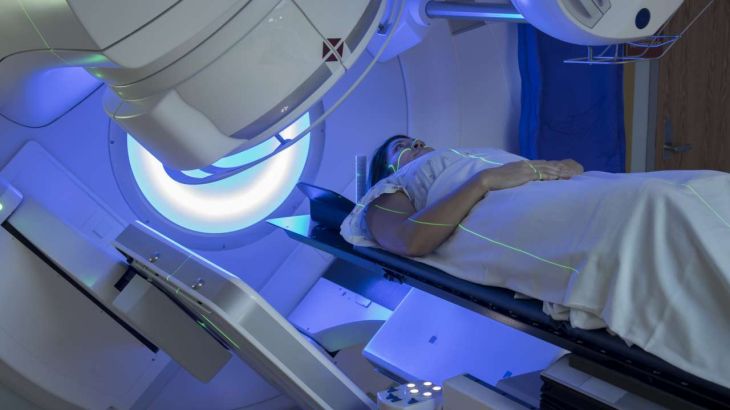
Radiation therapy uses high-energy beams, such as X-rays or protons, to kill cancer cells. Unlike chemotherapy, radiation is usually targeted to a specific area of the body. The goal is to damage the DNA inside cancer cells so severely that they can no longer grow or divide.
At the microscopic level, radiation works by ionizing molecules within cells. This ionization creates free radicals—highly reactive particles that damage DNA strands. When the DNA is broken beyond repair, the cancer cell loses its ability to replicate and eventually dies.
Radiation therapy is carefully planned to maximize damage to cancer cells while minimizing harm to surrounding healthy tissue. Modern technology allows doctors to shape and direct radiation beams with remarkable precision. Treatments are typically given over multiple sessions. This approach allows normal cells time to repair themselves between exposures, while cancer cells, which are less efficient at repair, accumulate lethal damage.
Radiation may be used:
As the main treatment for localized tumors.
After surgery to destroy remaining cancer cells.
Before surgery to shrink tumors.
To relieve symptoms in advanced cancer cases.
How Treatments Work Together
In many cases, these treatments are not used alone. Instead, they are combined in what is called multimodal therapy. Each treatment addresses cancer from a different angle. For example, surgery may remove the visible tumor, chemotherapy may eliminate hidden cancer cells throughout the body, and radiation may target any remaining localized cells.
This combined approach increases the likelihood of complete control or cure. It also reduces the chance of recurrence, which occurs when cancer returns after treatment.
Why Timing and Personalization Matter
The effectiveness of chemotherapy, radiation, and surgery depends on several factors, including the type of cancer, its stage, and the patient’s overall health. Early-stage cancers are often more responsive to surgery, while advanced cancers may require systemic treatment like chemotherapy. Technological advances and genetic testing now allow treatments to be tailored to the unique characteristics of an individual’s tumor.
It is also important to understand that these treatments do not work instantly. Cancer cells may die gradually, and tumors often shrink over weeks or months. The body then clears away the damaged cells through natural immune and waste removal processes.
Conclusion
Chemotherapy, radiation therapy, and surgery each fight cancer in distinct but complementary ways. Surgery removes tumors physically, chemotherapy disrupts the internal machinery of rapidly dividing cells throughout the body, and radiation damages cancer cell DNA using focused energy. While each method has its own benefits and challenges, all are grounded in a deep understanding of how cancer cells grow and survive.
Together, these treatments represent decades of scientific progress. By targeting cancer at both the visible and microscopic levels, they offer patients multiple pathways toward recovery, control, and improved quality of life.