Anti-Inflammatory Effects of Turmeric in the Human Body
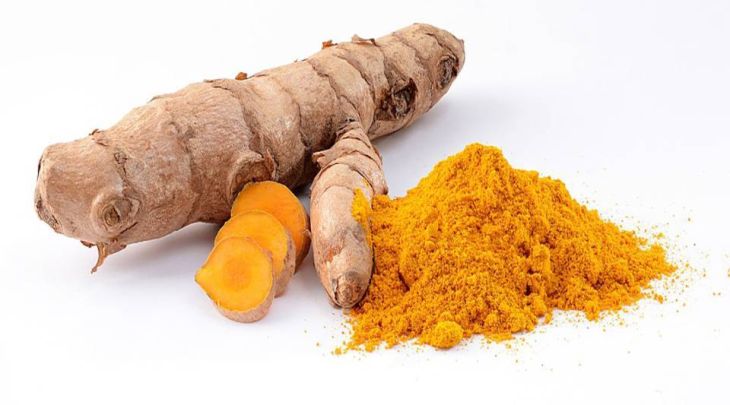
Turmeric, commonly known as haldi, is a golden-yellow spice obtained from the rhizome of the plant Curcuma longa. It has been widely used for centuries in cooking, traditional medicine, and natural healing practices, particularly in South Asian cultures. Apart from adding flavor and color to food, turmeric is well known for its health-promoting properties. Among its many benefits, one of the most important is its anti-inflammatory effect on the human body. Modern scientific research has increasingly focused on turmeric because of its potential to reduce inflammation and support overall health.
Inflammation is a natural defense mechanism of the body. When the body encounters infection, injury, or harmful substances, the immune system responds by sending protective cells and chemicals to the affected area. This process leads to symptoms such as redness, swelling, heat, and pain. In the short term, inflammation is beneficial because it helps the body heal and fight infections. However, when inflammation becomes chronic and persists for long periods, it can contribute to the development of various diseases.
Chronic inflammation has been linked to many health conditions, including arthritis, cardiovascular diseases, diabetes, obesity, and certain types of cancer. Therefore, managing inflammation is an important part of maintaining good health. Natural substances that can regulate inflammatory processes are gaining attention, and turmeric is one of the most promising examples.
The anti-inflammatory properties of turmeric mainly come from its active compound called curcumin. Curcumin is a natural polyphenol responsible for the bright yellow color of turmeric. It interacts with various biological molecules and cellular pathways involved in inflammation. By influencing these pathways, curcumin helps reduce excessive inflammatory responses in the body.
One of the key mechanisms by which curcumin reduces inflammation is by inhibiting certain molecules known as inflammatory mediators. These molecules include cytokines, enzymes, and transcription factors that trigger and maintain inflammatory reactions. Curcumin has been shown to block the activity of several inflammatory molecules, preventing them from producing excessive inflammatory signals.
Another important factor in inflammation is the enzyme cyclooxygenase (COX), which plays a role in producing chemicals that promote pain and swelling. Curcumin can inhibit the activity of this enzyme, thereby reducing inflammation and discomfort. This effect is similar to that of some anti-inflammatory medications, although turmeric works through natural biochemical pathways.
Curcumin also influences a protein complex known as NF-κB (nuclear factor kappa B), which acts as a key regulator of inflammation in the body. When activated, NF-κB triggers the expression of genes that produce inflammatory molecules. Curcumin has the ability to suppress the activation of this protein, helping to control the inflammatory response and maintain balance in the immune system.
Apart from directly blocking inflammatory signals, turmeric also acts as a powerful antioxidant. During inflammation, the body produces unstable molecules called free radicals. These molecules can damage cells and tissues if they accumulate in large amounts. Curcumin neutralizes free radicals, protecting cells from oxidative stress and further reducing inflammation.
The anti-inflammatory effects of turmeric provide several potential health benefits. Some of the major roles of turmeric in reducing inflammation include:
-
Reducing joint inflammation, which may help relieve symptoms of arthritis and joint pain.
Protecting heart health by lowering inflammation associated with cardiovascular diseases. -
Supporting digestive health by reducing inflammation in the gastrointestinal tract.
Improving immune system balance, helping the body respond appropriately to infections. -
Reducing inflammation in metabolic disorders, such as obesity and insulin resistance.
Protecting brain cells from inflammation linked to neurological conditions.
One area where turmeric’s anti-inflammatory properties have been widely studied is joint health. Inflammatory joint conditions such as osteoarthritis and rheumatoid arthritis cause pain, stiffness, and reduced mobility. Research suggests that curcumin may help reduce joint inflammation and improve movement by suppressing inflammatory molecules. Some studies have shown that curcumin supplements may provide relief similar to certain anti-inflammatory drugs, although further clinical research is still ongoing.
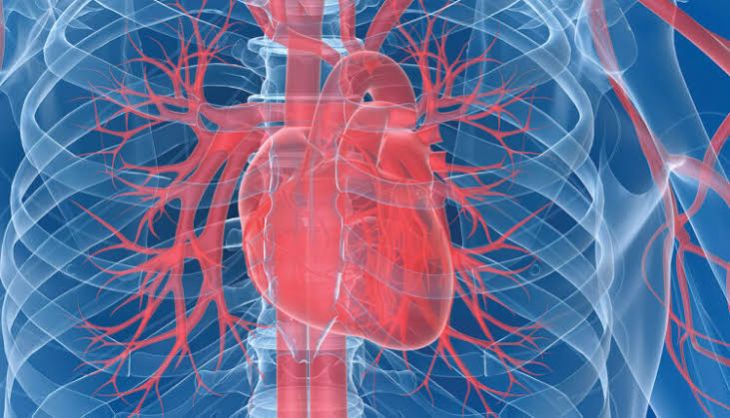
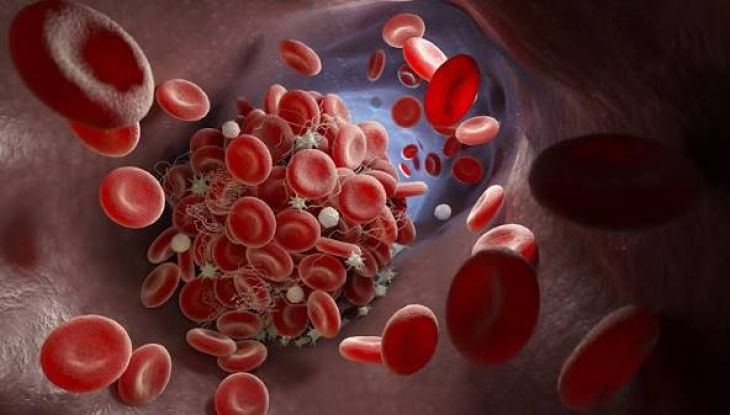
Turmeric also plays an important role in cardiovascular health. Chronic inflammation contributes to the development of atherosclerosis, a condition in which fatty deposits accumulate in blood vessels. Curcumin helps reduce inflammation in blood vessels and may improve the function of the endothelium, the thin layer of cells that lines the inside of arteries. Healthy endothelial function is essential for maintaining proper blood flow and preventing heart-related complications.
Another important benefit of turmeric’s anti-inflammatory action is its potential effect on digestive health. Inflammatory conditions of the digestive system, such as inflammatory bowel disease, can cause severe discomfort and digestive problems. Curcumin may help reduce inflammation in the intestinal lining, thereby supporting gut health and improving digestive function.
The immune system also benefits from turmeric’s anti-inflammatory properties. A balanced immune response is essential for protecting the body from infections while avoiding excessive inflammation. Curcumin helps regulate immune cells and signaling molecules, allowing the immune system to function efficiently without causing unnecessary tissue damage.
Despite its many benefits, curcumin has a limitation related to bioavailability. When consumed alone, curcumin is not easily absorbed into the bloodstream. As a result, only a small amount may reach the tissues where it is needed. Scientists have found that combining turmeric with black pepper significantly improves curcumin absorption. Black pepper contains a compound called piperine, which enhances the bioavailability of curcumin and allows the body to utilize it more effectively.
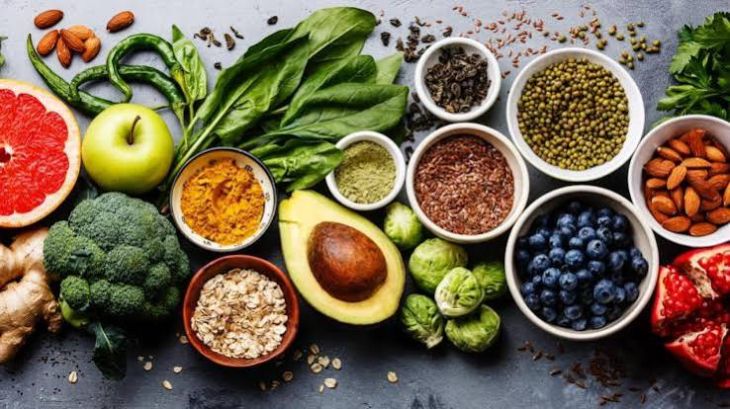
Turmeric is commonly consumed in various forms, including powdered spice, herbal drinks, capsules, and extracts. Traditional preparations such as turmeric milk and turmeric tea are popular natural remedies used to support immunity and reduce inflammation. However, while turmeric is generally considered safe, excessive consumption may cause mild digestive discomfort in some individuals.
In conclusion, turmeric is a powerful natural substance with remarkable anti-inflammatory properties. Its active compound curcumin interacts with multiple biological pathways to reduce inflammation, neutralize free radicals, and support immune balance. By controlling excessive inflammatory responses, turmeric may help protect the body from several chronic diseases and promote overall well-being. As scientific research continues to explore its therapeutic potential, turmeric remains one of the most promising natural compounds for managing inflammation and supporting human health.