How Cancer Actually Starts at the Cellular Level
Cancer is often described as a disease of uncontrolled growth, but at its core, it begins with subtle changes inside a single cell. The human body is made up of trillions of cells that grow, divide, and die in a carefully regulated manner. This balance ensures proper development, tissue repair, and overall health. Cancer begins when this balance is disrupted due to changes in the genetic material of a cell, causing it to multiply uncontrollably and evade normal biological controls.
At the cellular level, every function of a cell is directed by its DNA. DNA contains genes that act as instructions for producing proteins responsible for growth, repair, communication, and self-destruction. Under normal conditions, cells follow a structured cycle known as the cell cycle, which includes phases for growth, DNA replication, and division. This cycle is tightly monitored by internal checkpoints. If damage is detected, the cell either repairs the issue or undergoes programmed cell death, a process called apoptosis.
Cancer starts when mutations occur in the DNA. A mutation is a permanent alteration in the genetic sequence. These mutations may arise from internal factors such as errors during DNA replication or from external influences such as radiation, tobacco smoke, harmful chemicals, or certain viruses. Over time, if these mutations accumulate in critical genes, they can interfere with the cell’s ability to regulate itself.
These are some biological and clinical Reasons, as follows:-
Proto-oncogenes: These genes normally promote cell growth and division. When mutated, they become oncogenes that push the cell to divide excessively.
Tumor suppressor genes: These genes act as brakes, slowing down cell division or triggering repair and apoptosis. When they are damaged, cells lose an important control mechanism.
DNA repair genes: These genes fix errors that occur during DNA replication. When they fail, mutations accumulate rapidly, increasing cancer risk.
One well-known example of a tumor suppressor gene is the p53 gene, often referred to as the “guardian of the genome.” When functioning properly, it prevents damaged cells from dividing. However, when mutated, it can no longer protect the cell, allowing abnormal growth to continue unchecked.
The transformation from a normal cell to a cancerous one is not immediate. It is a gradual, multistep process. Initially, a cell may acquire a single mutation that gives it a slight growth advantage. As it divides, the mutation is passed to its daughter cells. Over time, additional mutations accumulate, leading to progressively abnormal behavior. Eventually, the cell may gain the ability to ignore growth signals, resist cell death, and replicate indefinitely.
Another critical aspect of cancer development is the disruption of communication between cells. Healthy cells respond to signals from neighboring cells and the surrounding environment. These signals regulate when a cell should grow, rest, or die. Cancer cells, however, often lose sensitivity to these signals. They may produce their own growth signals or block inhibitory signals, allowing them to operate independently.
As cancer cells continue to multiply, they form a mass known as a tumor. Tumors can be benign or malignant. Benign tumors remain localized and generally do not invade nearby tissues. Malignant tumors, which are cancerous, invade surrounding tissues and may spread to distant parts of the body through a process called metastasis. At the cellular level, metastasis begins when cancer cells acquire the ability to break away from the original tumor, invade blood vessels or lymphatic channels, and establish new tumors elsewhere.
Cancer cells also undergo metabolic changes. Normal cells rely on a balanced process of energy production, but many cancer cells shift to a less efficient yet faster method of energy generation. This altered metabolism supports rapid growth and survival in environments where oxygen may be limited.
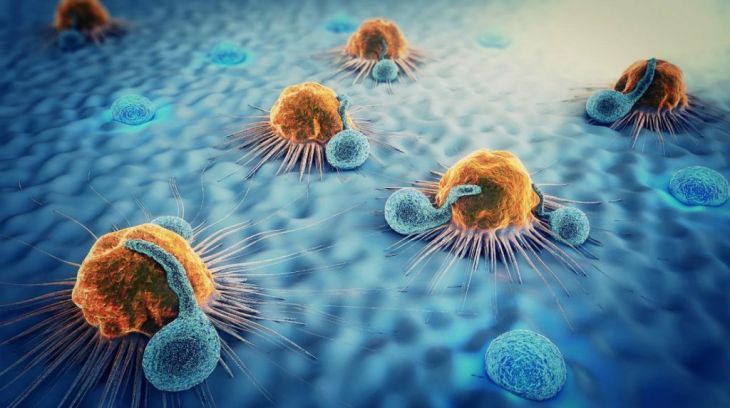
Another defining characteristic of cancer cells is their ability to evade the immune system. The immune system constantly monitors the body for abnormal cells. In many cases, it detects and eliminates cells with dangerous mutations before they cause harm. However, cancer cells can develop mechanisms to hide from immune detection or suppress immune responses, enabling them to survive and expand.
Chronic inflammation can further contribute to the cellular changes that lead to cancer. Inflammatory processes release chemicals that can damage DNA and promote cell proliferation. Over long periods, this environment increases the likelihood of genetic errors and malignant transformation.
Importantly, not all mutations lead to cancer. The body has multiple protective layers to prevent uncontrolled growth. Cancer develops only when several regulatory systems fail simultaneously. This explains why cancer risk increases with age; the longer a person lives, the more opportunities there are for mutations to accumulate.
Lifestyle and environmental factors influence this process significantly. Exposure to ultraviolet radiation can damage DNA in skin cells. Tobacco smoke introduces carcinogens that directly mutate lung cells. Certain infections, such as those caused by specific viruses, can integrate their genetic material into host cells and disrupt normal gene regulation. Inherited genetic mutations can also predispose individuals to certain cancers by compromising key protective genes from birth.
At its essence, cancer is a genetic disease at the cellular level. It begins with damage to DNA, progresses through a series of accumulated mutations, and results in cells that ignore the normal rules governing growth and survival. These altered cells divide uncontrollably, evade death signals, resist immune attack, and may spread throughout the body.
Understanding how cancer starts at the cellular level has transformed modern medicine. It has led to targeted therapies that focus on specific molecular changes within cancer cells rather than simply killing rapidly dividing cells. By identifying the exact mutations driving a particular cancer, treatments can be designed to block those abnormal pathways more precisely.
In conclusion, cancer does not appear suddenly; it develops through a complex and gradual process rooted in genetic changes within individual cells. The breakdown of regulatory mechanisms, accumulation of mutations, and loss of communication and repair systems together give rise to uncontrolled growth. By studying these cellular events in depth, researchers continue to develop better strategies for prevention, early detection, and more effective treatment.