Role of Curcumin and Vitamin B12 in Maintaining Nervous System Health
The nervous system is one of the most complex and essential systems in the human body. It controls movement, sensation, memory, emotions, and communication between organs. Every thought, heartbeat, reflex, and action depends on healthy nerves and proper brain function. To keep this system working efficiently, the body requires a combination of nutrients and protective compounds. Among the many substances studied for nervous system support, curcumin and Vitamin B12 stand out for different but complementary reasons. Curcumin is a natural compound found in turmeric, while Vitamin B12 is an essential nutrient involved in nerve maintenance and cellular function. Together, they highlight how both diet and nutrition can influence neurological health.
Although curcumin and Vitamin B12 are often mentioned in wellness discussions, they do not perform the same tasks. Vitamin B12 is directly required for nerve survival and communication, whereas curcumin is valued for its antioxidant and anti-inflammatory effects that may help protect nervous tissue. Understanding their individual roles helps explain why both are important in maintaining a healthy nervous system.
Importance of the Nervous System
The nervous system includes the brain, spinal cord, and a vast network of nerves spread throughout the body. It sends signals that allow muscles to move, organs to function, and the body to respond to its environment. Because nerve cells are highly specialized, they need constant nourishment and protection.
When nervous system health declines, people may experience symptoms such as weakness, numbness, poor coordination, memory issues, mood changes, or slower reflexes. Proper nutrition can play a major role in reducing these risks and supporting normal nerve activity over time.
Vitamin B12 and Nerve Function
Vitamin B12 is one of the most important vitamins for the nervous system. It helps maintain the myelin sheath, a protective covering that surrounds many nerves. Myelin acts like insulation around electrical wires, allowing nerve signals to travel quickly and accurately. Without enough Vitamin B12, this protective layer can become damaged.
Vitamin B12 also supports DNA synthesis and red blood cell production. Healthy blood cells deliver oxygen to the brain and nerves, while DNA synthesis is necessary for repair and renewal of cells. Because of these functions, Vitamin B12 deficiency can affect both the structure and performance of the nervous system.
Key roles of Vitamin B12 include:
-
Maintaining the protective myelin sheath around nerves
-
Supporting communication between brain and body
-
Assisting in repair of nerve tissues
-
Helping form healthy red blood cells for oxygen supply
-
Supporting memory and concentration
-
Reducing the risk of neurological complications linked to deficiency
A prolonged deficiency may lead to tingling in the hands and feet, numbness, poor balance, confusion, and fatigue. In severe cases, some nerve damage may become difficult to reverse if treatment is delayed.
Curcumin as a Protective Compound
Curcumin is the main active compound in turmeric, a spice widely used in traditional diets and herbal practices. It has attracted scientific attention because of its ability to act as an antioxidant and help regulate inflammatory processes. Since chronic inflammation and oxidative stress are linked with aging and nerve damage, curcumin is often explored for its possible neuroprotective effects.
Unlike Vitamin B12, curcumin is not classified as an essential nutrient. The body does not depend on it for survival in the same direct way. However, it may support long-term wellness by helping create a healthier internal environment for nerve cells.
Potential nervous system benefits of curcumin include:
-
Helping neutralize free radicals that damage cells
-
Supporting the body’s natural response to inflammation
-
Promoting overall brain wellness
-
Supporting healthy aging of nerve tissues
-
Contributing to better stress resilience in some individuals
-
Enhancing dietary variety through plant-based compounds
Its effects are supportive rather than foundational, but they may still be valuable as part of a balanced lifestyle.
How They Work Differently
The biggest difference between curcumin and Vitamin B12 lies in their mode of action. Vitamin B12 has a direct physiological role in maintaining nerves. Without it, normal nerve function can decline. Curcumin, on the other hand, does not replace any required nutrient pathway. Instead, it may help protect tissues from harmful processes such as oxidative stress and prolonged inflammation.
This means Vitamin B12 is necessary to prevent deficiency-related nerve problems, while curcumin may be useful for broader wellness support. They work in separate ways and should not be viewed as substitutes for one another.
Signs of Low Vitamin B12
Because Vitamin B12 is essential, deficiency deserves attention. Symptoms may develop slowly and can sometimes be mistaken for stress or aging.
Common signs include:
-
Tingling or numbness in hands and feet
-
Weakness
-
Difficulty walking or poor balance
-
Memory lapses
-
Mood changes
-
Fatigue
-
Pale skin
-
Trouble concentrating
Anyone experiencing these symptoms should seek medical advice, as early treatment often leads to better recovery.
Food Sources and Daily Use
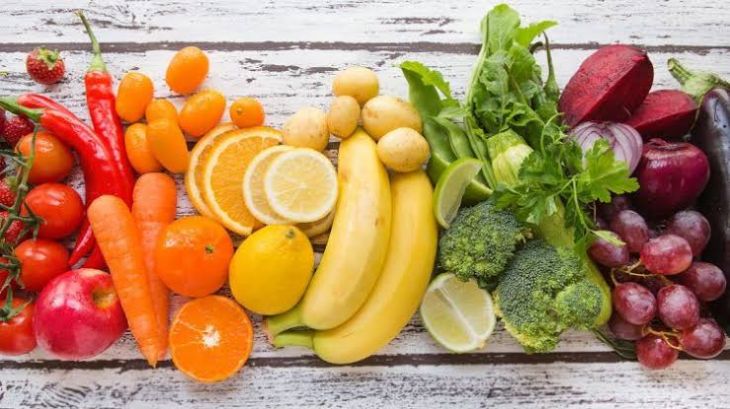
Vitamin B12 is naturally found mainly in animal-based foods such as meat, fish, eggs, milk, yogurt, and cheese. It is also added to some fortified cereals and plant-based beverages. People following vegetarian or vegan diets may need supplements or fortified foods to meet their needs.
Curcumin is obtained through turmeric, which can be used in:
-
Curries
-
Rice dishes
-
Soups
-
Herbal drinks
-
Golden milk
-
Smoothies
-
Marinades
Since curcumin absorption can be limited, turmeric is often consumed with black pepper or healthy fats in traditional cooking methods.
Can They Be Used Together?
Yes, curcumin and Vitamin B12 can be included in the same diet because they serve different purposes. A person might consume Vitamin B12 through eggs or dairy while using turmeric in vegetables or lentil dishes. This combination offers both essential nutrition and plant-based protective compounds.
However, people should remember that curcumin cannot correct a Vitamin B12 deficiency. If B12 levels are low, proper medical treatment or supplementation is needed.
Conclusion
Curcumin and Vitamin B12 both contribute to nervous system health, but in different ways. Vitamin B12 is an essential nutrient directly involved in maintaining nerve structure, signal transmission, and cellular repair. Without it, serious neurological symptoms can develop. Curcumin, while not essential, offers antioxidant and anti-inflammatory support that may help protect the brain and nerves over time. Together, they represent two important aspects of wellness: meeting essential nutrient needs and adding beneficial plant compounds to the diet. By combining a balanced diet with proper nutritional awareness, individuals can better support lifelong nervous system health.