Role of DNA Repair Failure in Cancer Formation
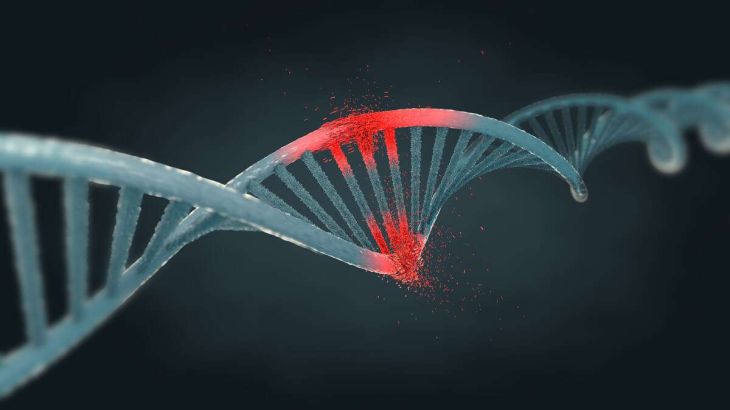
Every cell in the human body contains DNA, the molecule that carries the instructions for how the body grows, functions, and repairs itself. DNA acts like a biological blueprint, guiding cells on when to divide, how to perform specialized tasks, and when to die naturally. However, DNA is constantly exposed to damage from both internal processes and external factors. Under normal conditions, the body has powerful repair systems that detect and correct these errors. When these repair systems fail, the risk of cancer increases significantly.
DNA damage occurs more often than many people realize. Everyday activities such as breathing, digesting food, and normal cellular metabolism can create chemical reactions that harm DNA. Environmental factors like radiation, pollution, tobacco smoke, and harmful chemicals can also damage genetic material. Fortunately, cells have evolved sophisticated DNA repair mechanisms that work continuously to maintain genetic stability.
These repair systems function like highly skilled maintenance teams inside the cell. When DNA is damaged, special proteins recognize the error, remove the faulty section, and rebuild the correct sequence. This process ensures that cells continue to function properly and that harmful mutations do not accumulate. However, if these repair systems become defective due to genetic mutations or other disruptions, DNA errors can begin to accumulate. Over time, this accumulation of mutations can transform normal cells into cancerous ones.
One of the main reasons DNA repair failure contributes to cancer is that damaged DNA can alter genes that control cell growth. Certain genes act as safeguards, preventing uncontrolled cell division. These include tumor suppressor genes, which normally slow down cell growth or trigger cell death when damage is detected. If DNA repair mechanisms fail to correct mutations in these genes, cells may lose their ability to regulate growth.
Similarly, mutations can activate genes known as oncogenes. These genes normally help regulate cell growth in healthy tissue, but when they are altered, they may signal cells to divide continuously. Without proper DNA repair systems, these harmful mutations remain in the genetic code and may be passed on to future generations of cells.
Another critical factor is that damaged DNA can disrupt the processes that normally stop cells from becoming abnormal. Healthy cells have built-in checkpoints that monitor DNA quality before allowing the cell to divide. If damage is detected, the cell usually pauses its cycle so repairs can be completed. However, when DNA repair mechanisms fail, these checkpoints may also malfunction. As a result, cells with defective DNA may continue dividing and spreading the mutations.
There are several different types of DNA repair systems in the body, each designed to fix specific forms of damage. These systems work together to protect the genome from instability. When even one of these systems becomes defective, the risk of cancer may increase dramatically.
Some of the major DNA repair mechanisms include:
Base Excision Repair: This system fixes small chemical changes that occur in individual DNA bases due to oxidation or metabolic processes.
Nucleotide Excision Repair: This pathway removes bulky DNA damage caused by ultraviolet radiation or harmful chemicals.
Mismatch Repair: It corrects mistakes that occur when DNA is copied during cell division.
Double-Strand Break Repair: This mechanism repairs severe DNA breaks that affect both strands of the DNA molecule.
Homologous Recombination Repair: A precise repair system that uses a matching DNA sequence as a template to fix broken strands.
When these repair pathways fail, damaged DNA accumulates faster than the cell can manage. Over time, this genomic instability becomes a driving force behind cancer development. Cells with unstable DNA are more likely to acquire mutations that allow them to grow rapidly, avoid death signals, and invade surrounding tissues.
Inherited genetic conditions also highlight the importance of DNA repair systems in preventing cancer. Some individuals are born with mutations in genes responsible for DNA repair, which significantly increases their cancer risk. For example, defects in certain repair genes are associated with higher chances of developing breast, ovarian, or colorectal cancers. Because these individuals start life with weakened repair systems, their cells accumulate mutations more quickly over time.
In addition to inherited defects, DNA repair failure can also occur due to environmental exposures. Radiation from sunlight or medical imaging, toxic chemicals, and smoking can damage DNA faster than repair systems can handle.
Chronic inflammation in the body can also produce harmful molecules that attack DNA. When these damaging influences persist for long periods, they may overwhelm the body’s repair capacity.
Scientists now recognize that cancer is largely a disease of accumulated genetic errors. DNA repair failure does not usually cause cancer in a single step. Instead, it creates a gradual buildup of mutations across many genes. Each mutation may slightly alter how a cell behaves, and together these changes eventually allow the cell to grow uncontrollably.
Interestingly, the same DNA repair weaknesses that help cancer develop can sometimes be used to treat it. Modern cancer therapies often target defective repair systems within tumor cells. Because cancer cells already struggle with DNA repair, certain treatments can push them beyond their limits. When DNA damage becomes too severe, the cancer cells die while normal cells with intact repair systems survive.
Researchers are also exploring drugs that specifically target tumors with known repair defects. These treatments exploit the cancer cell’s vulnerability by blocking alternative repair pathways, making it impossible for the tumor to fix its damaged DNA. This approach represents a growing area of personalized medicine in cancer treatment.
Another promising direction is improving early detection of DNA repair problems. Genetic testing can sometimes identify individuals who carry inherited mutations in repair genes. With this knowledge, doctors can recommend earlier screening, preventive measures, or lifestyle changes that may reduce cancer risk.
Despite these advances, DNA repair failure remains one of the central challenges in understanding cancer. The complexity of repair systems means that many different genes and molecular pathways are involved. Even small disruptions can have major consequences for cellular stability.
In conclusion, DNA repair systems are essential guardians of genetic integrity. They constantly monitor and correct damage that occurs within our cells, preventing harmful mutations from accumulating. When these systems fail, DNA errors begin to build up, altering genes that control cell growth and survival. Over time, this genetic instability can lead to the formation and progression of cancer. By studying how DNA repair mechanisms work and why they sometimes break down, scientists continue to develop new strategies for preventing, detecting, and treating cancer more effectively.