How Tumors Create Their Own Blood Supply
Cancer is not only a disease of uncontrolled cell growth; it is also a disease of survival and adaptation. For a tumor to grow beyond a very small size, it needs oxygen and nutrients, just like any normal tissue in the body. However, unlike healthy organs that are supplied by an existing network of blood vessels, tumors must find a way to secure their own supply lines. They achieve this through a remarkable biological process known as angiogenesis—the formation of new blood vessels from pre-existing ones.
In normal physiology, angiogenesis is a carefully regulated process. It occurs during wound healing, tissue repair, and growth. For example, when a person suffers an injury, new blood vessels form to help deliver oxygen and immune cells to the damaged area. Once healing is complete, the process slows down and stops. In cancer, however, this system becomes hijacked. Tumor cells manipulate the body’s natural mechanisms, turning on angiogenesis in a continuous and uncontrolled manner.
A tumor begins as a small cluster of abnormal cells. In its earliest stages, it may survive by absorbing oxygen and nutrients from nearby tissues. However, once it grows beyond approximately one to two millimeters in size, diffusion alone is not sufficient to sustain it. At this point, the tumor experiences low oxygen levels, a condition known as hypoxia. Hypoxia acts as a trigger, activating genetic signals that promote the release of substances encouraging blood vessel growth.
One of the key molecules involved in this process is vascular endothelial growth factor (VEGF). When tumor cells detect hypoxia, they produce VEGF and other signaling proteins. These molecules act like chemical messengers, traveling to nearby blood vessels and stimulating them to sprout new branches toward the tumor. Over time, these new vessels infiltrate the tumor mass, supplying it with the oxygen and nutrients necessary for rapid growth.
The process of tumor-induced angiogenesis involves several coordinated steps:
Tumor cells detect low oxygen (hypoxia) within their environment.
They release growth factors such as VEGF to signal nearby blood vessels.
Existing blood vessels respond by forming new branches toward the tumor.
Endothelial cells multiply and migrate to create new vascular channels.
The newly formed vessels integrate into the tumor, providing nutrients and oxygen.
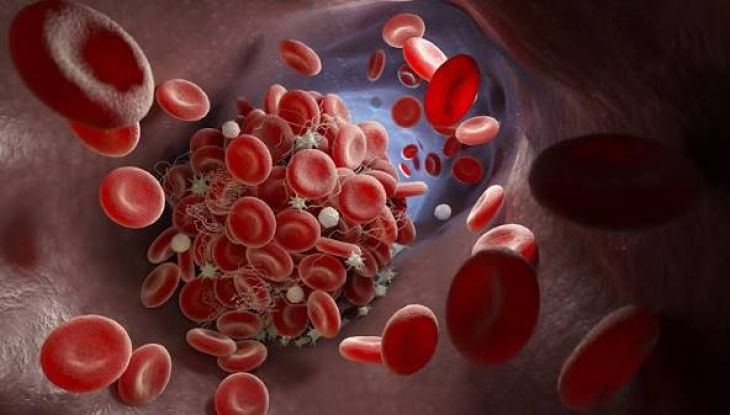
Unlike normal blood vessels, those formed within tumors are often abnormal. They tend to be irregular in shape, disorganized, and leaky. This chaotic structure can make blood flow uneven within the tumor. While these vessels sustain tumor growth, their instability also creates areas of fluctuating oxygen levels. Such instability can promote further genetic mutations, making cancer cells more aggressive and resistant to treatment.
Angiogenesis not only supports tumor growth but also plays a crucial role in metastasis, the spread of cancer to other parts of the body. The newly formed blood vessels provide a pathway for cancer cells to enter the bloodstream. Once in circulation, these cells can travel to distant organs and establish secondary tumors. Therefore, angiogenesis is not merely a supportive process—it is central to cancer progression and its life-threatening potential.
Scientists have long recognized the importance of angiogenesis in cancer development. This understanding has led to the development of anti-angiogenic therapies, which aim to block the signals tumors use to stimulate blood vessel formation. By inhibiting VEGF or other related pathways, these treatments attempt to “starve” the tumor by cutting off its blood supply. Although such therapies do not cure cancer on their own, they can slow tumor growth and enhance the effectiveness of other treatments like chemotherapy and radiation.
However, targeting angiogenesis is not without challenges. Tumors are highly adaptable. If one pathway is blocked, they may activate alternative mechanisms to maintain blood supply. Some tumors can even mimic blood vessels or recruit support from surrounding cells in the tissue environment. This adaptability underscores the complexity of cancer biology and the need for combination therapies.
Research into angiogenesis has also revealed that the tumor microenvironment—the surrounding tissue, immune cells, and structural components—plays an active role in promoting blood vessel growth. Cancer cells do not operate in isolation. They communicate with nearby cells, including immune cells and fibroblasts, encouraging them to release additional growth factors. This cooperative network enhances angiogenesis and strengthens the tumor’s survival capacity.
Interestingly, angiogenesis is not unique to malignant tumors. Benign tumors may also stimulate blood vessel growth, though typically in a more controlled manner. The difference lies in regulation and invasiveness. Malignant tumors exploit angiogenesis more aggressively, enabling rapid expansion and metastasis.
Understanding how tumors create their own blood supply has reshaped cancer research. It highlights the fact that cancer is not just about abnormal cells multiplying, but also about how those cells manipulate their environment. By fostering new blood vessel formation, tumors essentially build an infrastructure system tailored to their needs.
Future research continues to explore innovative ways to disrupt angiogenesis more effectively. Scientists are investigating combination strategies that target multiple signaling pathways simultaneously. Advances in molecular biology and imaging technologies allow researchers to monitor blood vessel formation in real time, improving treatment precision. Personalized medicine approaches may also help determine which patients are most likely to benefit from anti-angiogenic therapies.
In conclusion, angiogenesis is a vital process that enables tumors to grow, survive, and spread. By sensing low oxygen levels and releasing growth factors like VEGF, cancer cells stimulate the formation of new blood vessels that nourish their expansion. These tumor-associated vessels are often abnormal and contribute to metastasis. While therapies targeting angiogenesis have improved cancer management, challenges remain due to tumor adaptability. Continued research into this complex process offers hope for more effective strategies in limiting tumor growth and improving patient outcomes.
Inflammation is a natural and essential defense mechanism of the body. When we experience an injury or infection, inflammation helps eliminate harmful agents, repair damaged tissue, and restore normal function. In its acute form, inflammation is protective and short-lived. However, when inflammation becomes chronic—persisting for months or even years—it can quietly damage tissues and alter cellular behavior. Over time, this prolonged inflammatory state may contribute significantly to the development of cancer.
Chronic inflammation creates a biological environment that favors genetic mutations, uncontrolled cell growth, and tumor progression. While inflammation itself does not directly cause cancer in every case, it acts as a powerful promoter by increasing cellular stress and disrupting normal regulatory processes. Understanding this connection is critical for prevention, early detection, and treatment strategies.
At the cellular level, chronic inflammation involves the continuous activation of immune cells. These cells release signaling molecules called cytokines and growth factors that are meant to combat threats and repair tissue. However, when these signals remain active for extended periods, they can stimulate excessive cell division. Increased cell division raises the likelihood of DNA replication errors, which may result in mutations.
Another key mechanism linking chronic inflammation to cancer is oxidative stress. During prolonged immune responses, inflammatory cells produce reactive oxygen species (ROS) and reactive nitrogen species (RNS). These molecules are useful in destroying pathogens, but in excess, they can damage DNA, proteins, and cell membranes. Repeated DNA damage without proper repair increases the risk of mutations in genes that regulate cell growth and tumor suppression.
Chronic inflammation also influences the tumor microenvironment. It can alter surrounding tissues in ways that support cancer cell survival and growth. For instance, inflammatory mediators may promote the formation of new blood vessels, a process known as angiogenesis, which provides tumors with nutrients and oxygen. Additionally, inflammation can suppress certain immune responses, allowing abnormal cells to escape detection.
Several medical conditions illustrate the connection between chronic inflammation and cancer. Long-term inflammatory diseases affecting specific organs are often associated with higher cancer risk in those tissues. Persistent inflammation in the digestive tract, liver, lungs, or other organs may gradually create conditions conducive to malignancy.
Key factors linking chronic inflammation to cancer development include:
Continuous production of inflammatory cytokines and growth signals.
Increased oxidative stress leading to DNA damage.
Higher rates of cell division, increasing mutation risk.
Promotion of angiogenesis to support abnormal tissue growth.
Suppression of effective immune surveillance.
Tissue remodeling and scarring that disrupt normal cellular regulation.
Lifestyle factors also contribute to chronic inflammation. Obesity, for example, is associated with low-grade systemic inflammation. Excess fat tissue produces inflammatory molecules that circulate throughout the body. Over time, this persistent inflammatory state may increase the risk of cancers such as breast, colorectal, and pancreatic cancer.
Tobacco smoke is another major contributor. It contains numerous harmful chemicals that irritate tissues and trigger chronic inflammatory responses in the lungs and other organs. Similarly, long-term exposure to air pollution or occupational hazards can maintain a state of inflammation in respiratory tissues, potentially increasing cancer risk.
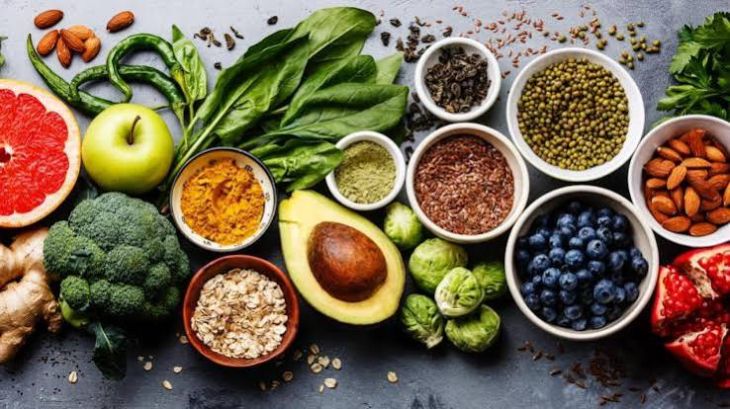
Dietary patterns influence inflammatory levels as well. Diets high in processed foods, refined sugars, and unhealthy fats may promote inflammation, whereas diets rich in fruits, vegetables, whole grains, and healthy fats tend to have anti-inflammatory effects. While diet alone does not determine cancer risk, it plays a meaningful role in shaping the body’s inflammatory balance.
Chronic infections also contribute significantly. Certain viral, bacterial, and parasitic infections can cause persistent inflammation in affected tissues. When infections remain untreated or undetected, ongoing immune responses may gradually damage cells and increase the likelihood of malignant transformation.
The immune system’s dual role in cancer is particularly complex. On one hand, it protects against abnormal cells through immune surveillance. On the other hand, chronic activation can create a pro-tumor environment. Some inflammatory cells release factors that help cancer cells grow, survive, and invade nearby tissues. This paradox highlights the delicate balance required for healthy immune function.
Importantly, not all inflammation leads to cancer. The body has sophisticated repair mechanisms that correct most DNA damage and regulate immune responses.
Cancer development usually requires multiple genetic and environmental factors acting together over time. Chronic inflammation is one contributing element within a broader network of influences.
Preventing or reducing chronic inflammation can be a valuable strategy in lowering cancer risk. Healthy lifestyle choices such as maintaining a balanced diet, engaging in regular physical activity, avoiding tobacco use, managing stress, and maintaining a healthy weight can help reduce systemic inflammation. Early diagnosis and proper management of inflammatory diseases are equally important.
Medical research continues to explore anti-inflammatory therapies as potential tools in cancer prevention and treatment. Certain medications that reduce inflammation are being studied for their possible role in lowering cancer risk in specific populations. However, such interventions must be carefully evaluated for safety and effectiveness.
In conclusion, chronic inflammation plays a significant role in cancer development by creating an environment that promotes genetic damage, uncontrolled cell growth, angiogenesis, and immune system imbalance. While inflammation is a necessary and protective process in its acute form, prolonged activation can become harmful. By understanding the mechanisms linking chronic inflammation to cancer, individuals and healthcare systems can emphasize prevention, early management of inflammatory conditions, and lifestyle strategies that support long-term health. Reducing chronic inflammation not only lowers cancer risk but also contributes to overall well-being and disease prevention.