Biological Role of Curcumin in Human Cells
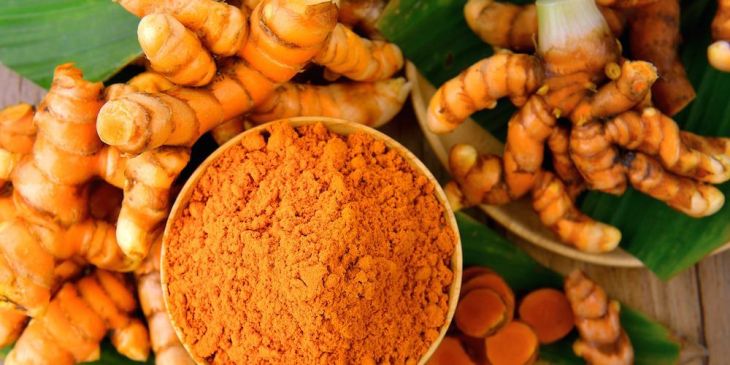
Curcumin is the primary bioactive compound found in turmeric, a widely used spice derived from the rhizome of the plant Curcuma longa. For centuries, turmeric has been valued in traditional medicine systems for its healing properties. In modern science, curcumin has gained significant attention due to its diverse biological activities within human cells. Researchers have discovered that curcumin interacts with multiple cellular components and molecular pathways, influencing processes such as inflammation, oxidative stress, gene expression, and cell survival.
Human cells are highly complex systems that rely on tightly regulated processes to maintain health and proper function. When these processes become disrupted, it can lead to diseases such as cancer, cardiovascular disorders, and metabolic conditions. Curcumin plays an important role in supporting cellular health by modulating several of these key processes.
One of the most significant biological roles of curcumin is its ability to act as a powerful antioxidant. During normal metabolism, cells produce free radicals, which are unstable molecules that can damage cellular components such as DNA, proteins, and lipids. Environmental factors like pollution, radiation, and unhealthy lifestyle habits can further increase the production of these harmful molecules. When free radicals accumulate, they create a condition known as oxidative stress, which can lead to cellular damage and disease. Curcumin helps neutralize free radicals by donating electrons, thereby protecting cells from oxidative damage and maintaining cellular stability.
In addition to its antioxidant properties, curcumin
well known for its anti-inflammatory effects. Inflammation is a natural response of the immune system to injury or infection. However, chronic inflammation can disrupt normal cellular function and contribute to the development of various diseases. Curcumin interacts with inflammatory molecules and signaling pathways within cells, reducing the production of pro-inflammatory cytokines and enzymes. By controlling inflammation at the cellular level, curcumin helps maintain a balanced immune response and protects tissues from damage.
Another important biological role of curcumin is its influence on cell signaling pathways. Cells communicate with each other through complex networks of chemical signals that regulate growth, division, and survival. Curcumin can modulate these signaling pathways by interacting with key proteins and enzymes involved in cellular communication. For example, curcumin can inhibit certain transcription factors that activate genes associated with inflammation and cell proliferation. This ability to regulate signaling pathways allows curcumin to influence how cells respond to stress and external stimuli.
Curcumin also plays a role in regulating gene expression. Genes contain the instructions that control cellular functions, and their activity is carefully regulated to ensure proper cell behavior. Curcumin can interact with molecules that control gene expression, influencing which genes are turned on or off. This process is particularly important in conditions where abnormal gene activity leads to disease. By modulating gene expression, curcumin may help restore normal cellular function and prevent the progression of certain disorders.
The biological effects of curcumin can be summarized through several key cellular functions:
-
Antioxidant activity, protecting cells from oxidative stress and free radical damage.
-
Anti-inflammatory action, reducing the production of harmful inflammatory molecules.
-
Regulation of cell signaling pathways, influencing cellular communication and responses.
-
Control of gene expression, helping maintain normal cellular functions.
-
Support for immune system activity, enhancing the body’s defense mechanisms.
-
Promotion of apoptosis, the natural process of eliminating damaged or abnormal cells.
Another crucial role of curcumin in human cells is its ability to promote apoptosis, or programmed cell death. Apoptosis is a controlled process that allows the body to remove damaged, infected, or abnormal cells. This process is essential for maintaining tissue health and preventing the accumulation of harmful cells. Curcumin has been shown to activate pathways that trigger apoptosis, especially in cells that are damaged or no longer functioning properly. This function is particularly important in preventing the development of diseases such as cancer, where abnormal cells grow uncontrollably.
Curcumin also affects the cell cycle, which is the sequence of events that leads to cell division. Proper regulation of the cell cycle ensures that cells divide only when necessary. In some conditions, such as cancer, the cell cycle becomes dysregulated, leading to uncontrolled cell growth. Curcumin can influence the proteins that control different phases of the cell cycle, helping slow down or stop abnormal cell division.
In addition to these effects, curcumin plays a role in maintaining cell membrane integrity. The cell membrane acts as a protective barrier that regulates the movement of substances in and out of the cell. Oxidative stress and inflammation can damage the cell membrane, disrupting cellular function. Curcumin helps protect the membrane by reducing oxidative damage and stabilizing its structure.
Curcumin’s influence extends to the mitochondria, which are often referred to as the powerhouses of the cell. Mitochondria are responsible for producing energy in the form of ATP, which is essential for cellular activities. Dysfunction of mitochondria can lead to reduced energy production and contribute to various diseases. Curcumin has been shown to support mitochondrial function by reducing oxidative stress and improving energy metabolism.
Despite its many beneficial roles, curcumin has a limitation related to its low bioavailability. When consumed, only a small amount of curcumin is absorbed into the bloodstream, and much of it is quickly metabolized. This limits the amount that reaches cells and tissues. However, combining curcumin with piperine, a compound found in black pepper, significantly enhances its absorption. Researchers are also developing advanced delivery systems such as nanoparticles and liposomes to improve its effectiveness.
Curcumin is generally consumed as part of a balanced diet through turmeric, but it is also available in supplement form. While it is considered safe for most people, excessive intake may cause mild digestive discomfort in some cases. It is always important to use supplements responsibly and consult healthcare professionals when necessary.
In conclusion, curcumin plays a vital biological role in human cells by influencing a wide range of cellular processes. Its antioxidant, anti-inflammatory, and regulatory properties help protect cells from damage, maintain normal function, and support overall health. By interacting with cell signaling pathways, gene expression, and immune responses, curcumin contributes to the prevention of various diseases and promotes cellular balance. As scientific research continues to expand, curcumin remains a promising natural compound with significant potential in maintaining cellular health and improving human well-being.