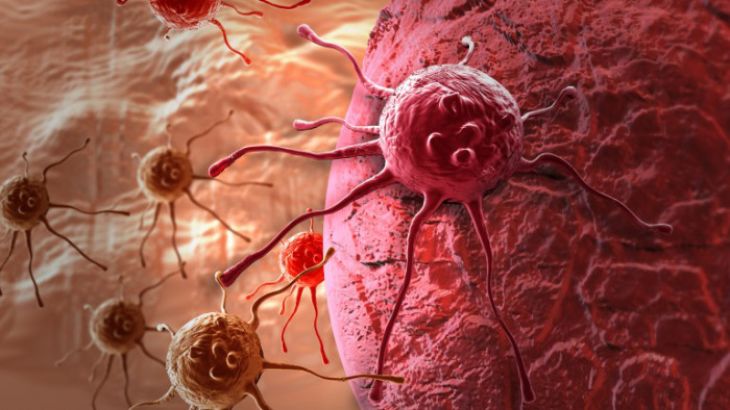
How Turmeric Compounds Affect Cancer Cells
Turmeric, commonly known as haldi, is a widely used spice derived from the rhizome of the plant Curcuma longa. For centuries, it has been valued not only as a culinary ingredient but also as a medicinal herb in traditional healing systems such as Ayurveda and traditional Chinese medicine. In recent decades, turmeric has gained significant attention in scientific research because of its potential health benefits, particularly in the field of cancer research. Scientists have been studying how certain compounds in turmeric interact with cancer cells and influence their behavior.
The most important bioactive compounds in turmeric are a group of substances known as curcuminoids. These include curcumin, demethoxycurcumin, and bisdemethoxycurcumin. Among them, curcumin is the most abundant and widely studied. These compounds possess antioxidant, anti-inflammatory, and antimicrobial properties, which contribute to their biological effects in the human body. Researchers have discovered that these turmeric compounds can influence cancer cells through several complex biological mechanisms.
Cancer occurs when normal cells lose control over their growth and begin to divide uncontrollably. Over time, these abnormal cells can form tumors and may spread to other parts of the body through a process known as metastasis. Turmeric compounds are believed to interfere with several stages of cancer development, making them an area of great interest in cancer prevention and treatment research.
One of the most important ways turmeric compounds affect cancer cells is by regulating cell growth. In healthy tissues, cells grow, divide, and die in a controlled manner. Cancer cells, however, bypass these regulatory mechanisms and continue to multiply without limits. Curcumin has been shown to influence signaling pathways that control cell division. By interfering with these pathways, curcumin may slow down or stop the uncontrolled proliferation of cancer cells.
Another important effect of turmeric compounds is their ability to trigger apoptosis, also known as programmed cell death. Apoptosis is a natural process through which the body eliminates damaged or abnormal cells. In many cancers, this process becomes defective, allowing harmful cells to survive longer than they should. Curcumin can activate certain molecular pathways that encourage cancer cells to undergo apoptosis, helping the body remove potentially dangerous cells before they spread.
Turmeric compounds also have a strong antioxidant effect, which helps protect cells from damage caused by free radicals. Free radicals are unstable molecules produced during normal metabolic processes or through exposure to environmental pollutants, radiation, and toxins. These molecules can damage DNA and contribute to mutations that lead to cancer. Curcumin neutralizes free radicals and reduces oxidative stress, which may help prevent the formation of cancerous cells.
Another significant effect of turmeric compounds is their ability to reduce chronic inflammation. Long-term inflammation in the body is associated with an increased risk of several types of cancer. Inflammatory molecules can create an environment that supports tumor growth and survival. Curcumin helps regulate inflammatory pathways by inhibiting molecules that trigger inflammation. By controlling inflammation, turmeric compounds may help create conditions that are less favorable for cancer development.
The influence of turmeric compounds on cancer cells can be summarized through several key biological mechanisms:
-
Inhibition of uncontrolled cell division, slowing the growth of cancer cells.
Activation of apoptosis, encouraging damaged cells to self-destruct. -
Reduction of oxidative stress, protecting DNA from free radical damage.
-
Suppression of inflammatory pathways, reducing conditions that promote tumor growth.
-
Blocking angiogenesis, preventing tumors from forming new blood vessels.
-
Limiting metastasis, reducing the ability of cancer cells to spread to other tissues.
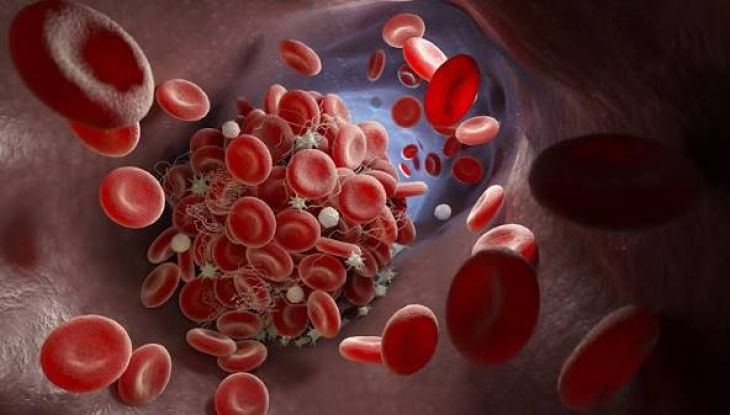
One particularly important process affected by turmeric compounds is angiogenesis, the formation of new blood vessels. Tumors require a constant supply of oxygen and nutrients to grow. To obtain these resources, cancer cells stimulate the development of new blood vessels that feed the tumor. Curcumin has been shown to inhibit the signals that promote angiogenesis. By limiting the formation of these blood vessels, turmeric compounds may reduce the ability of tumors to grow and expand.
Turmeric compounds may also influence metastasis, which is the process through which cancer spreads from its original site to other parts of the body. Metastasis occurs when cancer cells break away from the primary tumor, enter the bloodstream or lymphatic system, and establish new tumors in distant organs. Curcumin can interfere with molecules involved in cell movement and tissue invasion, potentially reducing the ability of cancer cells to migrate and spread.
Another area of research involves the interaction between turmeric compounds and cell signaling molecules. Cancer cells rely on specific signals to survive, grow, and resist treatment. Curcumin has the ability to influence multiple signaling pathways simultaneously, including those related to cell survival, inflammation, and immune responses. This multi-target approach makes turmeric compounds particularly interesting for cancer research because they may affect several aspects of tumor development at once.
Despite these promising effects, there are challenges associated with the use of turmeric compounds in medical treatments. One of the main issues is the low bioavailability of curcumin. When turmeric is consumed, only a small amount of curcumin is absorbed into the bloodstream, and much of it is quickly metabolized by the body. This limits the concentration that reaches tissues where it might be needed.
To overcome this limitation, scientists are developing new methods to improve curcumin absorption. For example, combining curcumin with piperine, a compound found in black pepper, can significantly increase its bioavailability. Researchers are also exploring advanced delivery systems such as nanoparticles, liposomes, and curcumin-based drug formulations to enhance its effectiveness.
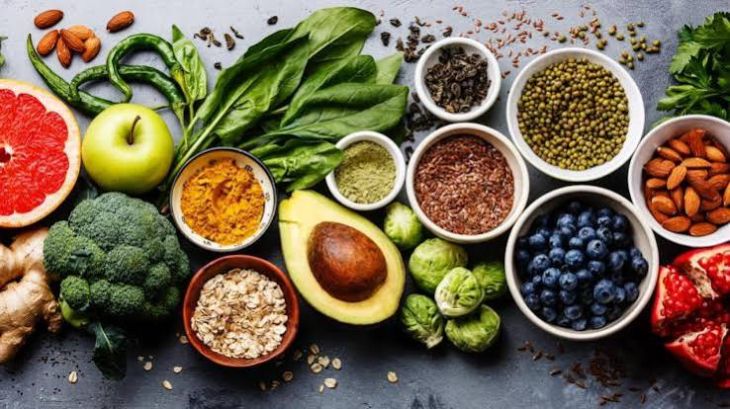
In addition to laboratory studies, turmeric continues to be widely consumed as part of traditional diets. Many cultures incorporate turmeric into everyday meals, which may provide small amounts of beneficial compounds over time. While dietary turmeric alone may not treat cancer, it may contribute to overall health and disease prevention as part of a balanced lifestyle.
It is important to note that turmeric compounds are still being studied in the context of cancer therapy. Although laboratory and animal studies show encouraging results, more clinical trials involving human participants are needed to confirm their effectiveness and determine appropriate medical uses.
In conclusion, turmeric contains several bioactive compounds that can influence cancer cells through multiple biological mechanisms. Curcumin and other curcuminoids may help regulate cell growth, promote the death of abnormal cells, reduce inflammation, and interfere with processes that allow tumors to grow and spread. While further research is required to fully understand their role in cancer treatment, these compounds represent promising natural agents that may contribute to cancer prevention and future therapeutic strategies.