Precision Medicine and Targeted Therapy in Cancer Treatment
Cancer treatment has undergone a remarkable transformation over the past few decades. Traditional approaches such as surgery, chemotherapy, and radiation therapy have long been the primary methods used to combat cancer. While these treatments have saved many lives, they often affect both healthy and cancerous cells, leading to significant side effects. In recent years, a more personalized approach to cancer care has emerged, known as precision medicine. This modern strategy focuses on understanding the unique genetic and molecular characteristics of a patient’s tumor and designing treatments that specifically target those features. Precision medicine, combined with targeted therapy, represents a major advancement in the fight against cancer and offers new hope for improved outcomes and reduced side effects.
Precision medicine is based on the idea that cancer is not a single disease but a collection of many different diseases, each driven by specific genetic mutations and molecular changes. Even two patients diagnosed with the same type of cancer may have tumors with very different genetic profiles. By studying these differences, scientists and doctors can identify the exact biological mechanisms that allow cancer cells to grow and survive. Once these mechanisms are identified, treatments can be developed to specifically block them, preventing the cancer from progressing.
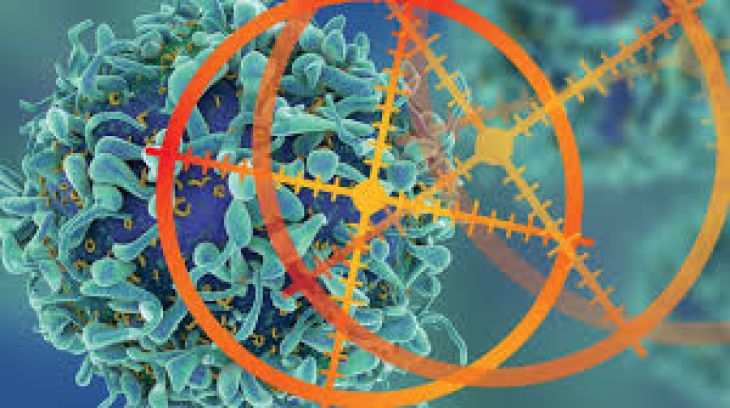
Targeted therapy is one of the key components of precision medicine. Unlike traditional chemotherapy, which attacks rapidly dividing cells in general, targeted therapy focuses on specific molecules or pathways that cancer cells rely on. These therapies interfere with the signals that tumors use to grow, divide, and spread throughout the body. Because they are designed to act on specific targets within cancer cells, targeted therapies tend to cause fewer side effects than conventional treatments.
Advances in genomic technology have played a critical role in making precision medicine possible. Modern sequencing techniques allow researchers to analyze a tumor’s DNA and identify mutations that drive cancer development. Once these mutations are identified, doctors can match patients with drugs that are specifically designed to target those changes. This personalized approach helps ensure that patients receive treatments that are more likely to be effective for their particular cancer type.
Another important aspect of precision medicine is biomarker testing. Biomarkers are measurable biological indicators that provide information about a tumor’s behavior or its response to certain treatments. By analyzing biomarkers, doctors can predict whether a patient is likely to benefit from a specific therapy. This not only improves treatment success but also avoids unnecessary therapies that may not be effective.
In the middle of these advancements, several key principles define how precision medicine and targeted therapy work in cancer treatment:
Identification of genetic mutations: Scientists analyze tumor DNA to detect mutations responsible for cancer growth.
- Development of targeted drugs: Medications are designed to block specific proteins or signaling pathways used by cancer cells.
- Personalized treatment plans: Each patient receives therapy tailored to the molecular profile of their tumor.
- Biomarker testing: Doctors use biomarkers to determine which treatments are most likely to be effective.
- Reduced side effects: Because targeted therapies focus on cancer-specific mechanisms, healthy cells are less affected.
- Improved treatment outcomes: Patients often experience better responses and longer survival with personalized therapy.
Targeted therapy can take several forms depending on the molecular target involved. One common type includes small-molecule inhibitors, which are drugs designed to enter cancer cells and block specific proteins that control cell growth. Another type involves monoclonal antibodies, which are laboratory-made molecules that attach to proteins found on the surface of cancer cells. By binding to these proteins, monoclonal antibodies can block signals that promote tumor growth or mark cancer cells for destruction by the immune system.
Precision medicine is particularly valuable in cancers that are driven by well-defined genetic mutations. For example, certain forms of lung cancer, breast cancer, and melanoma have specific genetic alterations that can be targeted with specialized drugs. Patients with these mutations often respond dramatically to targeted therapy, sometimes experiencing tumor shrinkage within weeks of treatment.
However, despite its promise, precision medicine also faces challenges. One of the major difficulties is that tumors can evolve over time. Cancer cells may develop new mutations that allow them to bypass targeted treatments, leading to drug resistance. This means that therapies that initially work well may become less effective as the cancer adapts. Researchers are actively studying these resistance mechanisms in order to develop new strategies to overcome them.
Another challenge is the complexity of cancer biology. Many tumors contain a mixture of different cell populations, each with its own genetic characteristics. Targeting a single mutation may not be enough to eliminate all cancer cells. As a result, combination therapies that target multiple pathways simultaneously are becoming an important focus of research.
The cost and accessibility of precision medicine also remain important considerations. Genetic testing and advanced targeted therapies can be expensive, which may limit their availability in some healthcare systems. Efforts are underway worldwide to reduce costs, improve diagnostic technologies, and expand access so that more patients can benefit from personalized cancer treatment.
Despite these challenges, the future of precision medicine is extremely promising. Advances in artificial intelligence, genomic sequencing, and molecular biology are making it easier to identify cancer-driving mutations and develop new targeted drugs. Scientists are also exploring how precision medicine can be combined with other innovative treatments, such as immunotherapy, to create even more effective strategies against cancer.
In addition, the growing field of liquid biopsy—where cancer-related genetic material is detected in blood samples—may soon allow doctors to monitor tumors in real time. This would enable physicians to quickly detect treatment resistance and adjust therapies accordingly, further enhancing the effectiveness of personalized care.
In conclusion, precision medicine and targeted therapy represent a major shift in how cancer is treated. Instead of using a one-size-fits-all approach, modern oncology increasingly focuses on the unique biological characteristics of each patient’s tumor. By identifying specific genetic mutations and targeting them with specialized therapies, doctors can deliver treatments that are more precise, more effective, and often less harmful to healthy tissues. As research continues to advance, precision medicine is expected to play an even greater role in improving cancer diagnosis, treatment, and patient survival in the years ahead.