Liquid Biopsy: Detecting Cancer Through a Simple Blood Test
Cancer diagnosis has traditionally relied on imaging techniques, physical examinations, and tissue biopsies. In a conventional biopsy, doctors remove a small piece of tissue from a suspected tumor and analyze it in a laboratory to determine whether cancer cells are present. Although this method is highly accurate, it can sometimes be invasive, uncomfortable, and difficult to perform depending on the location of the tumor. In recent years, scientists have developed an innovative diagnostic approach known as a liquid biopsy, which can detect signs of cancer through a simple blood test.
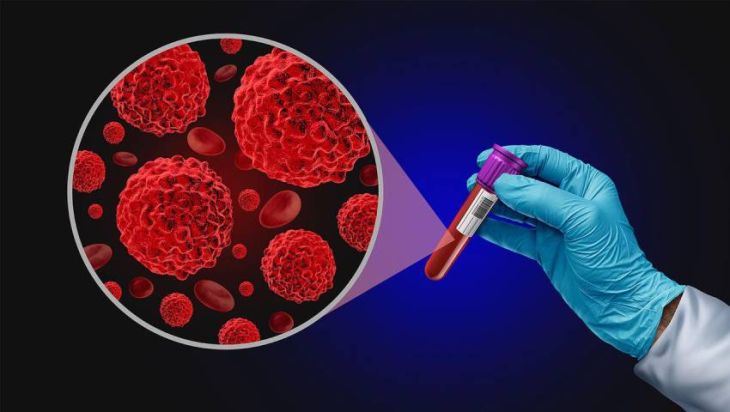
Liquid biopsy is a modern medical technique that identifies cancer-related materials circulating in the bloodstream. Tumors constantly shed tiny fragments of genetic material and cells into the blood. These fragments include circulating tumor DNA (ctDNA), circulating tumor cells (CTCs), and other molecular markers associated with cancer. By analyzing these substances in a blood sample, doctors may be able to detect cancer without the need for traditional surgical procedures.
The idea behind liquid biopsy is based on the understanding that cancer is not confined only to a visible tumor mass. Cancer cells often release genetic information into the bloodstream as they grow, divide, or die. These fragments carry specific mutations that distinguish them from normal DNA found in healthy cells. Modern laboratory techniques can identify these mutations and provide valuable clues about the presence of cancer in the body.
One of the most significant advantages of liquid biopsy is its minimally invasive nature. Traditional biopsies may require surgical procedures, needle insertions, or complex imaging guidance. In contrast, liquid biopsy involves drawing a small amount of blood, similar to routine laboratory testing. This makes the process more comfortable for patients and reduces the risks associated with invasive procedures.
Liquid biopsy is also gaining attention because it may help detect cancer at very early stages. In some cases, tumors release genetic material into the bloodstream long before they grow large enough to appear on imaging scans. By identifying these early signals, doctors may be able to diagnose cancer earlier than ever before, which could greatly improve treatment outcomes.
Researchers and clinicians are exploring several important uses of liquid biopsy in modern cancer care. These applications extend beyond early detection and include monitoring disease progression and evaluating treatment response.
Some of the key roles of liquid biopsy in cancer diagnosis and management include:
Early detection of cancer by identifying tumor DNA fragments in the blood.
Monitoring how tumors respond to treatments such as chemotherapy or targeted therapy.
Detecting minimal residual disease after cancer treatment.
Identifying genetic mutations that guide personalized treatment plans.
Tracking cancer recurrence after initial therapy.
Providing a safer alternative when traditional tissue biopsy is difficult or risky.
Another important benefit of liquid biopsy is its ability to capture a broader picture of cancer genetics. Traditional tissue biopsies analyze only a small section of a tumor. However, cancers are often genetically diverse, meaning different parts of the tumor may contain different mutations. A single tissue sample may not fully represent this complexity.
Liquid biopsy can help overcome this limitation. Because tumor DNA released into the bloodstream may come from multiple areas of the tumor or even from metastatic sites, the blood sample may provide a more comprehensive overview of the cancer’s genetic makeup. This information can help doctors select treatments that target specific mutations within the tumor.
In addition to detecting cancer, liquid biopsy is becoming a valuable tool for monitoring how a tumor evolves over time. Cancer cells frequently develop new mutations as they grow and adapt to treatment. Some of these mutations can make the tumor resistant to certain therapies. Regular liquid biopsy tests can help identify these genetic changes early, allowing doctors to adjust treatment strategies before the disease progresses further.
For patients undergoing cancer treatment, liquid biopsy can also help measure treatment effectiveness. When therapy successfully destroys cancer cells, the amount of tumor DNA in the bloodstream often decreases. By measuring these levels over time, doctors can evaluate whether the treatment is working or if alternative approaches are needed.
Despite its promising potential, liquid biopsy is still an evolving technology. While it has shown great success in detecting certain cancers, researchers are continuing to improve its accuracy and reliability. Detecting very small amounts of tumor DNA in the bloodstream can be challenging, especially in early-stage cancers where fewer cancer cells are present.
Another challenge involves distinguishing cancer-related DNA from normal genetic variations in healthy cells. Highly sensitive laboratory techniques and advanced computational methods are required to analyze the genetic data accurately.
Scientists are constantly refining these technologies to improve detection capabilities and reduce false results.
Cost and accessibility are also factors that influence the widespread adoption of liquid biopsy. Advanced genetic testing technologies can be expensive, and not all healthcare systems have access to these specialized laboratories. However, as technology continues to advance and become more affordable, liquid biopsy may become a routine part of cancer screening and monitoring in the future.
The development of liquid biopsy also reflects a broader shift toward personalized medicine. Instead of treating cancer with a one-size-fits-all approach, doctors are increasingly tailoring treatments based on the genetic profile of each patient’s tumor. Liquid biopsy plays a key role in this process by providing valuable genetic information that guides therapy decisions.
Scientists are currently studying how liquid biopsy can be used to detect multiple types of cancer simultaneously. In the future, a single blood test might be able to screen for several cancers at once by identifying specific molecular patterns associated with different tumor types. Such advances could revolutionize cancer screening programs and enable earlier detection on a larger scale.
In conclusion, liquid biopsy represents one of the most exciting developments in modern cancer diagnostics. By analyzing tumor-derived materials circulating in the bloodstream, this innovative technique offers a less invasive and potentially more comprehensive way to detect and monitor cancer. Although challenges remain, ongoing research and technological progress continue to improve its accuracy and clinical usefulness. As liquid biopsy becomes more widely available, it has the potential to transform cancer detection, support personalized treatment strategies, and ultimately improve patient outcomes through earlier and more precise diagnosis.