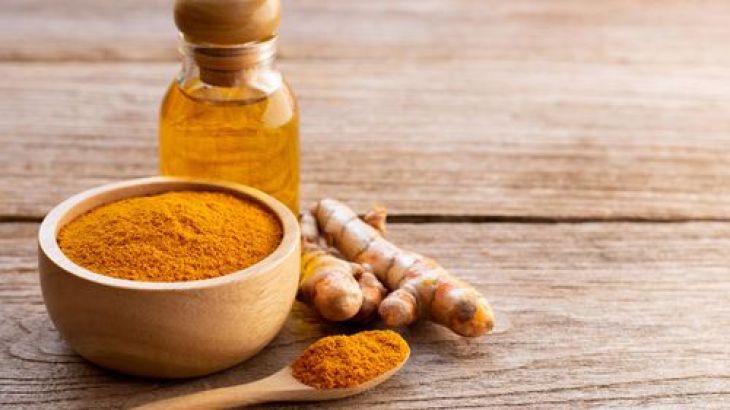
Antibacterial Properties of Turmeric and their Medical Importance
Turmeric, commonly known as haldi, is one of the most valued medicinal plants used in traditional healing systems. Derived from the rhizome of the plant Curcuma longa, turmeric has been widely used in cooking, herbal medicine, and natural remedies for centuries. While it is well known for its vibrant yellow color and distinctive flavor, turmeric is also highly respected for its powerful biological properties. Among its many health benefits, the antibacterial activity of turmeric has attracted significant attention from scientists and medical researchers.
Bacteria are microscopic organisms that exist almost everywhere in the environment. While many bacteria are harmless or even beneficial to humans, some can cause infections and diseases. These harmful bacteria can enter the body through cuts, wounds, contaminated food, or contact with infected surfaces. Controlling bacterial growth is therefore an important part of maintaining health and preventing disease. Natural substances with antibacterial properties, such as turmeric, have long been used as protective agents against infections.
The antibacterial ability of turmeric mainly comes from its active compound called curcumin. Curcumin is a polyphenolic compound responsible for many of turmeric’s medicinal effects. It has been extensively studied for its antimicrobial, anti-inflammatory, antioxidant, and therapeutic properties. Curcumin works by interfering with the biological processes of bacteria, making it difficult for them to survive and multiply.
One of the ways curcumin acts against bacteria is by damaging the bacterial cell membrane. The cell membrane is essential for the survival of bacteria because it protects the cell and controls the movement of substances in and out of it. Curcumin can disrupt this membrane structure, weakening the bacterial cell and ultimately leading to its destruction. When the protective barrier of bacteria is compromised, the microorganisms become unable to function properly and eventually die.
Another mechanism through which turmeric fights bacteria is by interfering with bacterial enzymes and proteins. These molecules are essential for bacterial growth, metabolism, and reproduction. Curcumin can bind to certain enzymes and block their activity, slowing down the growth of bacteria. By preventing bacterial multiplication, turmeric helps reduce the spread of infection within tissues.
Turmeric is also effective against a wide range of bacterial species. Research has shown that curcumin can inhibit both Gram-positive and Gram-negative bacteria. These two categories differ in their cell wall structures, and many antibiotics target only one type. The ability of curcumin to affect multiple bacterial groups makes it particularly valuable as a broad-spectrum natural antimicrobial agent.
In addition to directly attacking bacteria, turmeric also enhances the body’s immune response. A strong immune system plays a vital role in fighting infections. Curcumin stimulates certain immune cells that help identify and destroy harmful microorganisms. By strengthening natural defense mechanisms, turmeric supports the body’s ability to control bacterial infections effectively.
Key Antibacterial Characteristics of Turmeric
Several features make turmeric an effective natural antibacterial agent:
-
Disruption of bacterial cell membranes, weakening the structure of harmful microbes.
Inhibition of bacterial enzymes and metabolic processes, preventing growth and reproduction. -
Activity against both Gram-positive and Gram-negative bacteria.
Reduction of bacterial biofilm formation, which is often responsible for persistent infections. -
Anti-inflammatory effects, which help reduce tissue damage during infection.
Antioxidant properties, protecting healthy cells while fighting bacteria.
One of the most important medical implications of turmeric’s antibacterial activity is its potential use in wound care. Open wounds and cuts are highly vulnerable to bacterial infections. If bacteria enter a wound, they can cause inflammation, pain, and delayed healing. Traditionally, turmeric paste has been applied directly to wounds to prevent infection and promote healing. The antibacterial compounds in turmeric help eliminate harmful microbes while its anti-inflammatory effects reduce swelling and irritation.
Turmeric has also shown promise in treating certain skin infections. Conditions such as acne, minor fungal infections, and bacterial skin irritation can benefit from turmeric’s antimicrobial effects. Curcumin helps reduce the bacteria responsible for acne and also calms inflamed skin. Because of these properties, turmeric is frequently used in herbal skincare products and natural dermatological treatments.
Another area of medical interest is the use of turmeric in combating antibiotic-resistant bacteria. Antibiotic resistance has become a major global health concern. Many bacteria have evolved mechanisms that allow them to survive conventional antibiotics, making infections harder to treat. Researchers are exploring natural compounds like curcumin as alternative or complementary antimicrobial agents. Studies suggest that curcumin may enhance the effectiveness of certain antibiotics and help overcome bacterial resistance.
Turmeric’s antibacterial activity also has potential applications in oral health. Bacteria in the mouth can lead to conditions such as gum disease, tooth decay, and oral infections. Some herbal toothpastes and mouth rinses include turmeric extracts because of their ability to control harmful bacteria in the oral cavity. By reducing bacterial populations, turmeric may contribute to improved dental hygiene and healthier gums.
The food industry has also recognized the antibacterial potential of turmeric. Because bacteria can cause food spoilage and contamination, natural preservatives are increasingly being explored as safer alternatives to synthetic chemicals. Turmeric extracts have been investigated as natural food preservatives due to their ability to inhibit bacterial growth. This property helps extend the shelf life of certain food products while maintaining safety and quality.
Despite its many advantages, turmeric also has some limitations when used in medical applications. One major challenge is the low bioavailability of curcumin. When consumed, only a small amount of curcumin is absorbed into the bloodstream. Scientists are therefore developing improved formulations such as nanoparticles, liposomes, and curcumin complexes to enhance its absorption and effectiveness.
Furthermore, while turmeric shows strong antibacterial potential, it should not replace prescribed antibiotics in serious infections without medical guidance. Instead, turmeric may serve as a supportive or complementary natural remedy that enhances overall health and immune defense.
In conclusion, turmeric possesses remarkable antibacterial properties that have significant medical importance. Its active compound curcumin can damage bacterial cells, inhibit microbial growth, and support the immune system in fighting infections. These properties make turmeric useful in wound care, skin treatments, oral health, and potentially in addressing antibiotic resistance. As scientific research continues to explore its mechanisms and applications, turmeric remains an important natural resource with promising contributions to modern medicine and healthcare.