Effect of Vitamin B12 Deficiency on Red Blood Cells
Vitamin B12 is a vital nutrient that plays an essential role in maintaining overall health. It is especially important for the production of healthy red blood cells, proper nerve function, and DNA synthesis. Although the body requires only small amounts of this vitamin, a deficiency can lead to serious health complications over time. Among the most noticeable effects of Vitamin B12 deficiency is the damage it causes to red blood cells. Since these cells are responsible for carrying oxygen throughout the body, any disruption in their formation or function can affect energy levels, organ performance, and daily well-being.
Red blood cells are produced in the bone marrow through a carefully controlled process. They begin as immature cells and gradually develop into fully functional cells capable of transporting oxygen from the lungs to tissues and returning carbon dioxide for removal. For this process to happen smoothly, the body needs adequate levels of Vitamin B12. Without it, red blood cell production becomes abnormal, leading to fewer healthy cells and reduced oxygen delivery.
Role of Vitamin B12 in Red Blood Cell Formation
Vitamin B12 works closely with folate to support DNA synthesis. DNA is needed whenever new cells are formed, including red blood cells. In the bone marrow, cells divide rapidly to produce millions of new blood cells every day. If Vitamin B12 is lacking, DNA replication slows down or becomes faulty. As a result, developing red blood cells cannot mature properly.
Instead of becoming normal-sized, efficient cells, they remain large, fragile, and immature. These abnormal cells are less effective at carrying oxygen and may be destroyed before entering circulation. This creates a shortage of healthy red blood cells in the bloodstream.
Key functions of Vitamin B12 in blood health include:
-
Supporting DNA production during cell formation
-
Helping bone marrow produce mature red blood cells
-
Maintaining normal cell size and structure
-
Assisting oxygen transport by enabling healthy blood production
-
Working with folate in cell division
-
Preventing abnormal enlargement of blood cells
When these functions are disrupted, the effects can spread throughout the body.
Development of Megaloblastic Anemia
One of the classic consequences of Vitamin B12 deficiency is megaloblastic anemia. This condition occurs when the bone marrow produces unusually large red blood cells called megaloblasts. These cells are structurally abnormal and do not function as efficiently as normal red blood cells.
Because they are oversized and fragile, many break down early. Others survive but circulate poorly due to their abnormal shape. As the number of healthy cells drops, oxygen delivery to tissues decreases. This is why people with Vitamin B12 deficiency often feel exhausted and weak even after rest.
Megaloblastic anemia may develop gradually, making symptoms easy to ignore at first. However, if left untreated, it can significantly affect quality of life and physical performance.
Changes in Red Blood Cell Count and Size
A deficiency does not only reduce the number of red blood cells; it also changes their appearance. Blood tests often reveal enlarged cells with a high mean corpuscular volume (MCV), which means the average cell size is larger than normal. Doctors use this clue to help identify possible Vitamin B12 deficiency.
Common red blood cell changes include:
-
Reduced total red blood cell count
-
Larger than normal cell size
-
Fragile cells with shorter lifespan
-
Poor maturation in the bone marrow
-
Lower oxygen-carrying efficiency
-
Increased destruction before circulation
These changes explain why symptoms can become severe even before a person realizes there is a nutritional problem.
Symptoms Caused by Affected Red Blood Cells
When red blood cells cannot deliver enough oxygen, the body reacts in many ways. The brain, muscles, heart, and other organs depend on a constant oxygen supply. Even a moderate drop in healthy blood cells can lead to noticeable symptoms.
Common signs include:
-
Constant tiredness
-
Weakness during routine activities
-
Shortness of breath
-
Pale or yellowish skin
-
Fast heartbeat
-
Dizziness
-
Headaches
-
Reduced stamina
These symptoms may resemble other health issues, which is why proper testing is important.
Why Deficiency Happens
Vitamin B12 deficiency can develop for several reasons. Some people do not consume enough of it in their diet, especially those who avoid all animal-based foods without fortified foods or supplements. Others may eat enough but cannot absorb it properly.
Causes may include:
-
Strict vegan diets without supplementation
-
Pernicious anemia affecting absorption
-
Stomach or intestinal disorders
-
Long-term use of certain medications
-
Surgery involving the stomach or intestines
-
Age-related decline in absorption
Because the liver stores Vitamin B12, deficiency may take years to become obvious. Once stores are depleted, blood cell production begins to suffer.
Long-Term Effects on Health
If Vitamin B12 deficiency continues untreated, the effects on red blood cells can become more serious. Severe anemia places strain on the heart because it must work harder to deliver oxygen. Daily tasks may become difficult, and physical endurance may decline sharply.
In addition to blood problems, deficiency can damage nerves and affect memory, balance, and mood. This means the issue is not limited to red blood cells alone. However, the blood-related symptoms are often the first warning sign that something is wrong.
Prompt treatment can usually reverse anemia, especially when diagnosed early. Delayed treatment may lead to longer recovery and more complications.
Diagnosis and Treatment
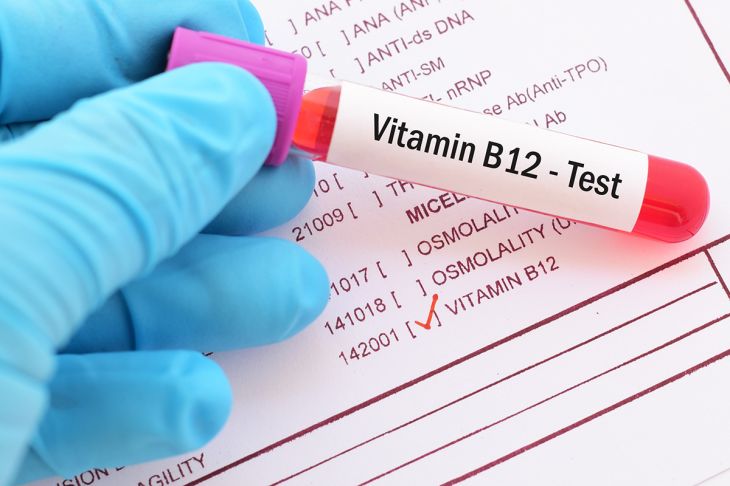
Doctors diagnose Vitamin B12 deficiency through blood tests that measure red blood cell size, hemoglobin levels, and Vitamin B12 status. Additional tests may be used to identify the underlying cause.
Treatment depends on severity and cause. It may include:
-
Vitamin B12 tablets or capsules
-
Fortified foods
-
Dietary improvements
-
Injections for severe deficiency or poor absorption
-
Monitoring blood levels regularly
As Vitamin B12 levels improve, the bone marrow begins producing healthier red blood cells again. Energy levels and symptoms often improve over time.
Preventing Red Blood Cell Damage
Prevention is easier than treatment. Eating foods rich in Vitamin B12 or using supplements when needed can protect red blood cell health. Good sources include meat, fish, eggs, milk, yogurt, cheese, and fortified cereals or plant-based drinks.
People at higher risk, such as older adults, vegetarians, vegans, and those with digestive conditions, should monitor their intake carefully. Regular health checkups can help detect deficiency before major symptoms appear.
Conclusion
Vitamin B12 deficiency has a powerful effect on red blood cells because it interferes with the body’s ability to produce healthy, mature cells. Instead of normal blood cells that efficiently carry oxygen, the body creates enlarged and fragile cells that function poorly. This can lead to megaloblastic anemia, fatigue, weakness, and reduced overall health. Since red blood cells are essential for oxygen delivery, protecting Vitamin B12 levels is crucial for maintaining energy, strength, and well-being. Through balanced nutrition, early diagnosis, and proper treatment, the harmful effects of deficiency can be prevented or reversed.