How Turmeric Works as a Natural Antiseptic
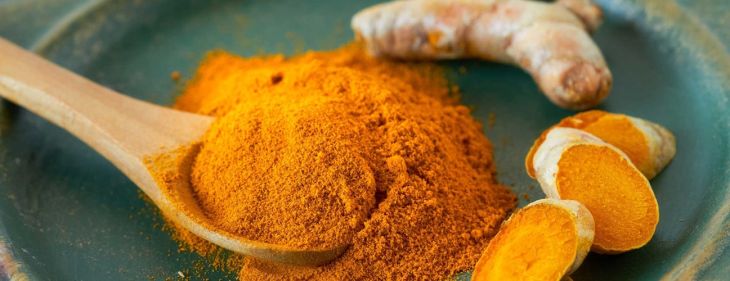
Turmeric, widely known as haldi, has been used for centuries in traditional medicine and home remedies. Derived from the root of the plant Curcuma longa, turmeric is a bright yellow spice commonly used in cooking, especially in Asian cuisine. Beyond its culinary value, turmeric has long been respected for its medicinal properties. One of its most important roles in traditional healing practices is its ability to act as a natural antiseptic.
An antiseptic is a substance that helps prevent the growth of harmful microorganisms such as bacteria, viruses, and fungi. These microorganisms can cause infections when they enter the body through wounds, cuts, or damaged skin. Natural antiseptics work by destroying or inhibiting the growth of these microbes, allowing the body to heal properly. Turmeric has been used for this purpose in many cultures, where it is often applied to wounds, burns, or skin infections.
The antiseptic properties of turmeric come mainly from its active compound called curcumin. Curcumin is a powerful bioactive substance that possesses antibacterial, antiviral, antifungal, and anti-inflammatory effects. When turmeric is applied to the skin or consumed internally, curcumin interacts with harmful microorganisms and limits their ability to multiply. This action helps reduce the risk of infection and supports the body’s natural healing process.
One of the reasons turmeric works effectively as an antiseptic is its strong antimicrobial activity. Harmful bacteria are one of the main causes of infections in cuts and wounds. Curcumin has been shown to interfere with the cellular structure of bacteria, preventing them from growing and spreading. By weakening bacterial cells, turmeric helps protect injured tissues from infection.
Turmeric also has anti-inflammatory properties that support wound healing. When the body experiences an injury, inflammation occurs as part of the immune response. While some inflammation is necessary for healing, excessive inflammation can slow recovery and cause pain. Curcumin helps regulate inflammatory signals in the body, reducing swelling and discomfort around wounds. This allows damaged tissues to heal more efficiently.
Another important factor that contributes to turmeric’s antiseptic action is its antioxidant activity. During an injury or infection, harmful molecules called free radicals may accumulate in tissues. These unstable molecules can damage cells and delay the healing process. Curcumin and other antioxidants in turmeric neutralize free radicals, protecting healthy cells and promoting faster tissue repair.
Turmeric also supports the body’s immune system. A strong immune response is essential for fighting infections and preventing harmful microbes from spreading. Curcumin stimulates certain immune cells that help destroy bacteria and other pathogens. By strengthening the body’s defense mechanisms, turmeric assists in controlling infections naturally.
Several characteristics make turmeric an effective natural antiseptic:
-
Antibacterial activity: Curcumin can inhibit the growth of many harmful bacteria.
-
Antifungal properties: Turmeric helps fight fungal infections on the skin.
-
Antiviral effects: Some compounds in turmeric may reduce the activity of certain viruses.
-
Anti-inflammatory action: It reduces swelling and irritation around wounds.
-
Antioxidant protection: Turmeric neutralizes free radicals that damage tissues.
-
Immune support: It enhances the body’s natural defense against infection.
In traditional medicine systems such as Ayurveda, turmeric paste has long been applied directly to cuts, burns, and minor wounds. The paste is typically made by mixing turmeric powder with water, oil, or milk. When applied to the affected area, the paste forms a protective layer that prevents microbes from entering the wound. At the same time, its active compounds begin working to fight bacteria and reduce inflammation.
Turmeric has also been used for skin conditions such as acne, rashes, and minor infections. Its antimicrobial properties help reduce the bacteria responsible for acne, while its anti-inflammatory effects calm irritated skin. In addition, turmeric may help improve skin healing by stimulating collagen production, which is essential for repairing damaged tissues.
Modern scientific research has supported many of these traditional uses. Studies have shown that curcumin can inhibit several types of bacteria commonly responsible for infections, including those that affect the skin and wounds. Researchers are also investigating turmeric-based creams and gels for medical use in treating minor injuries and skin infections.
Despite its many benefits, turmeric has some limitations as a topical antiseptic. For example, turmeric powder may temporarily stain the skin because of its strong yellow pigment. In addition, applying large amounts directly to open wounds should be done carefully and preferably under medical guidance, especially in serious injuries.
Turmeric’s antiseptic effects are not limited to external use. Consuming turmeric as part of the diet may also support the body’s internal defense mechanisms. When consumed, curcumin enters the bloodstream and interacts with various biological systems, including the immune system and inflammatory pathways. Although curcumin is not easily absorbed in large quantities, combining turmeric with black pepper significantly improves its absorption. Black pepper contains a compound called piperine, which enhances curcumin’s bioavailability in the body.
Today, turmeric is widely available in different forms, including powders, capsules, extracts, and topical creams. Many health products incorporate turmeric as a natural ingredient for skin care and wound healing. Because it is derived from a natural plant source, turmeric is often considered a gentle alternative to synthetic antiseptics, especially for minor injuries.
However, it is important to remember that turmeric should not replace professional medical treatment for serious infections or deep wounds. While it can be helpful for minor cuts and skin irritations, severe injuries require proper medical attention to prevent complications.
In conclusion, turmeric has earned its reputation as a natural antiseptic through centuries of traditional use and growing scientific evidence. Its active compound curcumin provides powerful antimicrobial, anti-inflammatory, and antioxidant effects that help protect the body from infection and support the healing process. By inhibiting harmful microorganisms, reducing inflammation, and strengthening the immune system, turmeric plays an important role in natural wound care and skin protection. As research continues to explore its full potential, turmeric remains a valuable natural remedy with significant benefits for health and healing.