Why Some Cancers Come Back
For many patients, completing cancer treatment is both a relief and a milestone. Scans may show no visible disease, doctors may use the word “remission,” and life gradually begins to feel normal again. Yet for some individuals, cancer returns months or even years later. This recurrence can be emotionally devastating and medically challenging. Understanding why some cancers come back requires looking closely at what happens at the cellular and molecular levels during and after treatment.
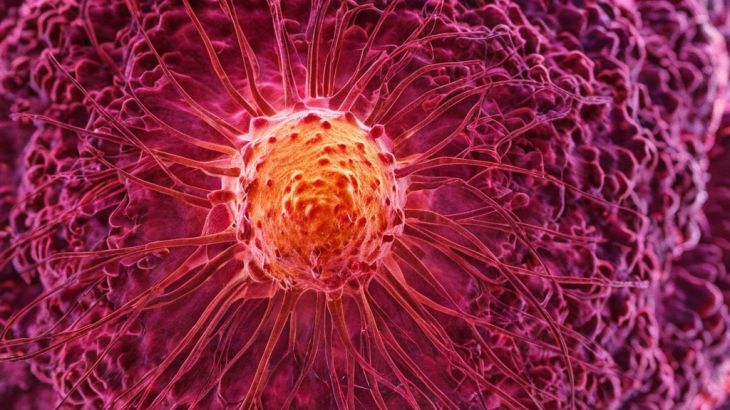
Cancer recurrence does not mean treatment failed entirely. In many cases, therapy successfully eliminates the majority of cancer cells. However, cancer is rarely a uniform mass of identical cells. Tumors are made up of diverse populations of cells, each with slightly different genetic mutations and behaviors. While most of these cells may respond to treatment, a small subset may survive.
One major reason cancers return is the presence of microscopic residual disease. Even when imaging scans appear clear, a few cancer cells may remain hidden in the body. These cells may be too small in number to detect with current technology. Over time, if they begin to divide again, they can form a new tumor.
Another key factor is treatment resistance. Cancer cells are genetically unstable, meaning they accumulate mutations rapidly. Some of these mutations may allow certain cells to survive chemotherapy, radiation, or targeted therapies. When treatment kills sensitive cells, resistant ones may remain behind. Without competition, these resistant cells can multiply and become the dominant population, leading to recurrence.
Cancer stem cells also play a role in recurrence. Researchers believe that within some tumors, there exists a small group of cells with stem-like properties. These cells can self-renew and generate new cancer cells. They may be more resistant to conventional treatments and capable of lying dormant for long periods. When conditions become favorable, they can reactivate and regenerate the tumor.
There are several biological and clinical reasons why cancer may return:
Microscopic leftover cells: Undetectable cancer cells may remain after treatment.
Drug resistance: Some cancer cells develop mutations that make them less sensitive to therapy.
Cancer stem cells: A small, resilient cell population may regenerate the tumor.
Dormancy: Cancer cells may enter a resting state and reactivate later.
Spread before diagnosis: Cancer cells may have already traveled to other parts of the body before initial treatment.
Dormancy is particularly complex. Some cancer cells can enter a phase where they stop dividing but remain alive. In this inactive state, they are less affected by treatments that target rapidly dividing cells, such as chemotherapy. These dormant cells can evade both therapy and immune detection. Years later, certain triggers—such as changes in the immune system or the tissue environment—may cause them to begin dividing again.
Metastasis is another major contributor to recurrence. Cancer cells can break away from the original tumor and travel through the bloodstream or lymphatic system to distant organs. Even if the primary tumor is removed surgically, metastatic cells may already have established themselves elsewhere. These secondary tumors might remain undetected for some time before growing large enough to cause symptoms.
The immune system also plays a role in controlling cancer after treatment. A strong immune response may suppress remaining cancer cells, keeping them from growing. However, if the immune system weakens due to aging, illness, or stress, previously controlled cancer cells may escape detection and begin multiplying again.
Tumor microenvironment changes can influence recurrence as well. The microenvironment includes blood vessels, immune cells, connective tissue, and signaling molecules surrounding the tumor. Cancer cells interact constantly with this environment. After treatment, alterations in this surrounding tissue may create conditions that allow surviving cells to thrive.
Genetic predisposition may also contribute. Individuals with inherited mutations in certain genes may have a higher risk of recurrence because their cells have compromised repair mechanisms. In such cases, even a small number of remaining abnormal cells can accumulate additional mutations more rapidly.
It is important to understand that recurrence can happen in different ways. Local recurrence occurs when cancer returns to the same area where it originally developed. Regional recurrence involves nearby lymph nodes or tissues. Distant recurrence, or metastatic recurrence, means the cancer has returned in a different organ. The location and extent of recurrence influence treatment decisions and prognosis.
Lifestyle and follow-up care also impact recurrence risk. Smoking after lung cancer treatment, for example, increases the chance of cancer returning. Obesity, poor diet, and lack of physical activity may contribute to hormonal imbalances and chronic inflammation, which can promote tumor growth. Regular follow-up appointments and monitoring allow doctors to detect recurrence early, when it may still be manageable.
Medical science continues to develop strategies to reduce recurrence risk. Adjuvant therapy—treatment given after the primary therapy—is designed to eliminate remaining cancer cells. This may include chemotherapy, radiation, hormone therapy, or immunotherapy. Maintenance therapy may also be used to keep cancer under control over a longer period.
Advances in precision medicine are improving understanding of why certain cancers return. Genetic testing of tumors helps identify mutations associated with resistance. Liquid biopsies, which detect fragments of tumor DNA in the blood, are being developed to monitor minimal residual disease more accurately.
Emotionally, the possibility of recurrence can create ongoing anxiety for survivors. Fear of recurrence is common and understandable. Clear communication between patients and healthcare providers, along with psychological support, plays a crucial role in long-term well-being.
In conclusion, cancer recurrence occurs because of complex biological mechanisms rather than simple failure of treatment. Microscopic leftover cells, genetic mutations, treatment resistance, dormancy, and metastasis all contribute to the possibility of cancer returning. While recurrence remains a significant challenge, ongoing research, improved therapies, and vigilant follow-up care continue to enhance outcomes. Understanding why some cancers come back empowers patients and clinicians alike to focus on prevention strategies, early detection of recurrence, and more personalized approaches to long-term cancer management.