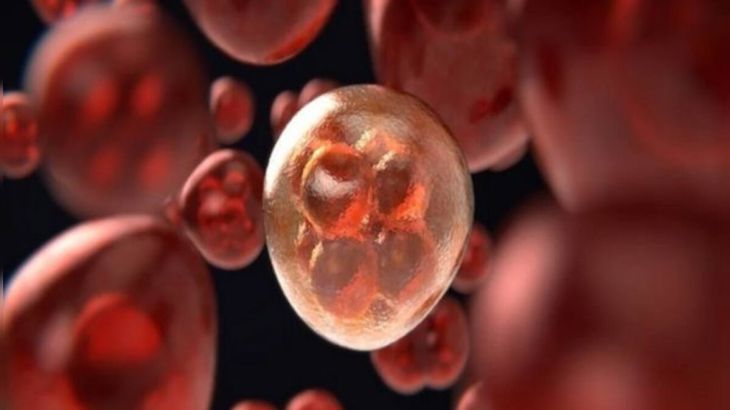
Cancer Stem Cells: The Hidden Root of Tumor Regrowth
Cancer treatment has advanced significantly in recent decades, allowing many patients to achieve remission through surgery, chemotherapy, radiation therapy, and targeted treatments. However, one of the most challenging aspects of cancer is its tendency to return even after successful therapy. Researchers have been trying to understand why tumors sometimes reappear months or years after treatment. A major discovery that helps explain this phenomenon is the existence of cancer stem cells (CSCs)—a small but powerful group of cells within tumors that can regenerate cancer.
Cancer stem cells are a special type of cell found inside many tumors. They share certain characteristics with normal stem cells, which are responsible for growth and tissue repair in the body. Normal stem cells have the ability to self-renew and produce different types of specialized cells. In a similar way, cancer stem cells can divide repeatedly and generate various types of cancer cells that make up the tumor. Because of these abilities, CSCs are often considered the “root” of cancer growth and recurrence.
Unlike the majority of tumor cells, cancer stem cells are typically present in very small numbers. However, their influence is disproportionately large. While conventional treatments may kill large numbers of rapidly dividing cancer cells, CSCs often survive. Once treatment ends, these surviving cells can begin producing new cancer cells, leading to tumor regrowth.
One reason cancer stem cells are so resilient is their ability to remain in a dormant or slow-growing state. Many cancer therapies, especially chemotherapy and radiation, are designed to target cells that are actively dividing. Dormant CSCs may escape these treatments because they are not dividing at the same rate as other cancer cells. This ability allows them to remain hidden within tissues until conditions become favorable for growth again.
Cancer stem cells also possess enhanced mechanisms for repairing DNA damage. When exposed to radiation or chemotherapy, they can quickly activate repair pathways that help them survive. Additionally, CSCs often have efficient systems for pumping harmful substances out of the cell, reducing the impact of anticancer drugs.
Several key characteristics distinguish cancer stem cells from ordinary tumor cells:
Ability to self-renew and produce new cancer stem cells.
Capacity to generate different types of tumor cells.
Resistance to chemotherapy and radiation therapy.
Potential to remain dormant for long periods.
Role in initiating tumor regrowth after treatment.
Contribution to metastasis and cancer spread.
Another important feature of cancer stem cells is their interaction with the tumor microenvironment. The microenvironment includes surrounding tissues, blood vessels, immune cells, and structural components that influence tumor behavior. CSCs often reside in specialized areas called “stem cell niches,” which provide signals that help maintain their survival and self-renewal. These niches protect cancer stem cells from immune attack and treatment effects.
The concept of cancer stem cells has changed how scientists think about tumor growth. In earlier models, tumors were believed to consist of identical cancer cells, all equally capable of dividing and forming new tumors. However, modern research suggests that tumors are more like complex ecosystems with a hierarchical structure. At the top of this hierarchy are cancer stem cells, which act as the driving force behind tumor formation.
This understanding also helps explain why some cancers become resistant to treatment. If therapy eliminates the bulk of tumor cells but leaves CSCs intact, the remaining stem cells can rebuild the tumor population. Over time, the new tumor may even become more aggressive or resistant to previously effective treatments.
Cancer stem cells are also believed to play a role in metastasis, the spread of cancer to distant organs. Because CSCs have strong survival and adaptation abilities, they may be better equipped to travel through the bloodstream or lymphatic system. Once they reach a new tissue, they can initiate the growth of a secondary tumor.
The discovery of cancer stem cells has opened new directions for cancer research and treatment. Scientists are now working to develop therapies specifically designed to target CSCs. Instead of focusing only on rapidly dividing tumor cells, future treatments may aim to eliminate the root cause of tumor growth.
Researchers are exploring several strategies to achieve this goal. Some approaches involve blocking the signaling pathways that allow cancer stem cells to maintain their stem-like properties. Others focus on disrupting the protective microenvironment that shelters CSCs. Immunotherapy is also being investigated as a way to help the immune system recognize and destroy these cells.
Another promising area of research involves identifying markers that are unique to cancer stem cells. These markers can help scientists detect CSCs within tumors and design drugs that selectively target them without harming normal stem cells.
However, this approach remains challenging because CSCs often share many similarities with healthy stem cells.
Despite these challenges, progress in this field continues to grow. Advanced laboratory techniques and genetic analysis are helping researchers better understand the biology of cancer stem cells. As knowledge expands, new treatment strategies may emerge that prevent tumor recurrence and improve long-term survival.
In conclusion, cancer stem cells represent a hidden but crucial factor in tumor regrowth and treatment resistance. Their ability to self-renew, remain dormant, and survive conventional therapies allows them to act as the foundation of many cancers.
Even when most tumor cells are destroyed, these resilient cells can regenerate the disease. By focusing research efforts on identifying and targeting cancer stem cells, scientists hope to develop therapies that not only shrink tumors but also eliminate their underlying source. Such advances could significantly reduce recurrence rates and bring us closer to more effective and lasting cancer treatments.