How Cancer Spreads and Why It Is So Deadly
Cancer becomes life-threatening not simply because abnormal cells grow, but because they acquire the ability to spread throughout the body. This spread, known as metastasis, is the primary reason cancer causes most deaths. While a small tumor confined to one location may often be removed or controlled, cancer that travels to vital organs becomes far more difficult to treat. To understand why cancer is so deadly, it is essential to examine how it spreads and what happens inside the body during that process.
Cancer begins when cells grow uncontrollably due to genetic mutations. At first, these abnormal cells may remain in one tissue. As they continue dividing, they form a tumor. In early stages, some tumors are localized, meaning they have not invaded surrounding tissues. However, over time, certain cancer cells acquire additional mutations that make them more aggressive. These cells develop the ability to break away from the original tumor and move into nearby structures.
The first step in cancer spread is local invasion. Cancer cells produce enzymes that break down surrounding connective tissue. This allows them to penetrate neighboring tissues and organs. Unlike normal cells, which respect boundaries and stop growing when they encounter other cells, cancer cells ignore these signals. They push through natural barriers and continue expanding.
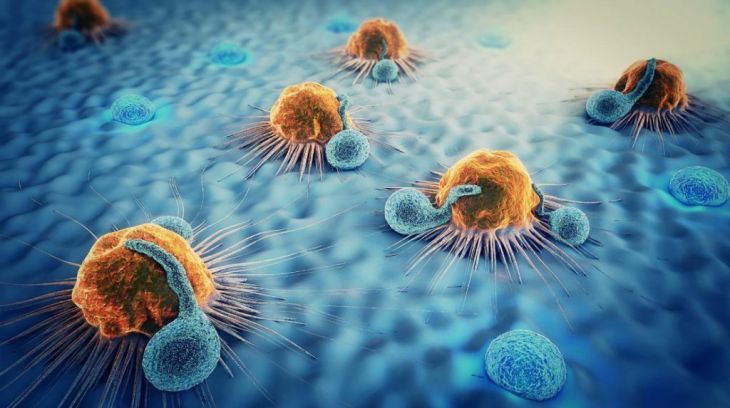
After invading nearby tissue, cancer cells may enter the bloodstream or the lymphatic system. Blood vessels and lymph channels act like highways throughout the body. Once inside these systems, cancer cells can travel to distant organs. This process is called metastasis. However, spreading is not easy; many cancer cells die during circulation. Only a small fraction survive long enough to attach to a new site and begin forming a secondary tumor.
The steps involved in metastasis are complex and highly organized. Cancer cells must detach, survive in circulation, adapt to a new environment, and stimulate blood vessel growth to support their expansion. These abilities make metastatic cells especially dangerous.
Key stages of cancer spread include:
Local invasion: Cancer cells break through nearby tissue barriers.
Intravasation: Cells enter blood vessels or lymphatic channels.
Circulation survival: Cells resist immune attack while traveling through the bloodstream.
Extravasation: Cells exit the bloodstream into new tissues.
Colonization: Cancer cells adapt and grow into secondary tumors.
One reason cancer is so deadly is that metastasis often targets vital organs. Common sites of spread include the lungs, liver, brain, and bones. When tumors develop in these organs, they interfere with essential functions. For example, cancer in the lungs can impair breathing, liver metastases can disrupt detoxification and metabolism, and brain tumors can affect cognition and movement. As organ function declines, the body struggles to maintain balance.
Another factor that contributes to cancer’s lethality is its ability to hijack the body’s resources. Tumors require nutrients and oxygen to grow. They stimulate the formation of new blood vessels in a process called angiogenesis. These new vessels feed the tumor, allowing it to expand rapidly. In doing so, cancer competes with healthy tissues for nutrients, often leading to weakness, weight loss, and fatigue.
Cancer also disrupts normal cell communication. Healthy cells respond to growth signals and stop dividing when appropriate. Cancer cells ignore these signals and continue multiplying. They may also release substances that suppress the immune system, preventing it from recognizing and destroying abnormal cells. This immune evasion allows cancer to grow unchecked.
In advanced stages, cancer can cause systemic effects throughout the body. Some tumors release inflammatory molecules that affect metabolism and muscle mass. This can lead to a condition called cachexia, characterized by severe weight and muscle loss. Even if the tumor itself is not large, these widespread effects can weaken the patient significantly.
Treatment becomes more difficult once cancer spreads. Localized tumors can often be removed surgically or treated with focused radiation. Metastatic cancer, however, requires systemic treatments such as chemotherapy, targeted therapy, or immunotherapy. Even then, eliminating every cancer cell is challenging. Metastatic cells may develop resistance to treatment, making recurrence more likely.
Cancer’s genetic instability further increases its danger. As cancer cells divide rapidly, they accumulate more mutations. Some of these mutations may make them more aggressive or resistant to therapy. This constant evolution makes cancer a moving target, requiring adaptable treatment strategies.
The timing of diagnosis also plays a major role in survival. Early detection increases the likelihood that the cancer is still localized and treatable. Once metastasis has occurred, the chances of complete cure decrease significantly. This is why screening programs and awareness of early symptoms are so important.
It is important to note that not all cancers behave the same way. Some grow slowly and remain localized for long periods, while others spread quickly. The aggressiveness depends on the type of cancer, its genetic characteristics, and the patient’s overall health.
Despite its deadly potential, advances in medicine have improved survival rates for many cancers. Early detection, improved imaging, targeted therapies, and immunotherapies have changed outcomes for countless patients. Research continues to focus on understanding the mechanisms of metastasis to develop treatments that can block or reverse the spread.
In conclusion, cancer is so deadly primarily because of its ability to spread beyond its original site. Through a complex process involving invasion, circulation, and colonization, cancer cells establish new tumors in vital organs. This disrupts essential bodily functions and makes treatment more challenging. The combination of rapid growth, immune evasion, genetic mutation, and organ damage contributes to cancer’s severity. Understanding how cancer spreads highlights the importance of early detection, effective treatment, and ongoing research in the fight against this disease.