What Are the Types, Signs, and Risk Factors of Skin Cancer?
Skin is the body's largest organ and helps protect us from sunlight, infections, and injuries. However, skin cells can sometimes grow abnormally and develop into skin cancer.

Skin is the body's largest organ and helps protect us from sunlight, infections, and injuries. However, skin cells can sometimes grow abnormally and develop into skin cancer.
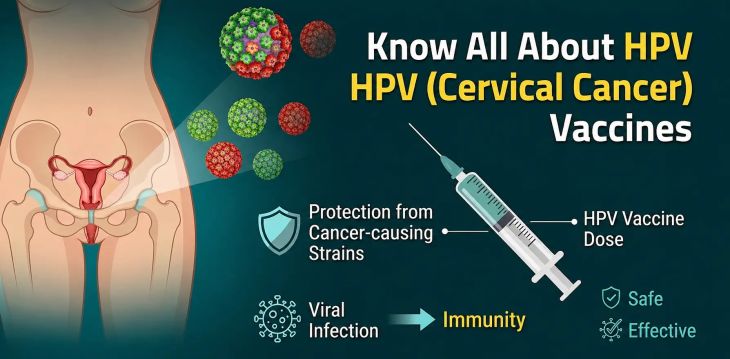
Human papillomavirus, commonly called HPV, is a very common viral infection. Most HPV infections go away on their own without causing serious health problems.
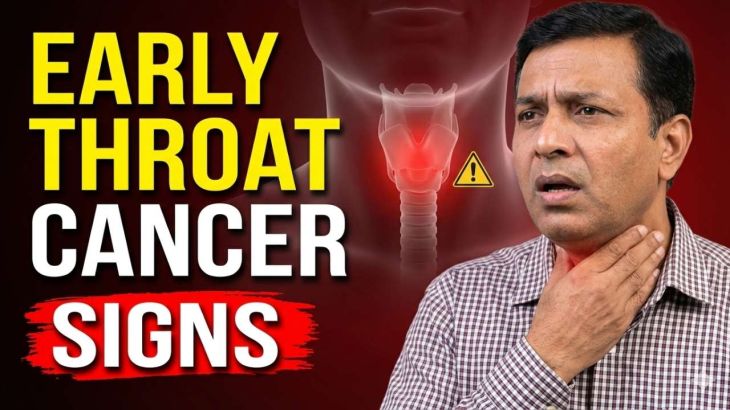
Finishing cancer treatment can bring relief, hope, and a sense of moving forward. However, many patients may still worry about whether cancer can return
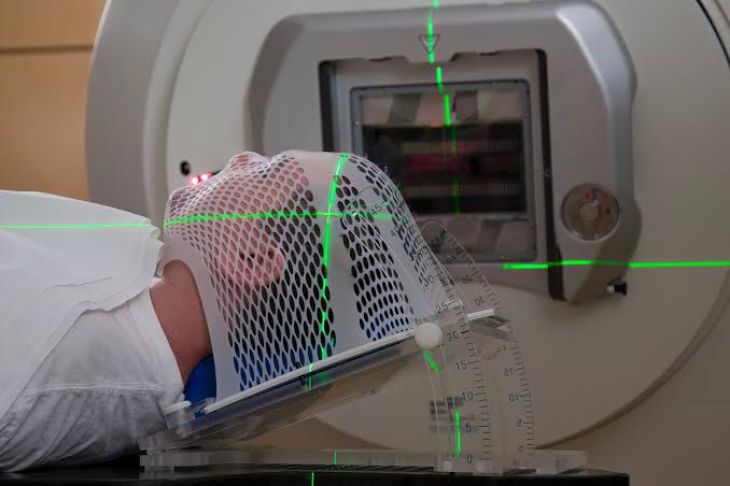
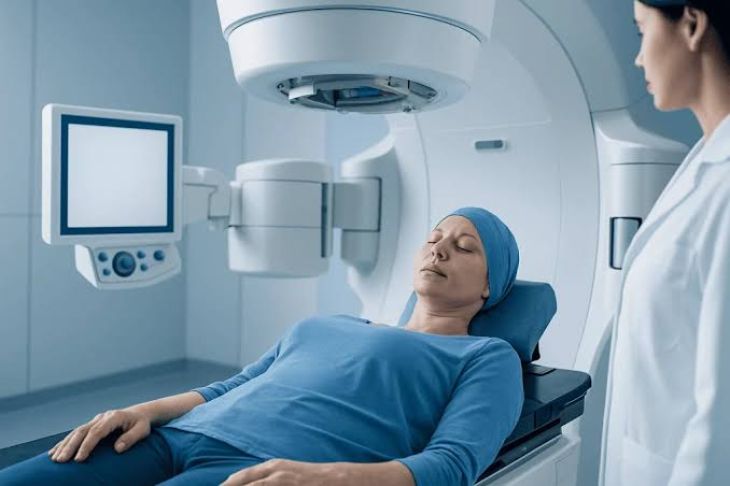
A cancer diagnosis often comes with many questions about treatment. One common treatment is radiation therapy, which uses high-energy radiation to damage and destroy cancer cells.
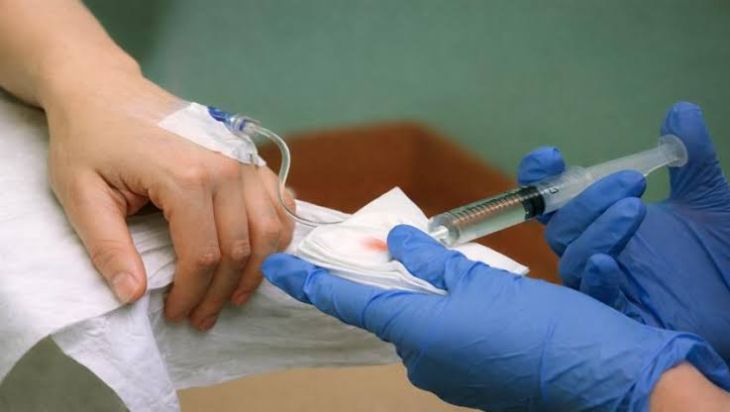
A cancer diagnosis can raise many questions about treatment, especially about how medicines can fight cancer while affecting the rest of the body. Chemotherapy is one of the most widely used cancer treatments.
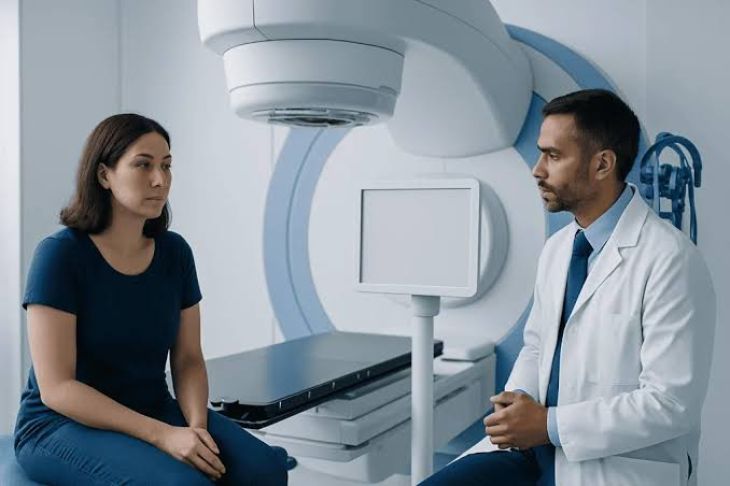
Being told that you may have cancer can be frightening and confusing. Many people immediately wonder what happens next. Cancer diagnosis is not based on one test alone. Doctors usually use a combination of medical history.
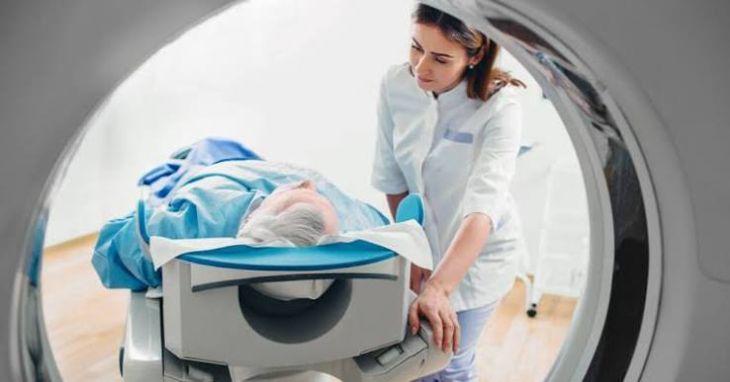
Finding out that you have a tumor can be frightening. However, not every tumor is cancerous. Tumors can generally be classified as benign or malignant, and understanding the difference can help make a diagnosis easier to understand.
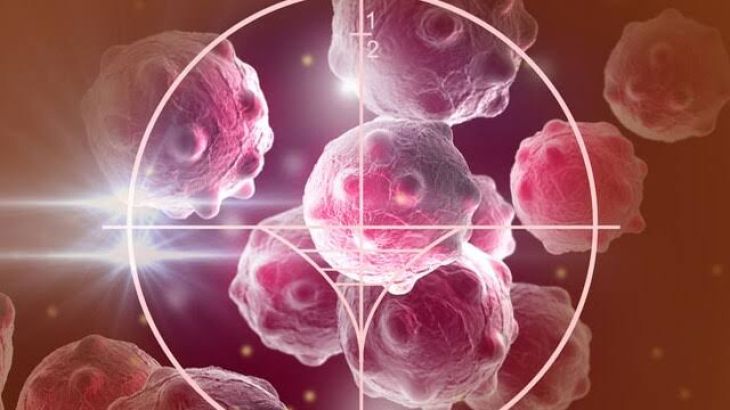
Cancer begins when abnormal cells start growing and dividing in an uncontrolled way. Unlike healthy cells, which normally grow, perform their functions, and eventually die when they are no longer needed, cancer cells can continue multiplying.
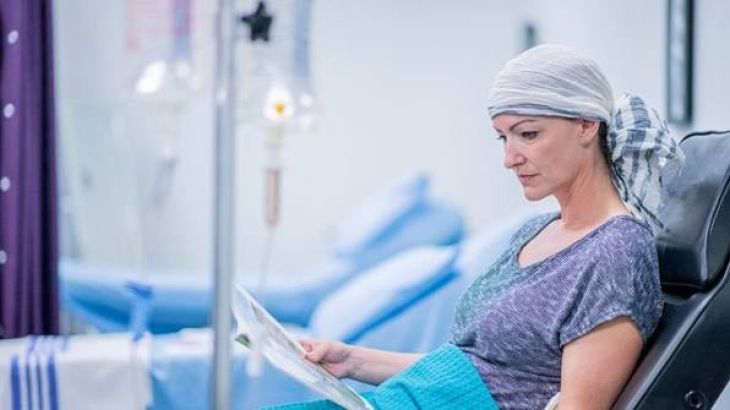
A cancer diagnosis can bring many questions, especially about what happens to the body during treatment. Cancer treatment is designed to destroy cancer cells, stop them from growing, or prevent them from spreading.