Understanding Thymic Carcinoma: Symptoms, Diagnosis, and Treatment Options
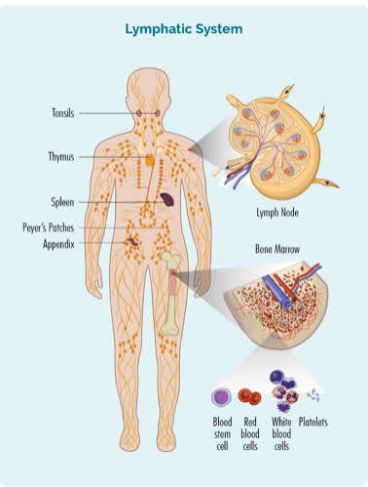
Thymic carcinoma is a rare type of cancer that develops in the thymus gland, a small organ located in the upper chest, behind the breastbone and between the lungs. The thymus plays an important role in the immune system, especially during childhood, by helping certain white blood cells called T cells mature.
Although thymic carcinoma is uncommon, it can grow aggressively and may spread to nearby tissues or distant organs. Some people do not notice symptoms during the early stages. In other cases, the tumor causes chest discomfort, breathing problems, or other changes.
Understanding its warning signs, diagnosis, and available treatments can help patients make informed decisions with their medical team.
What Is Thymic Carcinoma?
Thymic carcinoma is a malignant tumor that begins in the epithelial cells of the thymus. These cells form the tissue that gives the thymus its structure.
It is different from a thymoma, another type of tumor that develops in the thymus. Thymomas often grow more slowly, while thymic carcinomas tend to have more aggressive behavior and a greater chance of spreading.
Thymic carcinoma may spread to nearby lymph nodes, the lining around the lungs, the heart, or other organs. The exact behavior depends on the tumor type and stage.
Common Symptoms of Thymic Carcinoma
Symptoms can vary depending on the tumor's size and whether it has affected nearby structures. Some people discover the condition during a chest scan performed for another reason.
Common symptoms include:
-
Persistent cough: A growing tumor may press against the airways and cause an ongoing cough.
-
Chest pain: Some patients experience discomfort or pressure in the chest.
-
Shortness of breath: Pressure on the lungs or airways may make breathing difficult.
-
Difficulty swallowing: A large tumor can press against the food pipe.
-
Hoarseness: Pressure or involvement of nearby nerves may affect the voice.
-
Facial or neck swelling: If the tumor compresses a major vein in the chest, blood flow from the upper body may become restricted.
-
Unexplained weight loss: Some people experience weight loss, tiredness, or reduced appetite.
These symptoms can occur with several other medical conditions. Having one or more of them does not automatically mean a person has thymic carcinoma.
What Causes Thymic Carcinoma?
The exact cause of thymic carcinoma is not fully understood. It develops when changes in the DNA of thymic cells cause them to grow and multiply abnormally.
Unlike some other cancers, no specific lifestyle habit has been clearly established as a direct cause of this disease.
Researchers continue to study genetic changes and biological processes that may contribute to its development. However, many patients have no known risk factor.
Thymic carcinoma is not generally linked to the autoimmune conditions that are sometimes seen with thymoma.
How Is Thymic Carcinoma Diagnosed?
Doctors use imaging tests, tissue examination, and other medical assessments to identify thymic carcinoma and determine whether it has spread.
Chest Imaging
A chest X-ray may reveal an abnormal mass in the area where the thymus is located. A CT scan provides more detailed images and helps doctors examine the tumor's size and position.
An MRI or PET scan may also be recommended in selected cases to assess nearby structures or look for possible spread.
Biopsy
A biopsy involves collecting a small tissue sample from the suspected tumor. A pathologist examines the sample under a microscope to determine whether cancer cells are present and identify the tumor type.
The biopsy approach depends on the tumor's location and whether surgery may be possible. In some cases, doctors may plan surgery after imaging without performing a separate biopsy first.
Additional Tests
Doctors may recommend blood tests and other examinations to assess general health and prepare for treatment. They may also examine nearby lymph nodes and other organs to understand the extent of the disease.
Treatment Options for Thymic Carcinoma
Treatment depends on the tumor's stage, location, whether it can be completely removed, and the patient's overall health. A team of specialists may work together to create a treatment plan.
Surgery
Surgery is often an important option when the tumor can be safely removed. The goal is to take out the cancer along with an appropriate amount of surrounding tissue when necessary.
Complete removal may improve the chances of controlling localized disease. However, surgery may not be suitable if the cancer has spread extensively or involves structures that cannot be safely removed.
Radiation Therapy
Radiation therapy uses high-energy rays to destroy cancer cells. It may be recommended after surgery if there is a risk that cancer cells remain.
It can also be used when the tumor cannot be removed completely or when surgery is not possible.
Chemotherapy
Chemotherapy uses medicines to kill cancer cells or slow their growth. It may be used before surgery to shrink a tumor, after surgery in selected cases, or when the cancer has spread.
Doctors often use combinations of chemotherapy medicines depending on the patient's condition.
Targeted Therapy and Immunotherapy
Some thymic carcinomas contain specific molecular changes that may make targeted medicines an option. Doctors may recommend molecular testing to look for treatment-related biomarkers.
Immunotherapy works by helping the immune system recognize and attack cancer cells. It may be considered in selected advanced cases, but it requires careful medical assessment because immune-related side effects can be serious.
Clinical Trials
Because thymic carcinoma is rare, researchers continue to study new treatment combinations and medicines. Eligible patients may consider clinical trials after discussing possible benefits and risks with their oncology team.
Can Thymic Carcinoma Be Prevented?
There is currently no proven way to prevent thymic carcinoma. Since its exact cause is unknown, avoiding a particular food, habit, or environmental factor cannot guarantee protection.
Maintaining general health and seeking medical attention for persistent or unexplained symptoms are sensible steps. People diagnosed with the disease should follow their recommended treatment and monitoring schedule.
FAQs
Is thymic carcinoma the same as thymoma?
No. Both develop in the thymus, but they are different tumors. Thymic carcinoma generally behaves more aggressively and has a greater tendency to spread.
Is thymic carcinoma a rare cancer?
Yes. It is an uncommon cancer, and it accounts for a small proportion of tumors that develop in the thymus.
Can thymic carcinoma spread to other organs?
Yes. It may spread to nearby tissues, lymph nodes, the lining around the lungs, or distant organs. The risk depends on the stage and tumor characteristics.
Can thymic carcinoma be cured?
Some patients with localized disease may achieve long-term control after treatment, particularly when the tumor can be completely removed. Outcomes vary depending on the stage, tumor behavior, and response to treatment.
Does thymic carcinoma always cause symptoms?
No. Some tumors are discovered during imaging for unrelated health concerns. Symptoms may develop as the tumor grows or affects nearby structures.
Conclusion
Thymic carcinoma is a rare cancer that begins in the thymus gland and may grow or spread to nearby tissues and other organs. Warning signs can include persistent coughing, chest pain, breathing difficulties, swallowing problems, and unexplained weight loss. Imaging scans and tissue examination help doctors confirm the diagnosis and determine the stage. Treatment may involve surgery, radiation therapy, chemotherapy, targeted medicines, or immunotherapy. Early medical evaluation and an individualized treatment plan are important for managing this condition.