How Does Chemotherapy Target Cancer Cells?
A cancer diagnosis can raise many questions about treatment, especially about how medicines can fight cancer while affecting the rest of the body. Chemotherapy is one of the most widely used cancer treatments. It uses powerful medicines to destroy cancer cells, slow their growth, or stop them from spreading.
Chemotherapy can be used alone or together with other treatments, such as surgery, radiation therapy, immunotherapy, or targeted therapy. Understanding how chemotherapy works and why it causes side effects can help patients and families better understand the treatment process.
What Is Chemotherapy?
Chemotherapy is a treatment that uses medicines to attack cancer cells. Cancer cells usually grow and divide much faster than many normal cells. Many chemotherapy medicines work by interfering with this rapid growth and division.
Depending on the type and stage of cancer, chemotherapy may be used to:
-
Destroy cancer cells
-
Shrink a tumor before surgery
-
Kill cancer cells left after surgery
-
Slow cancer growth
-
Prevent cancer from spreading
-
Relieve symptoms caused by advanced cancer
The treatment plan depends on the type of cancer, its stage, and the patient's overall health.
How Does Chemotherapy Kill Cancer Cells?
Cancer cells grow and divide in an uncontrolled way. Chemotherapy medicines can interfere with different parts of this process.
Some medicines damage the DNA inside cancer cells. Others prevent cells from dividing properly or interfere with the processes needed for cell growth.
When cancer cells become too damaged to survive, they may die. The body then removes these damaged cells.
Different chemotherapy medicines work in different ways, which is why doctors may combine several medicines to create a treatment plan that is more effective against a particular cancer.
Why Does Chemotherapy Affect Healthy Cells?
One of the biggest challenges with chemotherapy is that it can also affect some healthy cells that grow and divide quickly.
Cells in the hair follicles, digestive system, and bone marrow divide frequently. Because chemotherapy can affect these cells, patients may experience side effects.
This does not mean chemotherapy is harming every healthy cell in the body. The effects depend on the medicine, dose, treatment schedule, and individual response.
What Are Common Chemotherapy Side Effects?
Side effects can vary greatly from person to person. Some patients experience several side effects, while others have only mild symptoms.
Common effects may include:
-
Tiredness
-
Nausea
-
Changes in appetite
-
Hair loss
-
Mouth sores
-
Changes in taste
-
Diarrhea or constipation
-
Increased risk of infection
-
Easy bruising or bleeding
Many side effects are temporary and improve after treatment ends. Doctors can also recommend medicines and other strategies to help manage them.
Why Does Chemotherapy Cause Hair Loss?
Hair follicles contain cells that divide quickly, making them sensitive to certain chemotherapy medicines.
When these medicines affect the hair follicles, hair may become thinner or fall out. Hair loss can occur on the scalp and sometimes on other parts of the body.
Not every chemotherapy medicine causes hair loss, and the amount of hair loss can vary.
For many people, hair begins growing again after treatment ends, although the timing and appearance of new hair may differ.
How Does Chemotherapy Affect the Immune System?
Some chemotherapy medicines can affect the bone marrow, where blood cells are produced. This may temporarily reduce the number of white blood cells available to fight infections.
As a result, some patients receiving chemotherapy may have a higher risk of infection.
Doctors may monitor blood counts during treatment. Patients should tell their healthcare team about signs of infection or other unusual symptoms.
How Is Chemotherapy Given?
Chemotherapy can be given in different ways depending on the cancer and medicine.
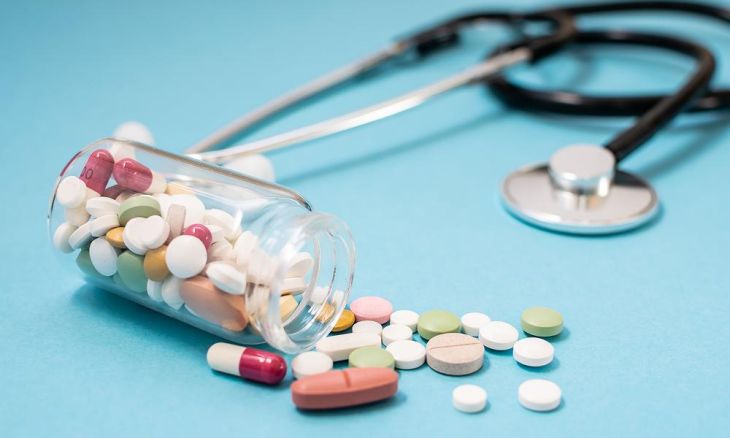
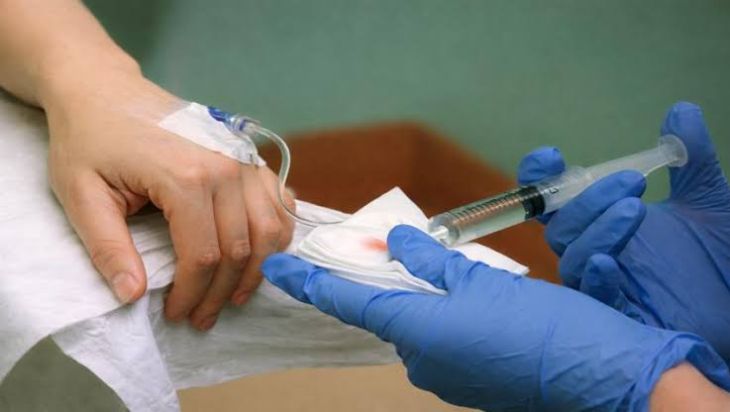
Some chemotherapy medicines are taken as tablets or capsules. Others are given directly into a vein through an intravenous infusion.
Treatment may be given in cycles. A cycle usually includes a treatment period followed by a rest period, allowing the body time to recover before the next treatment.
The number and length of treatment cycles vary from one patient to another.
Is Chemotherapy Always Used Alone?
No. Chemotherapy is often combined with other cancer treatments.
For example, chemotherapy may be given before surgery to shrink a tumor. This is sometimes called neoadjuvant therapy.
It may also be given after surgery to destroy cancer cells that may remain in the body. This is known as adjuvant therapy.
In some cases, chemotherapy is combined with radiation therapy or other medicines to improve cancer control.
FAQs
What is the main purpose of chemotherapy?
Chemotherapy may be used to destroy cancer cells, shrink tumors, slow cancer growth, prevent cancer from returning, or relieve symptoms.
Does chemotherapy kill healthy cells?
Chemotherapy mainly targets rapidly dividing cells, but some healthy cells also divide quickly. This is why certain side effects can occur.
Does everyone lose their hair during chemotherapy?
No. Hair loss depends on the type of chemotherapy medicine and the treatment plan. Some people may experience thinning rather than complete hair loss.
How long do chemotherapy side effects last?
Some side effects improve shortly after treatment, while others may take longer to disappear. The recovery period depends on the medicine and the individual.
Can chemotherapy cure cancer?
It can cure some cancers, while in other cases it is used to control cancer, reduce symptoms, or improve the effectiveness of other treatments.
Conclusion
Chemotherapy works by using medicines that interfere with the growth and division of cancer cells. Because some healthy cells also divide quickly, chemotherapy can cause side effects such as tiredness, nausea, hair loss, and changes in blood cell levels.