How Do Cancer Cells Grow and Spread in the Body?
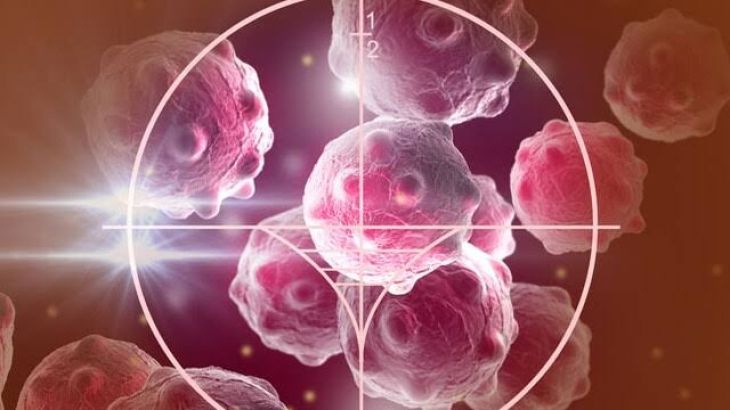
Cancer begins when abnormal cells start growing and dividing in an uncontrolled way. Unlike healthy cells, which normally grow, perform their functions, and eventually die when they are no longer needed, cancer cells can continue multiplying. They may also invade nearby tissues and travel to other parts of the body.
Understanding how cancer cells grow and spread can help explain why early detection and treatment are so important.
What Are Cancer Cells?
The human body contains trillions of cells. Healthy cells follow carefully controlled instructions that tell them when to grow, divide, repair themselves, and die.
Cancer develops when changes occur in the DNA that controls these processes. These changes can cause cells to multiply when they should not or prevent damaged cells from dying.
Over time, these abnormal cells can form a mass called a tumor. Some tumors are benign, meaning they do not invade nearby tissues or spread to other parts of the body. Cancerous tumors are malignant and can invade surrounding tissues.
How Do Cancer Cells Grow?
Cancer cells grow differently from healthy cells. They can ignore signals that normally tell cells to stop dividing. They may also avoid natural processes that cause damaged or unnecessary cells to die.
As cancer cells continue dividing, they can accumulate within an area and form a tumor.
Cancer cells may also develop additional changes that help them survive. Some can obtain nutrients from their surroundings, resist signals that would normally stop their growth, and avoid parts of the immune system.
These abilities allow cancer to continue developing if it is not detected and treated.
How Do Cancer Cells Invade Nearby Tissues?
As a tumor grows, cancer cells can begin moving beyond the tissue where they first developed.
They may break through surrounding tissue and invade nearby structures. This local invasion can affect how nearby organs work and may cause symptoms depending on the tumor's location.
For example, a growing tumor may press against nerves, blood vessels, or other organs. This can cause pain, swelling, changes in normal organ function, or other symptoms.
What Is Metastasis?
When cancer cells spread from their original location to distant parts of the body, the process is called metastasis.
Metastatic cancer is sometimes referred to as advanced cancer. The cells that spread are still the same type of cancer as the original tumor.
For example, if breast cancer cells spread to the lungs, the cancer is still breast cancer rather than lung cancer.
How Do Cancer Cells Spread?
Cancer cells can travel through the body's blood vessels or lymphatic system.
The lymphatic system is part of the immune system and contains a network of vessels and lymph nodes throughout the body. Cancer cells can enter this system and travel to nearby or distant lymph nodes.
Cancer cells can also enter blood vessels and travel through the bloodstream to other areas.
Not every cancer cell that enters the blood or lymphatic system successfully forms a new tumor. Many cells die along the way. However, some may survive and reach another part of the body.
How Does a New Tumor Form?
When cancer cells reach a new location, they may settle into the surrounding tissue and begin growing.
For a new tumor to develop, cancer cells must adapt to their new environment. They may stimulate the growth of new blood vessels to obtain oxygen and nutrients.
This process is known as angiogenesis. A steady supply of blood can help a growing tumor survive and continue developing.
Why Do Some Cancers Spread Faster Than Others?
Different cancers behave in different ways. Some grow slowly and may remain in one location for a long time, while others can grow and spread more quickly.
The behavior of a cancer can depend on its type, genetic changes, tumor characteristics, location, and how early it is detected.
Doctors use tests such as imaging scans, biopsies, and laboratory tests to understand how a cancer is behaving and whether it has spread.
What Symptoms Can Cancer Spread Cause?
The symptoms of cancer depend on where the cancer develops and whether it spreads.
Possible symptoms can include:
-
Unexplained weight loss
-
Persistent tiredness
-
Unusual lumps or swelling
-
Ongoing pain
-
Changes in bowel or bladder habits
-
Persistent cough or breathing problems
-
Unexplained bleeding
-
Changes in the skin
-
Loss of appetite
These symptoms can also be caused by many conditions that are not cancer. However, persistent or unexplained changes should be discussed with a healthcare professional.
Why Is Early Detection Important?
Cancer is often easier to treat when it is found before it has spread to distant parts of the body.
Regular screenings can help detect certain cancers before symptoms appear. Examples include screening for breast, cervical, colorectal, and lung cancers in people who meet recommended criteria.
Recognizing unusual symptoms and attending recommended health checkups can also help identify potential problems earlier.
FAQs
What makes cancer cells different from healthy cells?
Cancer cells can grow and divide without normal controls. They may also avoid natural cell death and invade nearby tissues.
What is cancer metastasis?
Metastasis occurs when cancer cells leave the original tumor and spread to distant parts of the body.
Can cancer spread through the blood?
Yes. Cancer cells can enter blood vessels, travel through the bloodstream, and potentially establish tumors in other parts of the body.
Does every cancer spread?
No. Some cancers remain localized, while others are more likely to invade nearby tissues or spread to distant organs.
Conclusion
Cancer cells grow when changes in their genetic instructions allow them to multiply without normal control. As they continue developing, some cancer cells can invade nearby tissues and travel through the blood or lymphatic system to distant parts of the body.
This spread, known as metastasis, can make cancer more difficult to treat. However, advances in cancer research have led to many effective treatment options for different types and stages of cancer.