Angiosarcoma: Symptoms, Causes, Diagnosis and Treatment
Angiosarcoma is a rare and aggressive type of cancer that develops in the cells lining blood vessels or lymphatic vessels. These vessels normally carry blood or lymph fluid throughout the body. When their lining cells become abnormal and grow uncontrollably, they can form cancerous tumors.
This cancer can develop in different parts of the body, including the skin, breast, liver, heart, and deeper soft tissues. Its symptoms depend on the location and size of the tumor. Because some early signs look like common skin or tissue problems, angiosarcoma can sometimes be difficult to recognize.
Understanding its warning signs, possible risk factors, and treatment options can help patients seek medical attention and receive appropriate care.
What Is Angiosarcoma?
Angiosarcoma is a type of soft tissue sarcoma that begins in the cells lining blood vessels or lymphatic vessels.
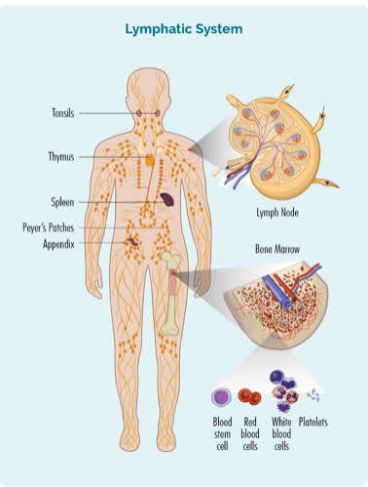
Blood vessels transport oxygen and nutrients throughout the body, while lymphatic vessels carry lymph fluid and help the immune system remove waste and fight infections.
Angiosarcoma can develop almost anywhere these vessels are present. However, it most commonly affects the skin and soft tissues. It may also develop in internal organs.
The disease is known for its ability to grow quickly and spread to other parts of the body. Early diagnosis and treatment planning are important because its behavior can vary depending on the tumor's location and stage.
Common Types of Angiosarcoma
Angiosarcoma is classified according to the part of the body where it develops.
Cutaneous Angiosarcoma
This type develops in the skin, especially on the scalp and face of older adults. It may appear as a reddish, purple, or bruise-like patch that gradually becomes larger.
Breast Angiosarcoma
Angiosarcoma can develop in breast tissue. It may occur without a known risk factor or, less commonly, after radiation therapy for an earlier breast cancer.
Radiation-Associated Angiosarcoma
In some patients, angiosarcoma develops in an area that previously received radiation treatment. It may appear years after the original treatment.
Lymphatic Angiosarcoma
This rare form develops in lymphatic vessels. It has historically been associated with long-term swelling caused by impaired lymph drainage, although it is uncommon.
Visceral Angiosarcoma
This type develops in internal organs such as the liver, heart, or spleen. Symptoms may remain unclear until the tumor grows or affects organ function.
Common Warning Signs of Angiosarcoma
Symptoms depend on where the cancer develops. Some tumors cause visible skin changes, while others produce internal symptoms.
Common warning signs include:
-
Unusual skin patches: Red, purple, or bruise-like areas may appear and gradually increase in size.
-
Swelling: Affected areas may become swollen or feel thicker than normal.
-
Lumps: A growing mass may develop under the skin or in deeper tissues.
-
Pain or tenderness: Some tumors cause discomfort, although early lesions may be painless.
-
Bleeding: Fragile tumor blood vessels may bleed easily.
-
Unexplained bruising: Skin discoloration may appear without a clear injury.
-
Abdominal discomfort: Angiosarcoma involving the liver or other abdominal organs may cause pain or swelling.
-
Breathing difficulties: Tumors involving the chest or heart may affect normal breathing or circulation.
These symptoms do not necessarily indicate cancer. However, unusual skin changes, unexplained swelling, or a growing lump should be examined by a healthcare professional.
What Causes Angiosarcoma?
The exact cause of most angiosarcoma cases is unknown. However, researchers have identified several factors that may increase the risk.
Previous radiation therapy: People who have received radiation treatment for another cancer may have a higher risk of developing angiosarcoma in the treated area.
Chronic lymphedema: Long-term swelling caused by poor lymph drainage is associated with a rare form of lymphatic angiosarcoma.
Certain chemical exposures: Exposure to substances such as vinyl chloride and arsenic has been linked to some cases, particularly angiosarcoma of the liver.
Genetic changes: Changes in cellular DNA can cause blood vessel or lymphatic vessel lining cells to grow abnormally.
However, many people diagnosed with angiosarcoma have no identifiable risk factors.
How Is Angiosarcoma Diagnosed?
Diagnosing angiosarcoma requires a combination of medical examination, imaging, and laboratory testing.
Physical Examination
Doctors examine unusual skin patches, swelling, lumps, or other affected areas. They also review medical history, previous radiation treatment, and possible exposure to certain chemicals.
Imaging Tests
Imaging helps doctors identify the tumor and determine whether it has spread.
-
MRI: Provides detailed images of soft tissues and helps assess the tumor's size and location.
-
CT Scan: Helps examine internal organs and check for possible spread.
-
PET Scan: May help identify areas of abnormal metabolic activity throughout the body.
The choice of imaging tests depends on the suspected tumor location.
Biopsy
A biopsy is essential for confirming angiosarcoma. Doctors collect a small tissue sample from the suspicious area and send it to a laboratory.
A pathologist examines the cells under a microscope and may use special tests to identify markers associated with blood vessel or lymphatic vessel cells.
Additional Tests
Blood tests and other investigations may be recommended to assess general health and organ function before treatment begins.
Treatment Options for Angiosarcoma
Treatment depends on the tumor's location, size, stage, and whether it has spread. Because angiosarcoma can behave aggressively, doctors may use a combination of treatments.
Surgery
Surgery is often considered when the tumor is localized and can be removed safely.
The goal is to remove the cancer along with a margin of surrounding healthy tissue when possible. The surgical approach depends on the affected body part and the extent of the disease.
Radiation Therapy
Radiation therapy uses high-energy rays to damage cancer cells. It may be recommended after surgery to reduce the risk of local recurrence or used when complete surgical removal is not possible.
Chemotherapy
Chemotherapy uses medicines to destroy cancer cells or slow their growth. It may be considered when the tumor is advanced, has spread, or cannot be removed through surgery.
Medicines such as paclitaxel and doxorubicin may be used depending on the patient's condition and treatment plan.
Targeted Therapy
Targeted medicines are designed to act on specific biological processes involved in cancer growth. Some may be considered for selected patients with advanced angiosarcoma, depending on the tumor and available evidence.
Immunotherapy and Clinical Trials
Immunotherapy is being studied for certain angiosarcomas, but its effectiveness can vary. Clinical trials may provide access to newer treatment approaches for eligible patients.
Patients should discuss potential benefits, risks, and available research options with a specialist.
Can Angiosarcoma Be Prevented?
There is no guaranteed way to prevent angiosarcoma because many cases develop without a known cause.
Avoiding unnecessary exposure to harmful chemicals and following workplace safety guidelines may reduce certain exposure-related risks. People who have received radiation therapy or have long-term lymphedema should discuss unusual changes in the affected area with their healthcare team.
Regular medical evaluation can help identify suspicious changes earlier.
FAQs
Is angiosarcoma a rare cancer?
Yes. Angiosarcoma is a rare type of soft tissue sarcoma that develops from the cells lining blood or lymphatic vessels.
Is angiosarcoma aggressive?
Yes. It is generally considered an aggressive cancer because it can grow quickly and spread to other organs. However, its behavior varies depending on the location and stage.
Can angiosarcoma develop in the skin?
Yes. Skin involvement is one of the more common forms. It often affects the scalp and face and may appear as a red, purple, or bruise-like patch.
Can angiosarcoma come back after treatment?
Yes. Angiosarcoma can return after treatment, particularly in the area where it originally developed. Regular follow-up examinations and imaging may help doctors monitor for recurrence.
What is the survival outlook for angiosarcoma?
The outlook varies widely depending on tumor location, stage, size, and response to treatment. Localized disease that can be completely removed may have a different outlook from cancer that has spread to distant organs.
Conclusion
Angiosarcoma is a rare and aggressive cancer that develops in the lining cells of blood or lymphatic vessels. It can affect the skin, breast, liver, heart, and other tissues. Warning signs may include unusual skin patches, swelling, growing lumps, pain, or unexplained bleeding. Imaging tests and biopsy help doctors confirm the diagnosis and assess the disease. Treatment may involve surgery, radiation therapy, chemotherapy, targeted medicines, or clinical trials. Early medical evaluation and care from a specialist experienced in sarcomas are important for managing this condition.
Is this conversation helpful so far?