How Can HPV Infection Increase the Risk of Certain Cancers?
Human papillomavirus, commonly called HPV, is a very common viral infection. Most HPV infections go away on their own without causing serious health problems. However, certain types of HPV can persist in the body and cause changes in cells that may eventually lead to cancer.
HPV is linked to several types of cancer, including cervical, anal, penile, vulvar, vaginal, and some cancers of the mouth and throat. Understanding the connection between HPV and cancer can help people recognize the importance of prevention, vaccination, and recommended screening.
What Is HPV?
HPV is a group of more than 200 related viruses. Some types can cause skin warts, while others can affect areas such as the genitals, anus, and throat.
HPV is commonly transmitted through intimate skin-to-skin contact. A person can have HPV without knowing it because the infection often causes no symptoms.
In most cases, the immune system clears the infection naturally. The concern arises when certain high-risk HPV types remain in the body for a long time.
How Can HPV Lead to Cancer?
Certain high-risk HPV types can interfere with the normal behavior of infected cells.
When a high-risk infection persists, it can cause changes in cells over time. These abnormal cells may develop into precancerous changes and, eventually, cancer if they are not detected and managed.
This process usually takes years rather than happening suddenly.
Not everyone with HPV develops cancer. In fact, most people with HPV never develop cancer. The greatest concern is a persistent infection with a high-risk type.
Which Cancers Are Linked to HPV?
HPV is associated with several types of cancer.
Cervical Cancer
HPV is the main cause of cervical cancer. Persistent infection with high-risk HPV types can cause abnormal changes in cells of the cervix.
Regular cervical cancer screening can identify abnormal cell changes before they become cancerous, allowing them to be monitored or treated.
Anal Cancer
Certain HPV infections can cause abnormal cell changes in the anus. Persistent high-risk HPV infection is associated with anal cancer.
Oropharyngeal Cancer
HPV can also infect areas of the throat, including the back of the tongue and tonsils. Certain HPV infections are linked to some cancers of the oropharynx.
Penile Cancer
Persistent high-risk HPV infection can contribute to some cases of penile cancer.
Vulvar and Vaginal Cancer
HPV is also associated with some cancers affecting the vulva and vagina.
Does Having HPV Mean You Will Get Cancer?
No. Having HPV does not mean that you will develop cancer.
HPV infections are extremely common, and most are cleared by the immune system. Only a smaller portion of infections persist and cause cell changes that may eventually become cancer.
Several factors can influence whether an HPV infection persists, including the specific HPV type and a person's immune response.
This is why an HPV diagnosis should not automatically be viewed as a cancer diagnosis.
Why Is HPV Screening Important?
For people who are eligible for cervical cancer screening, HPV testing can help identify high-risk infections that may increase the risk of cervical cell changes.
Screening may also involve a Pap test, which examines cervical cells for abnormalities.
Finding HPV or abnormal cells early gives healthcare professionals an opportunity to monitor or treat changes before they progress to cancer.
Screening recommendations vary by age, health history, and local medical guidelines, so it is important to follow the recommendations provided by a healthcare professional.
Can HPV Be Prevented?
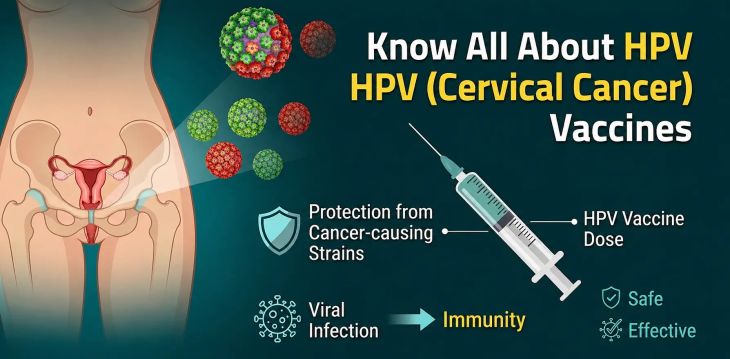
One of the most effective ways to reduce the risk of HPV-related cancers is HPV vaccination.
The HPV vaccine protects against several HPV types that are responsible for many HPV-related cancers and other health problems.
Vaccination is most effective when given before exposure to HPV, which is why it is routinely recommended during childhood or adolescence in many countries. Some adults may also be eligible for vaccination depending on their age and circumstances.
Talk with a healthcare professional about whether HPV vaccination is appropriate for you or your child.
Can HPV Infection Be Treated?
There is no medicine that directly removes HPV from the body. In many cases, the immune system clears the infection naturally.
However, healthcare professionals can treat health problems caused by HPV, including genital warts and abnormal or precancerous cell changes.
Regular screening is particularly important because precancerous changes may not cause noticeable symptoms.
What Are the Symptoms of HPV-Related Cancer?
HPV itself often causes no symptoms. Symptoms of cancer depend on where the cancer develops.
Possible warning signs can include:
-
Unusual bleeding
-
Persistent pain
-
A lump or unusual growth
-
Persistent sore throat
-
Difficulty swallowing
-
Changes in bowel habits
-
Unexplained weight loss
-
Persistent sores or skin changes
These symptoms can have many causes and do not necessarily indicate cancer.
FAQs
Does HPV always cause cancer?
No. Most HPV infections clear naturally and never cause cancer. Persistent infection with certain high-risk HPV types is the main concern.
Which cancer is most strongly associated with HPV?
HPV is the main cause of cervical cancer, but it is also linked to several other cancers, including anal, penile, vulvar, vaginal, and some oropharyngeal cancers.
Can the HPV vaccine prevent cancer?
The HPV vaccine can help prevent infections with HPV types that are responsible for many HPV-related cancers. It is an important cancer-prevention tool.
Can HPV go away on its own?
Yes. Most HPV infections are cleared naturally by the immune system without treatment.
Can HPV be detected through screening?
Certain high-risk HPV infections can be detected through HPV testing, particularly as part of cervical cancer screening. Screening recommendations depend on individual circumstances and local guidelines.
Conclusion
HPV is a very common infection, and most infections do not lead to cancer. However, certain high-risk HPV types can persist in the body and cause cell changes that may eventually develop into cancer.
HPV is linked to cervical, anal, penile, vulvar, vaginal, and some oropharyngeal cancers. The good news is that vaccination and recommended screening can significantly reduce the risk of many HPV-related cancers.