Lung Cancer Risk Factors: What Increases the Chances of Developing the Disease?
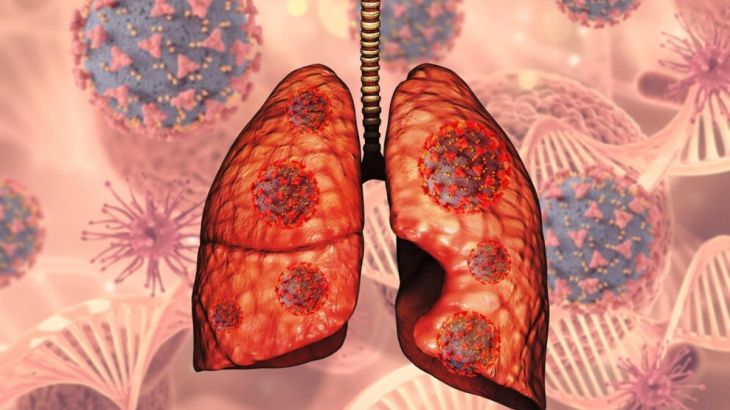
Lung cancer is one of the most serious health conditions affecting people around the world. It begins when certain cells inside the lungs start growing in an uncontrolled manner and eventually form abnormal masses known as tumors. Although medical science has made significant progress in diagnosing and treating cancer, lung cancer continues to cause a large number of deaths each year. One major reason is that many people do not realize they are at risk until symptoms become noticeable. Understanding the factors that increase the likelihood of developing lung cancer can help individuals make informed decisions about their health. While smoking is widely recognized as a major cause, it is not the only factor involved. Environmental conditions, workplace exposure, family history, and daily lifestyle habits can all contribute to the development of the disease. Learning about these risks does not mean a person will definitely develop lung cancer, but it helps identify areas where preventive action can be taken. By increasing awareness and encouraging healthier choices, many cases may be prevented or detected earlier when treatment is often more effective.
Tobacco Use and Its Impact on Lung Health
Among all known risk factors, tobacco use remains the most significant contributor to lung cancer. Cigarettes contain numerous harmful substances that enter the lungs every time a person inhales smoke. Over the years, these chemicals can damage healthy lung tissue and affect the normal behavior of cells. As damage accumulates, the possibility of abnormal cell growth increases. The risk generally rises with the number of years a person smokes and the quantity of tobacco consumed. However, smoking is not limited to cigarettes alone. Cigars, pipes, and other tobacco products can also expose the body to dangerous substances. In addition, people who regularly breathe smoke from others may face health risks even if they have never smoked themselves. This is often referred to as passive or secondhand smoke exposure. The encouraging news is that quitting tobacco at any stage can benefit lung health. The body begins repairing itself soon after smoking stops, and the risk of lung cancer gradually decreases over time. Avoiding tobacco remains one of the most effective ways to protect the lungs and improve overall well-being.
Environmental and Workplace Exposures
Many people associate lung cancer only with smoking, but environmental conditions can also play an important role. Certain harmful substances present in homes, cities, and workplaces may increase cancer risk after long-term exposure. One example is radon gas, a naturally occurring gas that can accumulate inside buildings without noticeable signs. Continuous exposure over many years may damage lung tissue. Air pollution is another concern, especially in densely populated urban areas where vehicle emissions and industrial activities release fine particles into the atmosphere. These particles can enter the respiratory system and contribute to chronic irritation. Workplace hazards are equally important. Individuals employed in industries such as mining, construction, manufacturing, and chemical processing may come into contact with substances capable of harming the lungs. Repeated exposure to dust, fumes, and industrial chemicals can increase long-term health risks. Following safety guidelines, using protective equipment, and maintaining proper ventilation in workplaces can significantly reduce exposure. Awareness of environmental risks allows individuals and communities to take preventive measures that support healthier living conditions.
Family History and Personal Health Factors
Not all lung cancer cases can be explained by environmental exposure or smoking. In some situations, inherited characteristics may influence a person's susceptibility to the disease. Individuals with close family members who have experienced lung cancer may face a higher risk compared to those without such a history. This does not mean that cancer is guaranteed to occur, but genetic factors can sometimes affect how the body responds to harmful exposures. Age is another consideration because the effects of cellular damage often accumulate over many years. Older adults are therefore diagnosed more frequently than younger individuals. Certain long-term health conditions affecting the lungs may also contribute to increased vulnerability. Chronic respiratory diseases can weaken lung function and create an environment where abnormal cellular changes become more likely. Personal lifestyle habits may further influence risk. Poor nutrition, lack of regular exercise, and excessive alcohol consumption can affect overall health and reduce the body's ability to maintain normal cellular function. While genetic factors cannot be changed, awareness of personal and family medical history can encourage earlier monitoring and healthier lifestyle decisions.
Reducing Risk Through Prevention and Early Detection
Although it is impossible to eliminate every risk factor completely, many practical steps can lower the chances of developing lung cancer. Avoiding tobacco products remains the most effective preventive measure. Individuals who currently smoke can benefit greatly from cessation programs and professional support. Improving indoor air quality, testing homes for harmful gases, and reducing exposure to pollution whenever possible can also support lung health. At work, following safety regulations and using recommended protective equipment helps minimize contact with hazardous substances. A healthy lifestyle contributes to overall disease prevention as well. Eating nutritious foods, maintaining a healthy weight, staying physically active, and attending regular medical checkups can strengthen the body's defenses. Early detection is another crucial factor. Lung cancer often develops silently, which means symptoms may not appear during the initial stages. Persistent coughing, unexplained weight loss, chest discomfort, breathing difficulties, and coughing up blood should never be ignored. Individuals with higher risk levels should discuss screening options with healthcare professionals. Detecting abnormalities earlier can improve treatment choices and increase the likelihood of successful outcomes.
Conclusion
Understanding lung cancer risk factors empowers people to make healthier decisions and take proactive steps toward protecting their future health.
Lung cancer develops through a combination of influences that may include tobacco use, environmental exposure, workplace hazards, inherited traits, and lifestyle choices. While some factors cannot be controlled, many risks can be reduced through awareness and preventive action. Avoiding smoking, maintaining healthy habits, reducing exposure to harmful substances, and seeking medical advice when necessary are important strategies for protecting lung health. Increased knowledge and early detection efforts can contribute to better outcomes and help individuals lead healthier lives.