Understanding Primary Mediastinal Large B-Cell Lymphoma: Symptoms and Treatment
Primary mediastinal large B-cell lymphoma, also known as PMBCL, is a rare and fast-growing type of non-Hodgkin lymphoma. It develops from abnormal B lymphocytes, which are white blood cells that normally help the immune system fight infections.
This cancer usually begins in the mediastinum, the area in the middle of the chest between the lungs. This region contains the heart, major blood vessels, windpipe, and other important structures.
As the tumor grows, it may press against nearby organs and cause breathing difficulties, chest discomfort, or swelling in the upper body. Although PMBCL can grow quickly, several effective treatment options are available. Understanding its symptoms and diagnosis can help patients seek medical care without unnecessary delays.
What Is Primary Mediastinal Large B-Cell Lymphoma?
PMBCL is a subtype of diffuse large B-cell lymphoma, but it has distinct features and is treated as a separate disease in many clinical settings.
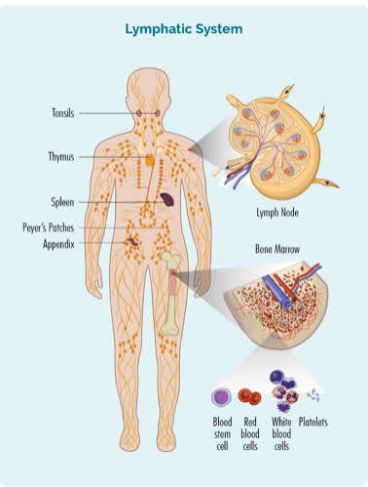
It usually develops from B cells in the thymic region of the mediastinum. The disease is more commonly diagnosed in young adults and occurs more frequently in women than men.
PMBCL often forms a large mass in the chest. It may affect nearby lymph nodes and structures, including the lungs, heart lining, and major blood vessels.
In some cases, the disease can spread to areas outside the chest. However, many patients are diagnosed while the lymphoma is still mainly located in the mediastinum.
Common Symptoms of PMBCL
Symptoms often develop because the growing tumor puts pressure on nearby organs. Some people notice changes over a few weeks, while others may experience symptoms more gradually.
Common warning signs include:
-
Persistent cough: Pressure on the airways can cause an ongoing cough.
-
Chest pain or pressure: A large tumor may create discomfort in the middle of the chest.
-
Shortness of breath: Pressure on the lungs or windpipe can make breathing difficult.
-
Facial and neck swelling: The tumor may compress the superior vena cava, a large vein that carries blood from the upper body to the heart.
-
Swelling in the arms: Restricted blood flow can cause swelling in the upper limbs.
-
Hoarseness: Pressure on nearby nerves may affect the voice.
-
Unexplained fever: Some patients experience fever without an obvious infection.
-
Night sweats: Heavy sweating during sleep may occur.
-
Unintentional weight loss: Losing weight without changing diet or activity can be a warning sign.
Severe facial swelling, difficulty breathing, or sudden worsening of chest symptoms requires urgent medical attention.
What Causes Primary Mediastinal Large B-Cell Lymphoma?
The exact cause of PMBCL is not fully understood. It develops when genetic changes affect normal B lymphocytes, causing them to grow and multiply without proper control.
Researchers have identified changes in certain genes and signaling pathways involved in cell growth and immune regulation. These changes may help lymphoma cells survive and avoid normal immune responses.
PMBCL is not generally linked to a specific lifestyle habit. Most people diagnosed with this condition do not have a clearly identified risk factor.
How Is PMBCL Diagnosed?
Doctors use imaging tests, tissue examination, and laboratory investigations to confirm the diagnosis and determine the extent of the disease.
Physical Examination
The doctor reviews symptoms, medical history, and any visible swelling around the face, neck, or arms. The examination may also include checking lymph nodes and breathing.
Imaging Tests
A CT scan of the chest can identify the tumor and show whether it is pressing against nearby organs.
A PET-CT scan is commonly used to assess lymphoma activity and check whether other areas of the body are affected. These scans also help doctors evaluate treatment response.
Biopsy
A biopsy is essential for confirming PMBCL. Doctors collect a tissue sample from the tumor, often using a needle or a surgical procedure.
A pathologist examines the sample to identify abnormal B cells and distinguish PMBCL from other types of lymphoma.
Blood Tests
Blood tests help doctors assess general health, blood cell levels, kidney and liver function, and other factors that may affect treatment planning.
Additional tests may be recommended depending on the patient's condition.
Treatment Options for Primary Mediastinal Large B-Cell Lymphoma
PMBCL can grow quickly, but it often responds well to modern lymphoma treatments. The treatment plan depends on the patient's age, general health, disease stage, and test results.
Immunochemotherapy
A combination of chemotherapy and immunotherapy is commonly used as initial treatment.
One treatment approach is dose-adjusted EPOCH-R. It combines several chemotherapy medicines with rituximab, an antibody that targets a protein called CD20 on many B cells.
Another option may involve R-CHOP, depending on the clinical situation and the treating team's recommendation.
These treatments aim to destroy lymphoma cells and reduce the tumor.
Radiation Therapy
Radiation therapy uses high-energy rays to damage cancer cells. It was commonly used after chemotherapy in the past.
However, many patients now receive treatment approaches designed to reduce the need for routine chest radiation. Doctors may use PET-CT results and other clinical information to decide whether radiation is necessary.
Stem Cell Transplant
Stem cell transplantation is not routinely needed as the first treatment for most patients with newly diagnosed PMBCL.
It may be considered in selected cases when the lymphoma returns or does not respond to initial treatment. The decision depends on previous treatments, disease behavior, and the patient's overall health.
CAR T-Cell Therapy
CAR T-cell therapy is an advanced treatment that modifies a patient's own immune cells to recognize and attack cancer cells.
It may be an option for certain patients with relapsed or treatment-resistant large B-cell lymphomas, including selected cases of PMBCL.
Clinical Trials
Researchers continue to study new medicines and treatment combinations for PMBCL. Eligible patients may discuss clinical trials with their oncology team, particularly if standard treatments have not worked.
Recovery and Follow-Up Care
After treatment, doctors use follow-up appointments and imaging tests to monitor the patient's response and check for signs of recurrence.
Recovery can vary. Some people experience tiredness, infections, or other side effects during and after treatment. Medical teams may recommend medicines, nutrition guidance, and other care to manage these effects.
Patients should report new or worsening symptoms and attend scheduled follow-up visits.
FAQs
Is primary mediastinal large B-cell lymphoma curable?
Yes. Many patients respond well to treatment and achieve long-term remission. The outcome depends on disease characteristics, treatment response, and individual health factors.
Who is most likely to develop PMBCL?
It is most commonly diagnosed in young adults and occurs more frequently in women. However, people outside this age group can also develop it.
Is PMBCL an aggressive cancer?
Yes. It is considered an aggressive lymphoma because it can grow quickly. However, it is often responsive to modern immunochemotherapy.
Can PMBCL spread to other parts of the body?
Yes. Although it usually begins in the mediastinum, it can spread to other lymph nodes and organs. Doctors use imaging and other tests to determine its extent.
Does every patient with PMBCL need radiation therapy?
No. Radiation is not automatically required for every patient. Doctors consider treatment response, PET-CT findings, and potential long-term side effects before recommending it.
Conclusion
Primary mediastinal large B-cell lymphoma is a rare but treatable type of non-Hodgkin lymphoma that develops in the central chest area. Common symptoms include coughing, chest discomfort, breathing difficulties, and swelling in the face or arms. Imaging scans and a tissue biopsy help doctors confirm the diagnosis. Treatment often involves immunochemotherapy, while radiation, CAR T-cell therapy, and stem cell transplantation may be considered in selected situations. Early diagnosis, appropriate treatment, and regular follow-up can play an important role in managing this condition.