What Happens to the Body During Cancer Treatment?
A cancer diagnosis can bring many questions, especially about what happens to the body during treatment. Cancer treatment is designed to destroy cancer cells, stop them from growing, or prevent them from spreading. However, some treatments can also affect healthy cells, which may cause side effects.
The effects of treatment are different for everyone. They depend on the type of cancer, the treatment being used, the dose, the person's overall health, and how their body responds. Understanding these changes can help patients and families know what to expect during the treatment journey.
How Does Cancer Treatment Affect the Body?
Cancer treatments work in different ways. Common treatments include chemotherapy, radiation therapy, surgery, immunotherapy, targeted therapy, and hormone therapy.
Some treatments directly destroy cancer cells, while others help the immune system recognize cancer or block signals that cancer cells need to grow.
Because healthy cells can sometimes be affected, patients may experience temporary or ongoing changes during treatment.
What Happens During Chemotherapy?
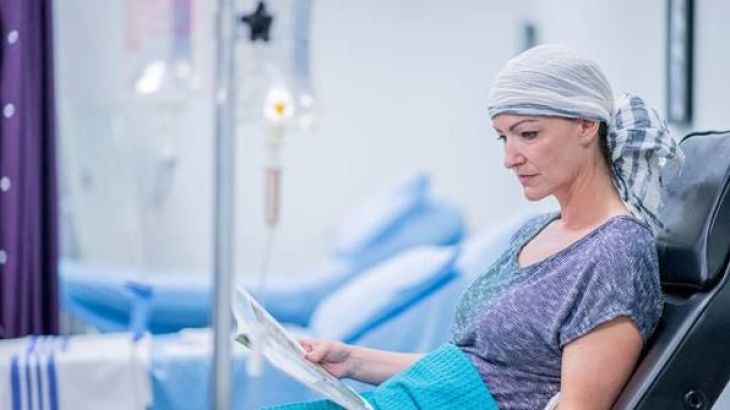
Chemotherapy uses medicines to destroy cancer cells or slow their growth. Because these medicines can also affect some healthy cells that divide quickly, side effects may occur.
Common side effects include:
-
Tiredness
-
Nausea and vomiting
-
Hair loss
-
Changes in appetite
-
Mouth sores
-
Diarrhea or constipation
-
Increased risk of infections
Not everyone experiences the same side effects. Some people have only mild symptoms, while others may experience more significant changes.
How Does Radiation Therapy Affect the Body?
Radiation therapy uses high-energy radiation to damage cancer cells in a specific area of the body.
Because radiation is usually focused on the area being treated, side effects often depend on where the cancer is located.
For example, radiation involving the chest may cause skin changes or tiredness, while treatment involving the abdomen may affect digestion.
Skin in the treatment area may become red, dry, irritated, or sensitive. Fatigue is also common during radiation treatment.
What Happens After Surgery?
Surgery may be used to remove a tumor or cancerous tissue. The body's response depends on the type and extent of the operation.
After surgery, patients may experience pain, swelling, tiredness, or temporary changes in movement or daily activities. The body needs time and energy to heal.
Following the healthcare team's instructions about wound care, activity, nutrition, and follow-up appointments can support recovery.
How Does Immunotherapy Affect the Body?
Immunotherapy helps the immune system recognize and attack cancer cells. Unlike chemotherapy, it does not directly work by killing cancer cells in the same way.
Because immunotherapy activates the immune system, it can sometimes cause the immune system to attack healthy tissues.
Possible side effects include tiredness, skin changes, fever, diarrhea, or inflammation affecting organs such as the lungs, liver, or thyroid.
Patients receiving immunotherapy should report new or unusual symptoms to their healthcare team.
What Is Targeted Therapy?
Targeted therapy focuses on specific changes or proteins that help cancer cells grow and survive. It is designed to affect cancer cells more precisely than some traditional treatments.
However, targeted therapy can still cause side effects. These may include skin problems, diarrhea, tiredness, high blood pressure, or changes in liver function, depending on the medicine being used.
Why Does Cancer Treatment Cause Fatigue?
Fatigue is one of the most common effects of cancer and its treatment. It may feel different from ordinary tiredness and may not disappear completely after sleeping.
Cancer itself can cause fatigue, while treatments can add to it. Emotional stress, poor nutrition, anemia, pain, and lack of sleep may also contribute.
Patients should tell their healthcare team if fatigue makes everyday activities difficult. Managing the underlying causes and balancing activity with rest can help.
How Can Treatment Affect Appetite and Nutrition?
Cancer and its treatment can change appetite, taste, smell, or digestion. Some patients may feel less hungry, while others may have difficulty eating because of nausea or mouth sores.
Getting enough nutrients and fluids is important during treatment because the body needs energy to heal and maintain strength.
A healthcare provider or dietitian can recommend suitable foods and strategies based on individual needs.
Can Cancer Treatment Affect Emotions?
Cancer treatment can affect emotional well-being as well as physical health. Fear, anxiety, sadness, frustration, and uncertainty are common feelings.
Some people find it helpful to talk with family members, friends, counselors, or members of their healthcare team. Emotional support is an important part of cancer care.
What Happens After Treatment?
Recovery does not always end when the final treatment session is completed. Some side effects disappear shortly after treatment, while others may take longer to improve.
Certain treatments can cause late effects that appear months or years later. Follow-up appointments help healthcare professionals monitor recovery, manage ongoing symptoms, and check for signs of cancer returning.
FAQs
Does everyone experience cancer treatment side effects?
No. Side effects vary from person to person and depend on the type of cancer, treatment, dose, and individual health.
Why does chemotherapy cause hair loss?
Some chemotherapy medicines affect healthy cells in hair follicles because these cells divide quickly. Not all chemotherapy treatments cause hair loss.
Is fatigue normal during cancer treatment?
Yes. Fatigue is common during cancer and its treatment. However, severe or worsening fatigue should be discussed with the healthcare team.
Can cancer treatment affect appetite?
Yes. Treatment can cause nausea, taste changes, mouth sores, or other problems that make eating difficult. Medical professionals can provide strategies to support nutrition.
Conclusion
Cancer treatment can affect the body in many different ways. Chemotherapy, radiation therapy, surgery, immunotherapy, and targeted therapy can cause side effects because treatment may affect healthy tissues as well as cancer cells.
Fatigue, appetite changes, nausea, skin changes, pain, and emotional stress are among the possible effects, but every person's experience is different. Many side effects can be managed with proper medical care and supportive treatment.