How Cancer Is Diagnosed: From Tests to Biopsy
Being told that you may have cancer can be frightening and confusing. Many people immediately wonder what happens next. Cancer diagnosis is not based on one test alone. Doctors usually use a combination of medical history, physical examinations, imaging tests, blood tests, and sometimes a biopsy to determine whether cancer is present.
Understanding the diagnostic process can make it feel less overwhelming. It can also help patients know why different tests may be recommended and what each one is designed to find.
Why Are Cancer Tests Needed?
Cancer can cause different symptoms depending on where it develops. Some common warning signs include an unexplained lump, unusual bleeding, persistent pain, unexplained weight loss, long-lasting cough, changes in bowel or bladder habits, or unusual fatigue.
However, these symptoms do not always mean cancer. Many can be caused by other health conditions.
Doctors use diagnostic tests to find the cause of symptoms and determine whether abnormal cells are present. The tests selected depend on the symptoms, suspected cancer type, and the person's health history.
What Happens During the First Medical Visit?
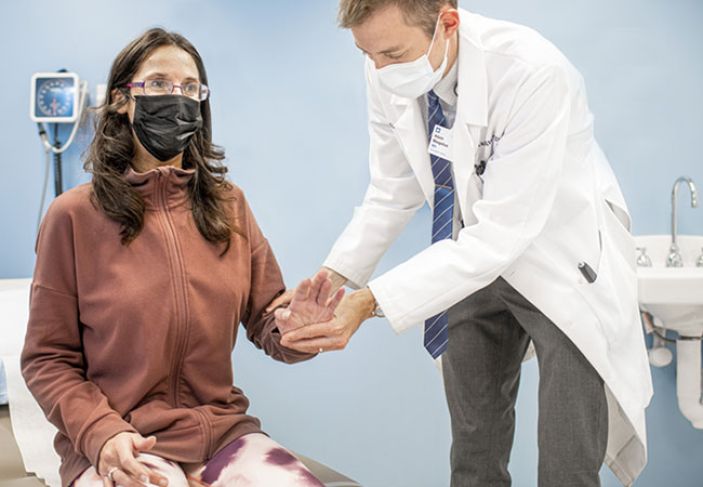
The diagnostic process often begins with a conversation between you and your healthcare provider.
The doctor may ask about your symptoms, when they started, whether they have changed, and whether you have any relevant personal or family health history.
A physical examination may also be performed. Depending on the symptoms, the doctor may feel for unusual lumps, examine the skin, check the abdomen, or look for other physical changes.
If cancer is suspected, additional tests may be recommended.
How Do Imaging Tests Help Diagnose Cancer?
Imaging tests allow doctors to look inside the body without surgery. They can help identify unusual growths, tumors, or changes in organs and tissues.
Common imaging tests include:
X-Rays
X-rays use radiation to create images of structures inside the body. They may be used to examine areas such as the chest and can sometimes reveal abnormal growths.
Ultrasound
Ultrasound uses sound waves to create images of internal organs and tissues. It can help doctors examine lumps or determine whether a growth is solid or filled with fluid.
CT Scans
A CT scan creates detailed cross-sectional images of the body. It can provide information about the size and location of an abnormal growth and whether nearby structures may be affected.
MRI Scans
MRI uses magnetic fields and radio waves to produce detailed images of soft tissues. It can be particularly useful for examining areas such as the brain, spinal cord, muscles, and certain organs.
Imaging can show that something abnormal is present, but it does not always prove that the growth is cancer.
What Role Do Blood Tests Play?
Blood tests can provide information about how the body is functioning. They may help doctors look for signs that could be associated with cancer or identify other possible causes of symptoms.
Some cancers can also produce substances known as tumor markers that may be detected in the blood. However, tumor markers are not always specific to cancer, and normal results do not necessarily rule cancer out.
For this reason, blood tests are generally used along with other diagnostic methods.
What Is a Biopsy?
A biopsy is one of the most important tests used to diagnose many types of cancer.
During a biopsy, a healthcare professional removes a small sample of tissue or cells from an area that looks abnormal. The sample is then examined in a laboratory, usually under a microscope.
A specialist called a pathologist studies the sample to determine whether cancer cells are present.
There are several types of biopsies. The method depends on where the suspected abnormality is located.
Some biopsies use a thin needle, while others may involve a slightly larger tissue sample or a surgical procedure.
Why Is a Biopsy Important?
Imaging tests can show a suspicious area, but a biopsy can provide information about the cells themselves.
A biopsy may help determine:
-
Whether cancer is present
-
What type of cancer it is
-
How abnormal the cells look
-
Certain characteristics of the cancer
-
Which treatments may be appropriate
In some situations, additional laboratory tests are performed on the biopsy sample to identify genetic or molecular features of the cancer.
What Happens After a Cancer Diagnosis?
If cancer is confirmed, doctors usually perform additional tests to learn more about the disease.
These tests may help determine the cancer's stage, which describes how large it is and whether it has spread to nearby lymph nodes or distant parts of the body.
Staging is important because it helps doctors develop an appropriate treatment plan.
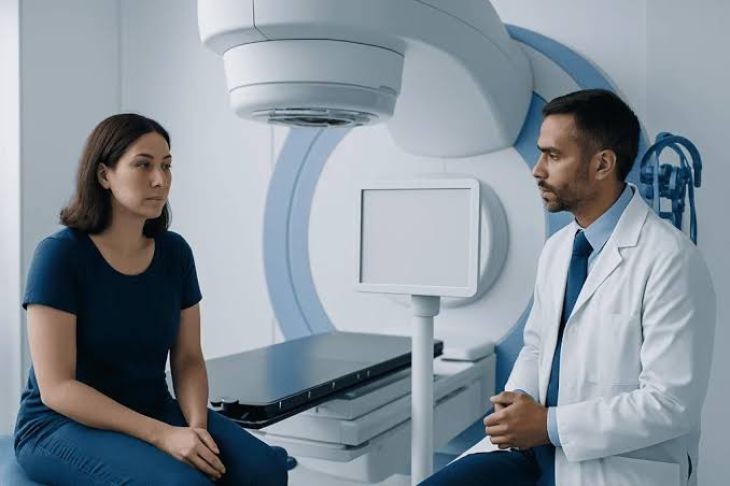
Treatment may include surgery, chemotherapy, radiation therapy, immunotherapy, targeted therapy, hormone therapy, or a combination of treatments, depending on the cancer.
FAQs
What is the most important test for diagnosing cancer?
A biopsy is often the key test for confirming many cancers because it allows doctors to examine cells or tissue directly.
Can a blood test detect cancer?
Some blood tests can provide clues or detect certain tumor markers, but blood tests alone usually cannot confirm most cancers.
Does an abnormal scan always mean cancer?
No. Abnormal findings can have many causes, including infections, inflammation, cysts, and noncancerous growths. Additional testing may be needed.
Is a biopsy painful?
The experience depends on the type and location of the biopsy. Local anesthesia or other methods may be used to reduce discomfort.
What happens after cancer is confirmed?
Doctors usually perform additional tests to determine the cancer's type and stage. This information helps the healthcare team choose the most appropriate treatment.
Conclusion
Cancer diagnosis is usually a step-by-step process rather than a single test. Doctors may begin with a medical history and physical examination, followed by imaging or blood tests when necessary. If an abnormal area is found, a biopsy may be performed to examine cells or tissue and determine whether cancer is present.