Radiation Therapy Used Cancer Treatment
A cancer diagnosis often comes with many questions about treatment. One common treatment is radiation therapy, which uses high-energy radiation to damage and destroy cancer cells. It can be used to treat cancer on its own or alongside other treatments such as surgery, chemotherapy, immunotherapy, or targeted therapy.
Radiation therapy has been used for many years and continues to improve as technology becomes more precise. Modern techniques can help doctors target cancer while reducing exposure to nearby healthy tissue.
What Is Radiation Therapy?
Radiation therapy uses high-energy waves or particles to damage the DNA of cancer cells. When cancer cells are damaged enough, they can no longer grow and divide properly, and they eventually die.
Radiation therapy is usually directed at a specific area of the body. This makes it different from treatments such as chemotherapy, which can travel throughout the body.
The type of radiation treatment depends on the cancer's location, size, type, and stage.
Why Is Radiation Therapy Used?
Radiation therapy can have several purposes during cancer treatment.
To Destroy Cancer Cells
For some cancers, radiation may be the main treatment. The goal is to destroy the cancer while protecting nearby healthy tissue as much as possible.
To Shrink a Tumor Before Surgery
Radiation may sometimes be given before surgery to reduce the size of a tumor. This can make the tumor easier to remove.
To Destroy Remaining Cancer Cells
Radiation may also be used after surgery to destroy cancer cells that could remain in the treatment area.
To Relieve Cancer Symptoms
Radiation can sometimes be used when cancer has spread or cannot be completely removed. In these situations, it may help reduce symptoms such as pain, bleeding, or pressure caused by a tumor.
What Are the Main Types of Radiation Therapy?
Radiation therapy can be delivered in different ways.
External Beam Radiation Therapy
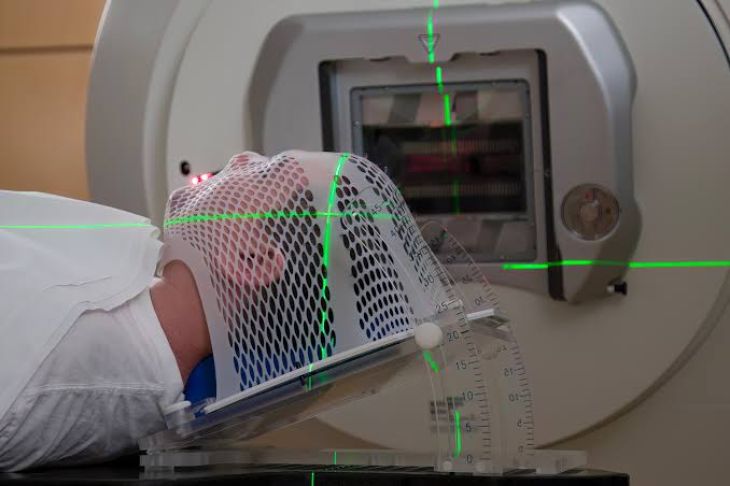
External beam radiation therapy uses a machine outside the body to send radiation toward the tumor.
Before treatment begins, doctors use imaging and planning techniques to determine the exact area that needs to be treated. The patient usually lies in a specific position while the machine delivers the radiation.
Treatment is generally painless, although side effects can develop over time.
Internal Radiation Therapy
Internal radiation therapy places a radioactive source inside or near the cancer.
This type of treatment is sometimes called brachytherapy. It allows doctors to deliver radiation directly to or close to the tumor.
The radioactive material may be placed temporarily or, in some cases, remain in the body for a longer period depending on the treatment plan.
What Happens During Radiation Treatment?
Before treatment starts, the healthcare team creates an individualized treatment plan.
Imaging scans may be used to locate the tumor and identify nearby organs that need protection. The treatment team may also create marks or other positioning methods to help ensure the radiation reaches the intended area accurately.
During external radiation therapy, the patient typically lies still while the machine delivers the planned dose. The treatment itself usually does not hurt.
Radiation therapy is often given in multiple sessions rather than all at once. The schedule depends on the type of cancer and the treatment goal.
What Are the Side Effects of Radiation Therapy?
Radiation affects the area being treated, so side effects often depend on where the radiation is directed.
Common side effects can include:
-
Tiredness
-
Skin irritation
-
Redness or dryness of the treated skin
-
Changes in appetite
-
Hair loss in the treatment area
-
Nausea
-
Mouth or throat problems when those areas are treated
Not everyone experiences the same side effects. Some people have mild symptoms, while others may experience more significant effects.
Your healthcare team can recommend ways to manage side effects during treatment.
Can Radiation Therapy Affect Healthy Cells?
Yes. Radiation therapy can affect healthy cells near the treatment area. However, healthy cells are generally better able to recover from radiation damage than cancer cells.
Modern radiation techniques are designed to deliver radiation as precisely as possible. Doctors carefully plan treatment to balance destroying cancer cells with protecting nearby healthy tissues.
The risk of side effects depends on factors such as the treatment area, radiation dose, treatment schedule, and individual health.
Is Radiation Therapy Safe?
Radiation therapy is carefully planned and monitored by a specialized healthcare team. The benefits and potential risks are considered before treatment begins.
Some people worry that radiation will make them radioactive. In most cases, patients receiving external beam radiation are not radioactive after treatment.
For certain forms of internal radiation therapy, temporary safety precautions may be necessary. The healthcare team explains these precautions clearly when they apply.
FAQs
Does radiation therapy hurt?
The radiation treatment itself is usually painless. However, side effects may develop depending on the area being treated.
Does radiation therapy cause hair loss?
It can cause hair loss in the area receiving radiation. The amount and duration of hair loss depend on the treatment.
How long does radiation therapy take?
The treatment schedule varies. Some people receive radiation over several sessions, while others may have a shorter or longer treatment plan.
Can radiation therapy cure cancer?
Yes, radiation therapy can cure some cancers. In other cases, it is used to control cancer, reduce the risk of recurrence, or relieve symptoms.
Are patients radioactive after radiation therapy?
People receiving external beam radiation are generally not radioactive after treatment. Some types of internal radiation may require temporary safety precautions, which the healthcare team will explain.
Conclusion
Radiation therapy is an important cancer treatment that uses high-energy radiation to damage and destroy cancer cells. It can be used before or after surgery, alongside other cancer treatments, or to relieve symptoms caused by advanced cancer.
Treatment is carefully planned to target cancer while limiting exposure to healthy tissues. Although radiation can cause side effects, many can be managed with appropriate medical care.