What Are the Types, Signs, and Risk Factors of Skin Cancer?
Skin is the body's largest organ and helps protect us from sunlight, infections, and injuries. However, skin cells can sometimes grow abnormally and develop into skin cancer. It is one of the most common types of cancer, and it can affect people of all skin tones.
What Is Skin Cancer?
Skin cancer develops when abnormal skin cells begin growing in an uncontrolled way. It can develop on areas that receive a lot of sunlight, such as the face, neck, ears, arms, and hands. However, it can also occur on parts of the body that receive little or no sun exposure.
Most skin cancers are caused by damage to skin cells, often from ultraviolet (UV) radiation from the sun or tanning beds.
What Are the Main Types of Skin Cancer?
Basal Cell Carcinoma
Basal cell carcinoma is the most common type of skin cancer. It usually grows slowly and is less likely than some other skin cancers to spread to distant parts of the body.
It can appear as a shiny or pearly bump, a sore that does not heal, or a patch of skin that repeatedly bleeds or forms a crust.
Although it rarely spreads, untreated basal cell carcinoma can damage nearby tissues.
Squamous Cell Carcinoma
Squamous cell carcinoma develops from squamous cells in the outer layer of the skin.
It may appear as a rough, scaly patch, a firm bump, or a sore that does not heal. Some growths may bleed or become crusted.
Squamous cell carcinoma can sometimes spread to other parts of the body, particularly when it is not detected and treated early.
Melanoma
Melanoma develops from melanocytes, the cells responsible for producing skin pigment.
It is less common than basal cell and squamous cell carcinoma but can be more aggressive. Melanoma can spread to other parts of the body if it is not detected and treated early.
It may develop in an existing mole or appear as a new unusual-looking spot.
What Are the Warning Signs of Skin Cancer?
Skin cancer can look different from one person to another. One important warning sign is a new or changing spot on the skin.
Look for changes in:
-
Size
-
Shape
-
Color
-
Texture
-
Border
-
Appearance
A sore that does not heal, repeatedly bleeds, becomes crusty, or continues to change should also be checked.
What Is the ABCDE Rule for Melanoma?
The ABCDE rule can help people recognize potentially concerning changes in moles.
A — Asymmetry
One half of the spot does not look like the other half.
B — Border
The edges may be uneven, irregular, blurred, or poorly defined.
C — Color
A concerning spot may contain different colors or uneven shades.
D — Diameter
Larger spots may deserve closer attention, although melanoma can be smaller as well.
E — Evolving
The spot changes in size, shape, color, or appearance over time, or it begins to itch, bleed, or behave differently.
The ABCDE rule is a helpful guide, but it cannot diagnose skin cancer. Any suspicious or changing skin lesion should be examined by a healthcare professional.
What Causes Skin Cancer?
The main environmental risk factor for many skin cancers is exposure to ultraviolet radiation.
UV radiation can damage the DNA in skin cells. Repeated exposure can increase the likelihood of abnormal cell growth.
Sources of UV exposure include:
-
Sunlight
-
Tanning beds
-
Tanning lamps
Sunburns, especially repeated or severe sunburns, can increase the risk of skin cancer.
Who Is at Higher Risk?
Anyone can develop skin cancer, but certain factors can increase the risk.
These include:
-
A history of significant sun exposure
-
Frequent sunburns
-
Use of tanning beds
-
Fair skin that burns easily
-
A large number of moles
-
Certain unusual-looking moles
-
A personal history of skin cancer
-
A family history of melanoma
-
A weakened immune system
-
Increasing age
People with darker skin can also develop skin cancer. It may sometimes appear in areas that receive less sun, including the palms, soles, or areas beneath the nails.
How Can You Reduce Your Risk?
You cannot eliminate every risk factor for skin cancer, but you can reduce exposure to UV radiation.
Helpful habits include:
-
Seek shade when sunlight is strongest.
-
Wear protective clothing when outdoors.
-
Use broad-spectrum sunscreen as directed.
-
Wear sunglasses and a wide-brimmed hat.
-
Avoid tanning beds.
-
Check your skin regularly for new or changing spots.
Sun protection is useful throughout life, not just during summer or vacations.
How Is Skin Cancer Diagnosed?
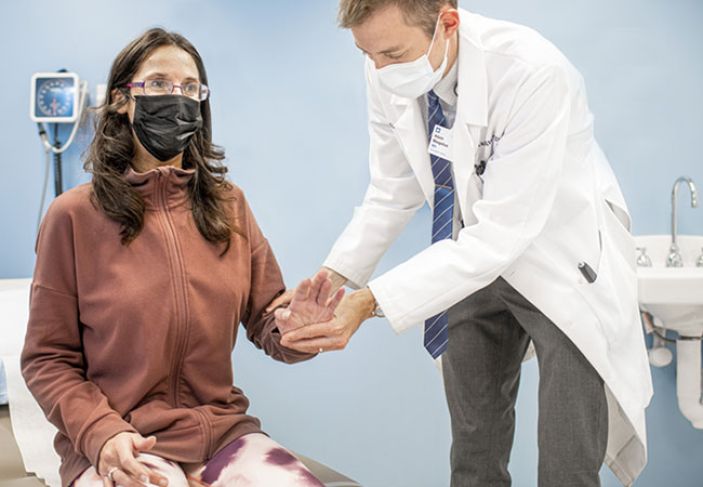
A healthcare professional may examine a suspicious area using a special magnifying device. If the area appears concerning, a skin biopsy may be recommended.
During a biopsy, part or all of the suspicious area is removed and examined in a laboratory. A specialist can then determine whether cancer cells are present and identify the type of skin cancer.
How Is Skin Cancer Treated?
Treatment depends on the type, size, location, and stage of the cancer.
Common treatments include:
-
Surgical removal
-
Cryotherapy for certain early lesions
-
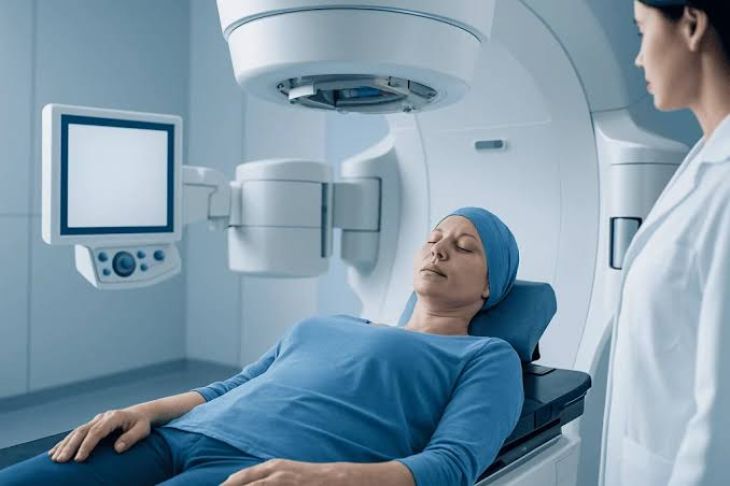
Radiation therapy
-
Prescription creams for some superficial cancers
-
Immunotherapy
-
Targeted therapy
FAQs
What is the most common type of skin cancer?
Basal cell carcinoma is the most common type of skin cancer.
What is the most dangerous type of skin cancer?
Melanoma can be particularly dangerous because it can spread to other parts of the body if it is not detected and treated early.
Can skin cancer occur on darker skin?
Yes. People with darker skin can develop skin cancer, including melanoma. It may sometimes occur in less sun-exposed areas such as the palms, soles, or beneath the nails.
Does every unusual mole mean skin cancer?
No. Many unusual-looking moles are harmless. However, a new or changing mole should be evaluated if it appears concerning.
Conclusion
Skin cancer develops when abnormal skin cells grow uncontrollably. The three major types are basal cell carcinoma, squamous cell carcinoma, and melanoma. While they can behave differently, early detection is important for all types.