What Are the Types, Signs, and Risk Factors of Skin Cancer?
Skin is the body's largest organ and helps protect us from sunlight, infections, and injuries. However, skin cells can sometimes grow abnormally and develop into skin cancer.

Skin is the body's largest organ and helps protect us from sunlight, infections, and injuries. However, skin cells can sometimes grow abnormally and develop into skin cancer.
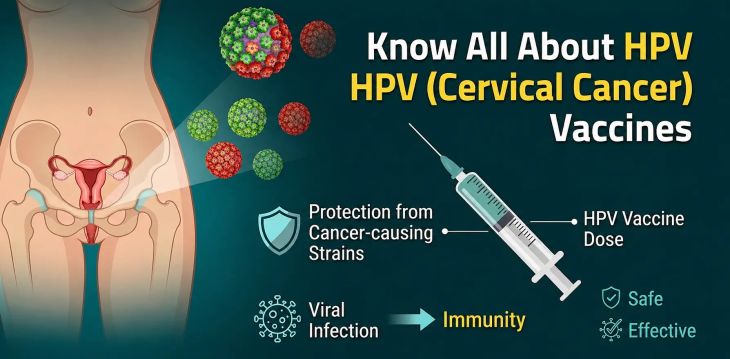
Human papillomavirus, commonly called HPV, is a very common viral infection. Most HPV infections go away on their own without causing serious health problems.
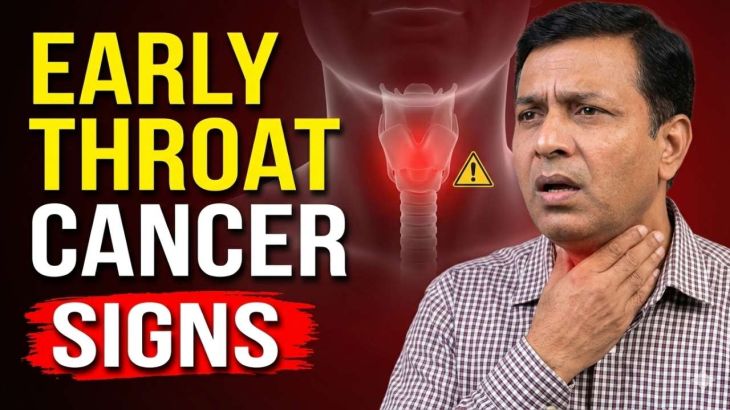
Finishing cancer treatment can bring relief, hope, and a sense of moving forward. However, many patients may still worry about whether cancer can return
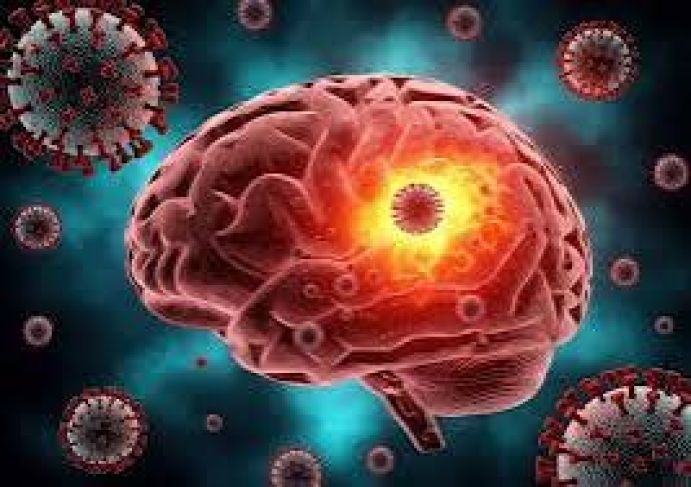
The human brain is one of the most heavily guarded and secure organs in the body, protected by the skull, the cerebrospinal fluid, and the highly selective blood-brain barrier. Despite these formidable defense mechanisms, pathogens—including bact
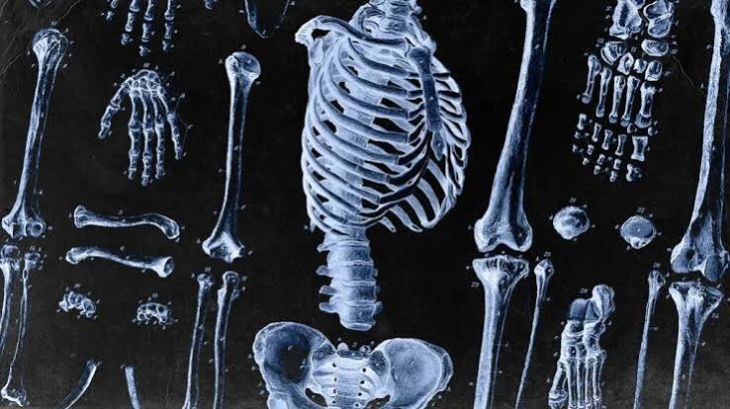
Bones give the body its shape, support movement, protect delicate organs, and provide a framework for muscles to work effectively. Although bones may seem solid and unchanging, they are living tissues that continuously undergo repair and renewal.

Consuming a nutritious weight loss program does not require complicated calculations or strict food rules. one of the simplest approaches to improve everyday food is to think about what goes onto the plate.
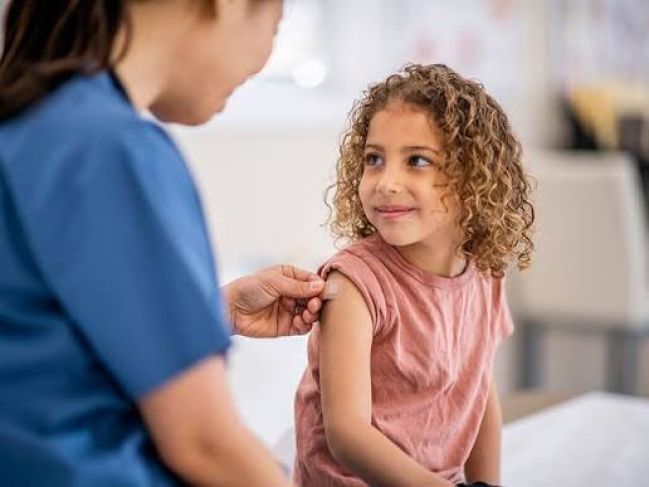
Vaccines are one of the most important tools in modern healthcare because they help the body prepare to fight certain infectious diseases before a person is exposed to them.
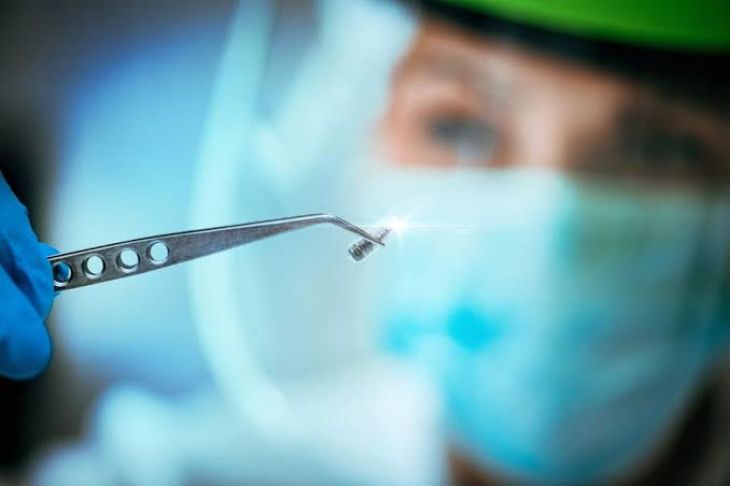
It involves creating and working with materials and structures at a very small scale, usually measured in nanometers.At this tiny level, materials can have special physical.
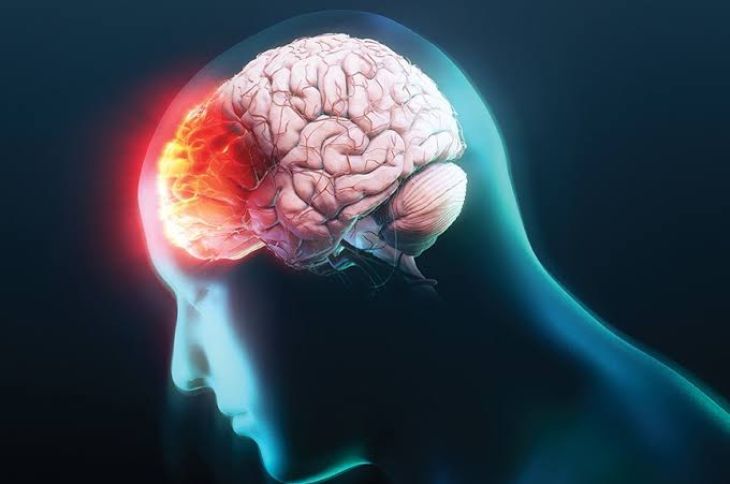
A concussion is clinically classified as a mild traumatic brain injury (mTBI), typically resulting from a direct blow to the head, a violent jolt to the body, or an acceleration-deceleration force—such as those experienced during contact sports.<