A Complete Guide to Why Vitamin B5 Is Important for Energy and Metabolism
Vitamin B5, also known as pantothenic acid, is an essential water-soluble vitamin that plays an important role in converting nutrients from food into usable energy. It is needed to make coenzyme A, a compound involved in many metabolic reactions throughout the body.
Vitamin B5 contributes to the metabolism of carbohydrates, fats, and proteins and is also involved in the production of certain fatty acids, cholesterol, and steroid hormones. Because these processes are essential for normal cell function, adequate pantothenic acid intake is an important part of a balanced diet.
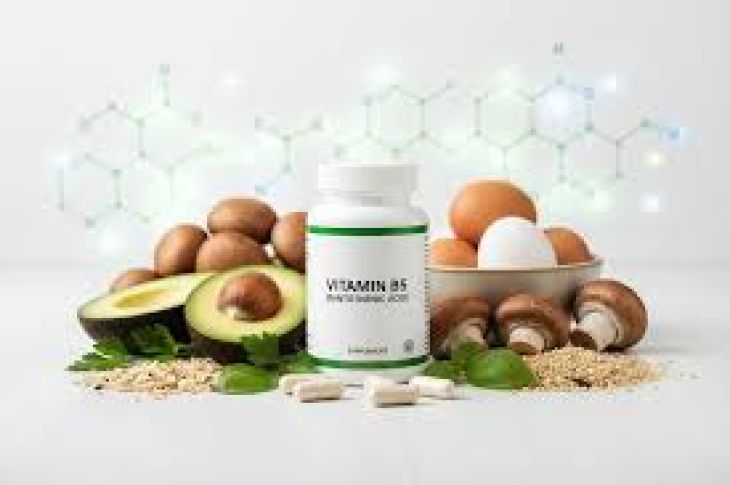
The good news is that vitamin B5 is found in a wide variety of foods. Meat, poultry, fish, eggs, dairy products, mushrooms, avocados, legumes, whole grains, and some vegetables can all contribute to dietary intake.
A varied diet generally provides enough vitamin B5 for healthy individuals. Understanding its role can help explain how this often-overlooked vitamin supports everyday metabolism and normal body function.
What Is Vitamin B5?
Vitamin B5 is one of the eight B vitamins. Its primary biological importance comes from its role in producing coenzyme A, which is required for numerous chemical reactions in the body.
Coenzyme A helps cells process nutrients and participate in the production and breakdown of fatty acids. It is also involved in the metabolism of carbohydrates and proteins.
Vitamin B5 is therefore closely connected with the way the body uses food. However, it does not provide energy or calories itself. Instead, it helps enzymes carry out reactions that allow nutrients to be processed.
The vitamin is widely distributed in foods, which is one reason deficiency is uncommon among people who eat a varied diet.
How Vitamin B5 Supports Energy Metabolism
Energy metabolism involves a complex series of chemical reactions that convert carbohydrates, fats, and proteins into forms cells can use.
Vitamin B5 is required for coenzyme A, which participates in several of these reactions. It helps the body process fatty acids and plays a role in pathways involved in energy production.
For example, coenzyme A is involved in the formation of acetyl-CoA, an important molecule used in cellular metabolism.
Adequate vitamin B5 therefore supports normal energy metabolism. However, consuming extra pantothenic acid does not necessarily increase energy levels in people who already get enough.
If you experience persistent fatigue, it is important to consider other possible causes such as inadequate sleep, stress, anemia, insufficient calorie intake, or an underlying medical condition.
Vitamin B5 and Fat Metabolism
One of the important functions of vitamin B5 is its involvement in fatty acid metabolism. Coenzyme A is required for the breakdown and synthesis of fatty acids.
Fatty acids have many roles in the body. They can be used as an energy source and are also components of cell membranes and other important molecules.
Pantothenic acid therefore contributes to the normal processing and use of dietary fats.
This does not mean that taking vitamin B5 supplements will automatically increase fat burning or cause weight loss. Normal metabolism depends on many nutrients, hormones, activity levels, and overall energy balance.
A balanced diet containing appropriate amounts of carbohydrates, protein, and healthy fats is a more practical approach to supporting normal metabolism.
Vitamin B5 and Hormone Production
Vitamin B5 is involved in the production of certain steroid hormones and other important compounds through its role in coenzyme A-dependent pathways.
It also contributes to the synthesis of cholesterol, which the body needs for several physiological functions. Cholesterol is a component of cell membranes and serves as a starting material for certain hormones and bile acids.
These functions demonstrate that vitamin B5 is involved in much more than energy production.
However, more vitamin B5 is not necessarily better. The body requires appropriate amounts of nutrients to maintain normal biochemical processes, and high-dose supplementation should not be used to manipulate hormone or cholesterol levels without professional guidance.
Best Food Sources of Vitamin B5
Pantothenic acid is present in many different foods, making it relatively easy to obtain through a varied diet.
Good sources include:
- Chicken and other poultry
- Beef and other meats
- Fish
- Eggs
- Milk and dairy products
- Mushrooms
- Avocados
- Potatoes
- Lentils and other legumes
- Whole grains
- Sunflower seeds
- Peanuts
Many foods contain smaller amounts of vitamin B5, so eating a diverse range of foods can help meet daily nutritional needs.
For plant-based diets, legumes, mushrooms, avocados, whole grains, seeds, and other plant foods can contribute pantothenic acid along with fibre and other nutrients.
Vitamin B5 Deficiency
Vitamin B5 deficiency is rare because pantothenic acid is widely available in foods. When severe deficiency does occur, it is generally associated with unusual circumstances or significant nutritional problems.
Possible symptoms can include fatigue, irritability, digestive problems, numbness, or a burning sensation in the hands and feet. However, these symptoms are not specific to vitamin B5 deficiency and can occur for many other reasons.
Because deficiency is uncommon, people should not assume that nonspecific symptoms mean they need a vitamin B5 supplement.
If persistent symptoms occur, a healthcare professional can help determine the underlying cause and whether nutritional testing or treatment is appropriate.
Should You Take a Vitamin B5 Supplement?
Most healthy people do not need a vitamin B5 supplement because a varied diet generally provides sufficient amounts.
Supplements may be appropriate in specific situations under professional guidance, but taking high doses simply to increase energy or metabolism is not generally necessary.
Whole foods also provide other vitamins, minerals, protein, fibre, and beneficial plant compounds that supplements cannot replace.
If you follow a highly restricted diet or have a medical condition that affects nutrient absorption, discuss your nutritional needs with a qualified healthcare professional.
Conclusion
Vitamin B5, or pantothenic acid, is essential for normal energy metabolism and plays a key role in the production of coenzyme A. It helps the body process carbohydrates, fats, and proteins and contributes to the synthesis of important cellular compounds and hormones.
Meat, fish, eggs, dairy products, mushrooms, avocados, legumes, whole grains, and seeds can all provide vitamin B5.
For most people, eating a varied and balanced diet is the simplest way to obtain adequate pantothenic acid and support healthy metabolism and overall well-being.