How AI-Powered Blood Tests Could Improve Early Disease Detection
Blood tests are already an important part of modern healthcare. They can provide information about blood cells, hormones, proteins, enzymes, nutrients, and other substances in the body. Now, researchers are exploring how artificial intelligence (AI) could make these tests even more useful.
AI-powered blood testing combines laboratory data with computer algorithms that can identify patterns that may be difficult to notice through traditional analysis. In the future, this approach could help doctors recognize signs of certain diseases earlier and decide which patients may need additional testing.
What Are AI-Powered Blood Tests?
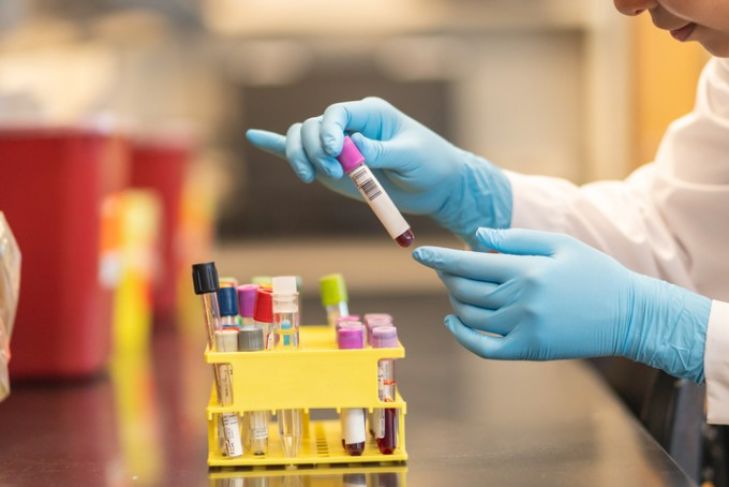
An AI-powered blood test is not necessarily a completely new type of blood test. In many cases, the blood sample is analyzed using existing laboratory techniques, while AI is used to study the resulting data.
Machine learning systems can examine large amounts of information and look for relationships between different biomarkers. Some systems may also combine blood test results with other information, such as age, medical history, imaging results, or genetic data.
The goal is to identify patterns that could indicate a possible health problem before obvious symptoms appear.
How Can AI Analyze Blood Test Results?
A blood sample can contain thousands of measurable signals. These may include proteins, metabolites, antibodies, hormones, blood cells, and other biological markers.
AI systems can process this information and compare it with patterns found in large datasets. Over time, an algorithm can learn which combinations of biomarkers are associated with particular diseases or health conditions.
For example, a single biomarker might not provide enough information to indicate a disease. However, a combination of several small changes could potentially create a pattern that an AI system recognizes.
This could give healthcare professionals another source of information when evaluating a patient's health.
Could AI Help Detect Diseases Earlier?
One of the biggest areas of interest is early disease detection. Some diseases can develop for a long time before noticeable symptoms appear. Detecting biological changes earlier could potentially give doctors more time to investigate and manage the condition.
Researchers are studying AI-assisted blood analysis for areas such as cancer, cardiovascular disease, neurological conditions, metabolic disorders, and infectious diseases.
However, an AI result should not automatically be considered a diagnosis. A positive result may need to be confirmed through additional laboratory tests, imaging, physical examinations, or other clinical assessments.
AI and Cancer Detection
Cancer is one area where AI-powered blood testing is receiving significant research attention.
Scientists are investigating blood-based biomarkers, including proteins, DNA fragments, RNA, and other molecules that may change when cancer develops. AI can potentially analyze combinations of these signals to identify patterns associated with different cancers.
Liquid biopsy research is another important area. Instead of relying only on tissue collected through surgery or biopsy, researchers can study tumor-related material that enters the bloodstream.
AI may help analyze the large amounts of information produced by these tests. This could eventually contribute to earlier cancer detection or help doctors monitor changes over time.
Potential Benefits of AI-Powered Blood Testing
AI-assisted blood analysis could offer several potential benefits.
Earlier Warning Signs
AI may identify subtle patterns before a disease produces obvious symptoms. This could encourage further medical evaluation at an earlier stage.
Faster Data Analysis
Modern laboratory testing can generate large datasets. AI can process large volumes of information quickly, potentially making it easier to identify important patterns.
More Personalized Healthcare
Different people can show different biological patterns. AI could potentially combine blood results with individual health information to provide a more personalized risk assessment.
Better Monitoring
Repeated blood tests could potentially be compared over time. AI systems may help identify changes that could otherwise be difficult to recognize.
What Are the Challenges?
AI-powered blood testing still has important limitations.
AI systems need high-quality data to work reliably. If the training data does not represent different populations properly, the results may not work equally well for everyone.
There is also a risk of false-positive or false-negative results. A system could identify a disease when it is not actually present, or fail to recognize a condition that is present.
Privacy is another concern because medical and genetic information is highly sensitive. Healthcare organizations need strong safeguards when collecting, storing, and analyzing this information.
Most importantly, AI should be considered a clinical tool rather than a replacement for qualified healthcare professionals.
What Could the Future Look Like?
As AI and laboratory medicine continue to develop, blood testing could become increasingly data-driven. Future systems may analyze multiple biomarkers simultaneously and combine them with other health information.
Researchers are also exploring ways to make testing faster, more affordable, and easier to use. If these technologies are successfully validated, they could become another tool doctors use to identify people who may need further medical evaluation.
The exact role of AI-powered blood tests will depend on scientific evidence, clinical validation, regulatory review, and how accurately these systems perform in real-world healthcare settings.
FAQs
Are AI-powered blood tests available today?
Some AI-assisted diagnostic technologies and research-based blood tests are already being developed or used in specific healthcare settings.
Can an AI blood test diagnose a disease?
An AI system may identify patterns associated with a disease, but its result does not necessarily establish a diagnosis. Doctors may need additional testing and clinical evaluation.
Can AI detect cancer from a blood sample?
Researchers are investigating whether AI can analyze blood-based biomarkers and identify patterns associated with cancer.
Will AI replace doctors in blood testing?
AI is more likely to serve as a decision-support tool. Doctors can combine AI-generated information with symptoms, medical history, examination findings, and other test results.
Why is early disease detection important?
Finding a disease earlier may give healthcare professionals more opportunities to investigate the condition and begin appropriate management when suitable.
Conclusion
AI-powered blood testing is an emerging area that could change how healthcare professionals analyze biological information. By examining complex combinations of biomarkers, AI may help identify patterns that could otherwise be difficult to detect.