What Are the Risk Factors, Symptoms, and Diagnosis of Gallbladder Cancer?
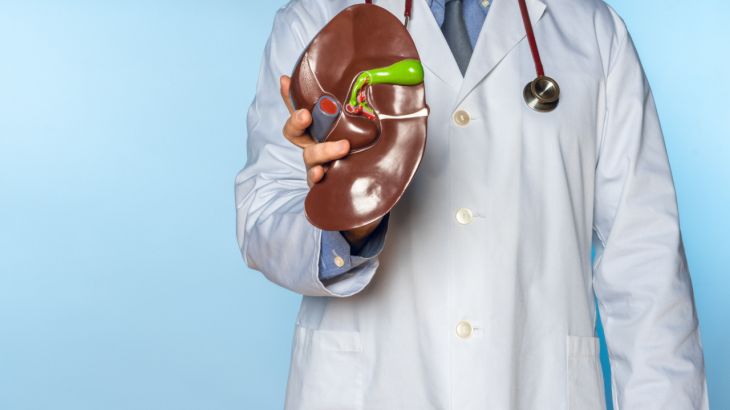
The gallbladder, a little organ beneath the liver, is where gallbladder cancer, an uncommon kind of cancer, starts. Bile is a digestive fluid that the liver produces and is stored in the gallbladder.
Early gallbladder cancer can occasionally be found after tests or surgery for another gallbladder issue because it may not exhibit any symptoms. Understanding its possible risk factors and warning signs can help people know when to discuss unusual symptoms with a healthcare professional.
What Is Gallbladder Cancer?
Gallbladder cancer develops when abnormal cells in the gallbladder begin growing uncontrollably. Most gallbladder cancers start in the cells lining the inside of the organ.
The liver and bile ducts are among the adjacent tissues where the cancer may spread as it develops. It may extend to other body areas in more severe cases.
The outlook can vary considerably depending on how early the cancer is discovered and whether it has spread.
What Are the Gallbladder Cancer Risk Factors?
A person does not necessarily have gallbladder cancer just because they have a risk factor. Some people may develop the disease without having any known risk factors.
Possible risk factors include:
Gallstones
Hardened deposits called gallstones form inside the gallbladder. Although the majority of gallstone patients do not have cancer, a history of gallstones is linked to an elevated risk of gallbladder cancer.
Long-Term Gallbladder Inflammation
Over time, aberrant cell alterations may become more likely if the gallbladder is chronically inflamed.
Gallbladder Polyps
Some gallbladder polyps may be associated with a higher risk of cancer, particularly larger polyps. Depending on their size and other characteristics, doctors may suggest therapy or monitoring.
Certain Bile Duct Conditions
Some conditions affecting the bile ducts can be associated with an increased risk of gallbladder or related cancers.
Age and Sex
Women are more likely than males to be diagnosed with gallbladder cancer, which is more common in older persons.
Family history and certain inherited conditions may also influence risk in some individuals.
What Symptoms Can Gallbladder Cancer Cause?
There may be few or no distinct symptoms in the early stages of gallbladder cancer. When symptoms appear, they can sometimes resemble those caused by gallstones or other digestive problems.
Possible symptoms include:
-
Pain in the upper right part of the abdomen
-
Abdominal discomfort or bloating
-
Nausea or vomiting
-
Loss of appetite
-
Unexplained weight loss
-
Fever
-
Yellowing of the skin or eyes
-
Dark-colored urine
-
Pale-colored stools
-
Persistent itching
These symptoms do not necessarily indicate cancer. Many can occur because of other, more common health conditions.
On the other hand, persistent or inexplicable symptoms ought to be reviewed with a medical expert.
How Is Gallbladder Cancer Diagnosed?
When gallbladder cancer is suspected, doctors may employ a number of techniques.
Medical History and Physical Examination
A physician may inquire about symptoms, medical history, gallbladder issues in the past, and other risk factors. There may also be a physical examination.
Ultrasound
An abdominal ultrasound can create images of the gallbladder and may help identify gallstones, thickening of the gallbladder wall, masses, or other abnormalities.
CT Scan
A CT scan can provide more detailed images of the gallbladder and surrounding organs. Additionally, it might assist medical professionals in determining whether a suspected malignancy has spread.
MRI and Other Imaging Tests
MRI scans and specialized imaging techniques can provide additional information about the gallbladder, bile ducts, liver, and nearby structures.
Biopsy
In some cancers, a biopsy involves removing a small tissue sample for examination under a microscope. However, when the gallbladder has been removed for another cause, gallbladder cancer may occasionally be identified without warning.
Doctors determine the appropriate diagnostic approach based on the individual situation.
Why Is Early Detection of Gallbladder Cancer Difficult?
One challenge is that early gallbladder cancer may not produce clear or unique symptoms. Some signs can look similar to those caused by gallstones, infections, or other digestive conditions.
Sometimes gallbladder cancer is discovered unintentionally during or following surgery for gallstones or another gallbladder issue.
This is one reason persistent symptoms and unusual findings on imaging should be properly evaluated.
Can Gallbladder Cancer Be Prevented?
Gallbladder cancer cannot be prevented with certainty. Some risk factors cannot be changed, including age and certain inherited conditions.
Maintaining a healthy lifestyle and seeking medical care for ongoing gallbladder symptoms can support overall health. People with known gallbladder conditions should follow their healthcare professional's recommendations for monitoring and treatment.
FAQs
Is gallbladder cancer common?
No. Gallbladder cancer is considered a rare cancer compared with many other types of cancer.
Can gallstones cause gallbladder cancer?
Although gallstones are linked to a higher risk of gallbladder cancer, this does not imply that a person will get the disease.
What is a gallbladder cancer early symptom?
Gallbladder cancer may not show any signs in its early stages. When symptoms occur, abdominal pain or discomfort may be among them, but these symptoms can have many other causes.
Can an ultrasound be used to identify gallbladder cancer?
An ultrasound can identify abnormalities in the gallbladder, such as masses, wall thickening, or gallstones. Additional tests may be needed when cancer is suspected.
Is jaundice a symptom of gallbladder cancer?
Yes, jaundice can occur, particularly when a tumor affects the bile ducts. However, jaundice has many possible causes and should be medically evaluated.
Conclusion
Because its symptoms might be modest or mimic those of other gallbladder disorders, gallbladder cancer is a rare disease that can be challenging to diagnose in its early stages. Gallstones, chronic inflammation, certain bile duct conditions, age, and other factors may increase the risk.
You shouldn't disregard persistent stomach symptoms, inexplicable weight loss, or yellowing of the skin and eyes. Doctors can use imaging tests and other evaluations to investigate concerning changes and determine the appropriate diagnosis.