Understanding Common Disorders of the Nasal Cavity and Sinuses
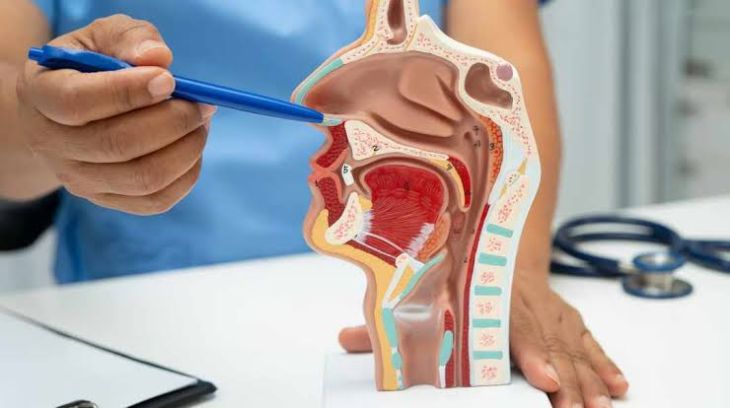
The upper respiratory tract houses an intricate architectural network comprising the nasal cavity and the paranasal sinuses, which work in unison to condition the air we breathe before it reaches the delicate tissues of the lungs. The nasal cavity is divided down the midline by the nasal septum and features mucosal-covered bony ridges known as turbinates that warm, humidify, and filter incoming airflow. Surrounding this central cavity are the paranasal sinuses—air-filled mucosal cavities located within the frontal, maxillary, ethmoid, and sphenoid bones that lighten the skull, enhance voice resonance, and produce protective mucus. This entire lining is coated by a specialized respiratory epithelium containing millions of microscopic beating cilia and mucus-secreting goblet cells, forming the mucociliary clearance escalator that traps and sweeps foreign particles, allergens, and pathogens toward the pharynx. However, when viral infections, chronic allergies, or structural abnormalities disrupt this delicate ecosystem, individuals face disruptive nasal and sinus disorders that cause chronic congestion, facial pain, and impaired breathing.
Allergic Rhinitis: Immune-Mediated Mucosal Inflammation
One of the most widespread conditions affecting the upper airway is allergic rhinitis, an immune-mediated inflammatory disorder triggered by the inhalation of environmental allergens such as pollens, dust mites, mold spores, and animal dander. When an allergic individual inhales these harmless proteins, their immune system mounts an inappropriate hypersensitivity response, producing allergen-specific immunoglobulin E antibodies that bind to mast cells residing within the nasal mucosa. Upon re-exposure to the triggering allergen, cross-linking of these antibodies prompts the mast cells to undergo rapid degranulation, releasing a flood of inflammatory mediators, including histamine, leukotrienes, and prostaglandins. This chemical surge causes acute vasodilation, increased vascular permeability, mucosal edema, and hypersecretion, resulting in the classic clinical symptoms of paroxysmal sneezing, profuse watery rhinorrhea, nasal itching, and severe nasal congestion that significantly impacts daily productivity and sleep quality.
Rhinosinusitis: Acute and Chronic Sinus Mucosal Pathology
Beyond allergic inflammation, the nasal and sinus passages are highly vulnerable to infectious and inflammatory processes collectively termed rhinosinusitis.
-
Acute Rhinosinusitis: Acute rhinosinusitis is frequently precipitated by an upper respiratory viral infection that causes localized mucosal swelling and blocks the narrow drainage ostia through which the paranasal sinuses empty into the nasal cavity. This ostial obstruction leads to mucus stasis within the closed sinus cavity, creating an optimal breeding ground for secondary bacterial colonization by pathogens such as Streptococcus pneumoniae or Haemophilus influenzae.
-
Chronic Rhinosinusitis: When mucosal inflammation persists for twelve weeks or longer despite medical management, it is classified as chronic rhinosinusitis. This long-standing condition is driven by a complex interplay of persistent microbial biofilms, immune dysregulation, and mucosal tissue remodeling, leading to thickened sinus linings, impaired ciliary motility, and ongoing entrapment of secretions within the facial bones.
Nasal Polyps: Benign Mucosal Outgrowths and Airway Obstruction
A frequent complication of chronic, severe mucosal inflammation within the nasal cavity and sinuses is the development of nasal polyps. Nasal polyps are non-cancerous, pale, gelatinous outgrowths of inflamed respiratory mucosa that typically originate within the ethmoid sinuses and protrude into the nasal passages. Unlike malignant tumors, polyps are characterized histologically by marked edema of the stromal matrix, a relative paucity of nerve fibers and blood vessels, and a heavy infiltration of inflammatory cells, particularly eosinophils. As these benign growths enlarge, they physically obstruct the nasal airways and block the sinus drainage pathways, causing severe bilateral nasal obstruction, profound loss of the sense of smell, and post-nasal drip. Patients with nasal polyps frequently experience exacerbations linked to aspirin-exacerbated respiratory disease or underlying conditions like cystic fibrosis, necessitating specialized medical and surgical interventions.
Structural Abnormalities: Deviated Septum and Turbinate Hypertrophy
In addition to inflammatory and infectious pathologies, structural anomalies within the nasal architecture frequently contribute to chronic nasal obstruction and sinus disease. A deviated nasal septum occurs when the cartilaginous and bony partition separating the left and right nasal cavities is displaced to one side, narrowing one nasal passage while enlarging the other. This anatomical deviation can be congenital or result from facial trauma, disrupting normal airflow dynamics and predisposing the narrowed side to mucosal drying, epistaxis, and chronic congestion. Furthermore, chronic inflammation often stimulates compensatory enlargement of the adjacent inferior nasal turbinates, a condition known as turbinate hypertrophy. When a deviated septum and hypertrophied turbinates coexist, they create a significant mechanical bottleneck that obstructs breathing and impairs the normal drainage of the paranasal sinuses, often requiring surgical correction.
Clinical Symptom Presentation and Diagnostic Evaluation
Disorders of the nasal cavity and sinuses present with a constellation of overlapping clinical symptoms that reflect mucosal swelling, obstruction, and inflammation.
-
Core Symptoms: Patients frequently report chronic nasal congestion, facial pressure or dull aching pain localized over the forehead and cheeks, reduced or absent sense of smell, and thick discolored nasal discharge.
-
Diagnostic Modalities: Evaluating these symptoms requires a comprehensive clinical examination. Physicians utilize anterior rhinoscopy and flexible nasal endoscopy to visualize the mucosal lining directly, assess turbinate size, inspect the nasal septum, and identify the presence of polyps or purulent drainage exiting the sinus ostia. When diagnosing chronic rhinosinusitis or planning surgical interventions, a high-resolution computed tomography scan of the paranasal sinuses serves as the gold standard, providing detailed anatomical maps of bony structures, mucosal thickening, and drainage pathways.
Medical and Surgical Management Strategies
Managing nasal and sinus disorders relies on a stepped approach tailored to the underlying etiology, utilizing medical therapies to reduce inflammation and surgical interventions to correct mechanical blockages.
-
Medical Management: Initial therapy for allergic and inflammatory conditions centers on intranasal corticosteroid sprays, which provide potent local anti-inflammatory effects to shrink mucosal swelling and reduce polyp size, alongside saline nasal irrigations to clear thick mucus and allergens. Antihistamines, leukotriene receptor antagonists, and short courses of oral antibiotics are employed when allergic triggers or acute bacterial infections complicate the clinical picture.
-
Surgical Interventions: When medical management fails to relieve chronic rhinosinusitis or nasal polyposis, functional endoscopic sinus surgery is performed. During this minimally invasive procedure, surgeons use tiny endoscopes and specialized instruments to remove diseased tissue, clear obstructing polyps, and surgically widen the natural drainage ostia of the sinuses, restoring normal ventilation and mucociliary clearance.
Conclusion
Nasal cavity and sinus disorders encompass a diverse range of conditions—including allergic rhinitis, acute and chronic rhinosinusitis, obstructive nasal polyps, and structural septal deviations—that heavily impact respiratory health and quality of life. By understanding how mucosal inflammation, impaired mucociliary clearance, and anatomical bottlenecks compromise the upper airway, healthcare providers can accurately diagnose underlying pathologies. Through targeted intranasal therapies, saline rinses, and precision functional endoscopic sinus surgery, clinicians can successfully alleviate chronic congestion, restore sinus drainage, and improve patient comfort.