
Angina: Causes, Symptoms, and Effective Management
Angina is a common heart condition that causes discomfort or pain in the chest due to a lack of enough blood reaching the heart muscle.

Angina is a common heart condition that causes discomfort or pain in the chest due to a lack of enough blood reaching the heart muscle.

Hypertension, also called high blood pressure, is a widespread health issue that affects millions of people around the world.
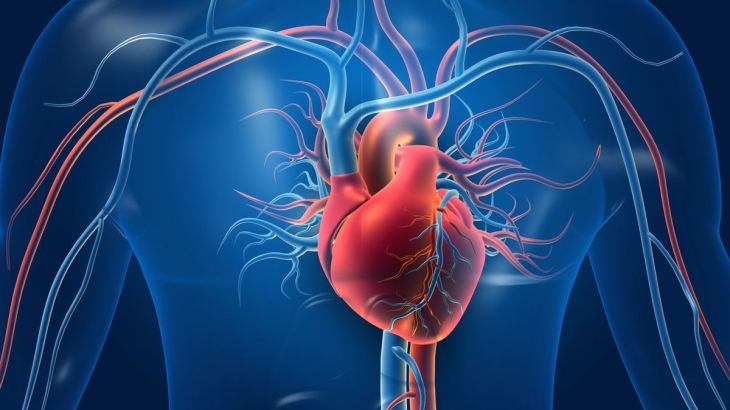
Coronary artery disease is one of the most common heart conditions affecting people all around the world.

Many people believe that a heart attack and a cardiac arrest are exactly the same condition. This misunderstanding is common because both involve the heart and can become life-threatening if immediate medical care is not provided.

When we picture a heart attack, our minds almost automatically conjure up a highly dramatic, cinematic scene. We imagine a person suddenly freezing, gripping their chest in agonizing pain, gasping for air, and collapsing to the ground.
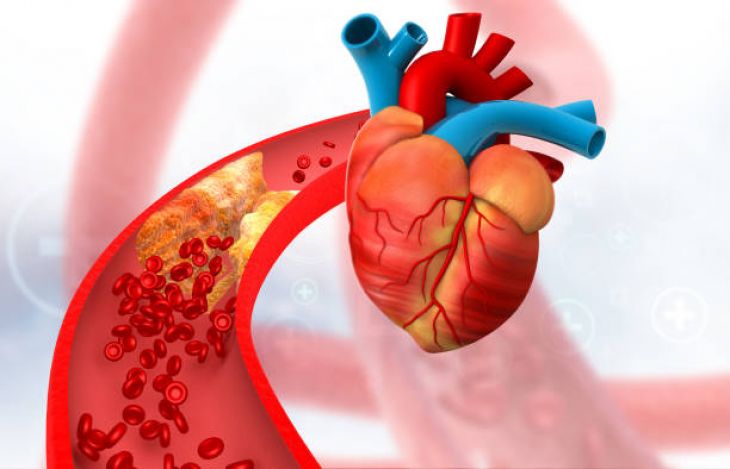
When we discuss the risk factors for a heart attack, the conversation almost instantly centers on lifestyle choices. We talk about the foods we eat, how often we exercise, whether we smoke, and how we manage daily stress.
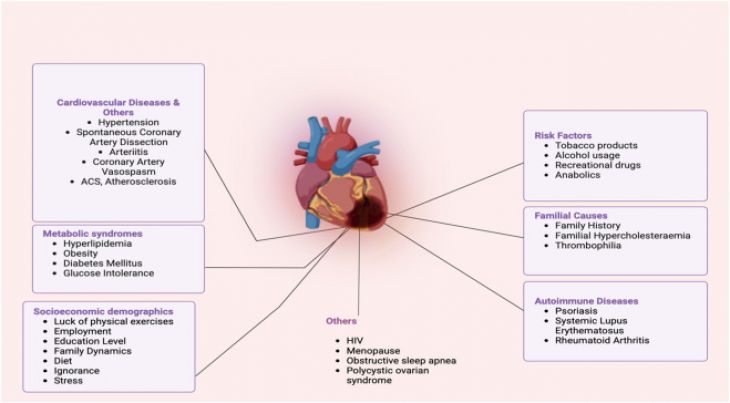
To the outside world, a heart attack—known clinically as a myocardial infarction—often appears as a sudden, unpredictable lightning bolt. A person is going about their day when, out of nowhere, they are gripped by a crushing chest pain.